
Contents
Overview
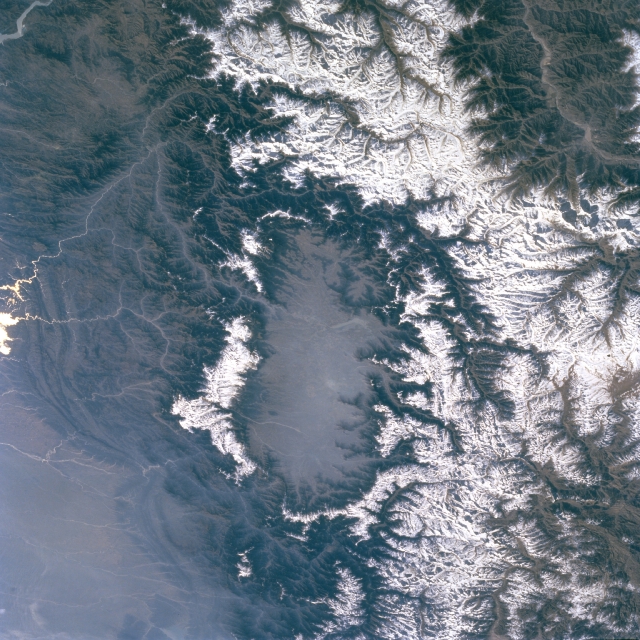
The origins of the Kashmir Valley's identity are etched in millennia of geological and human history. Geologically, it formed as a synclinal basin, a depression between the towering Pir Panjal and Greater Himalayan ranges, gradually filled with alluvial deposits and later carved by glacial and fluvial action. Human settlement dates back to prehistoric times, with archaeological evidence pointing to early Indus Valley connections. The valley became a significant seat of Hinduism under the Karkota Dynasty. The arrival of Islam in the 14th century, facilitated by Sufi saints like Syed Mir Sayyid Ali Hamadani, ushered in a new era, transforming its religious and cultural landscape. The valley subsequently fell under the sway of various empires, including the Mughals, who left an indelible mark with their exquisite gardens like Shalimar Bagh and Nishat Bagh, and later the Sikh Empire and the Dogra Dynasty under Maharaja Gulab Singh in 1846, marking the beginning of its integration into the princely state of Jammu and Kashmir under British suzerainty.
⚙️ Geography & Ecology
The Kashmir Valley is a masterpiece of natural engineering, a verdant basin cradled by some of the world's highest mountain ranges. Its defining feature is the Pir Panjal Range to the southwest, a formidable barrier that historically shielded it from the plains, and the Greater Himalayan Range to the northeast. The valley floor, at an average elevation of around 1,600 meters (5,200 feet), is remarkably fertile, thanks to the alluvial deposits left by ancient lakes and the life-giving waters of the Jhelum River, which originates in the Verinag spring and flows through the heart of the valley before entering Pakistan-administered Kashmir. This topography creates a unique microclimate: hot, dry summers and cold, snowy winters, with distinct spring and autumn seasons that paint the landscape in vibrant hues. The region is renowned for its biodiversity, supporting diverse flora and fauna, including the endangered Hangul (Kashmir Stag) and a rich variety of birdlife, particularly around the wetlands of Wular Lake and the iconic Dal Lake, which are crucial ecological zones and major tourist attractions.
📊 Key Facts & Numbers
The Kashmir Valley is a land of striking statistics and geographical superlatives. The Jhelum River, the valley's primary waterway, has a discharge rate that varies seasonally but is crucial for irrigation, supporting agriculture that covers an estimated 70% of the valley's population. Tourism, a significant economic driver, historically attracted over 1.5 million visitors annually before recent geopolitical shifts, contributing an estimated 8-10% to the regional GDP. The valley is home to over 7 million people, predominantly Kashmiris, with Srinagar serving as its summer capital and largest city, housing over 1.2 million residents. The region produces a significant portion of India's saffron, with an annual yield often exceeding 10,000 kg, and is a global hub for pashmina production, with an estimated 70% of the world's pashmina originating from here.
👥 Key People & Organizations
The narrative of the Kashmir Valley is inextricably linked to a constellation of influential figures and enduring organizations. Historically, rulers like Zain-ul-Abidin, often called the 'Good Sultan', championed arts, crafts, and interfaith harmony in the 15th century, leaving a legacy of enlightened governance. Later, Maharaja Hari Singh, the last ruler of the Dogra dynasty, played a pivotal role in the tumultuous events of 1947, acceding the state to India. In the realm of culture, poets like Mahjoor and Allama Muhammad Iqbal captured the valley's spirit in their verses. Contemporary figures, often operating within the complex political milieu, include political leaders from various factions within the Jammu and Kashmir National Conference and the Jammu and Kashmir People's Democratic Party, who have vied for influence. Organizations like the Jammu and Kashmir Liberation Front (JKLF) have historically advocated for independence, while various militant groups, often operating underground or from across the border, have been central to the ongoing conflict. The Indian Army and Pakistani Army maintain a significant presence, shaping the daily lives of residents.
🌍 Cultural Impact & Influence
The cultural resonance of the Kashmir Valley extends far beyond its geographical borders, influencing art, literature, and global perceptions of beauty and conflict. Its stunning landscapes have inspired countless artists, poets, and writers, from the Mughal Emperors who commissioned elaborate gardens to Western travelers and painters like Thomas Moore in his poem 'Lalla Rookh'. The valley's artisanal traditions, particularly the intricate embroidery on pashmina shawls and the delicate paper-mâché work, have achieved international acclaim, becoming symbols of Kashmiri craftsmanship. The unique Sufiana Kalam music, a classical tradition blending Persian and Indian influences, represents a distinct sonic heritage. However, the valley's cultural narrative is also deeply intertwined with its political struggles, often depicted in literature and film as a place of both ethereal beauty and profound human suffering, contributing to a complex global image that oscillates between romanticized paradise and a site of persistent geopolitical tension. The very name 'Kashmir' has become shorthand for a beautiful, contested land, a concept that resonates in global consciousness.
⚡ Current State & Latest Developments
The current state of the Kashmir Valley in 2024-2025 is characterized by a delicate equilibrium between enforced security and nascent economic initiatives, all under the shadow of ongoing political uncertainty. Following the revocation of Article 370 by the Indian government in August 2019, which ended the special status of Jammu and Kashmir, the region has seen increased administrative control and a significant military presence. While the government reports a decline in militant activities and stone-pelting incidents, human rights organizations continue to raise concerns about civil liberties and freedom of expression. Economically, there's a push towards integrating the valley more closely with the Indian economy, with efforts to boost tourism, horticulture, and handicrafts, though the lingering security situation and past disruptions continue to affect investment and growth. The political landscape remains largely subdued, with mainstream political parties operating under significant constraints, while separatist sentiments, though less overtly expressed, persist. The digital infrastructure has seen upgrades, with increased internet speeds, yet access remains subject to government oversight. The valley's future trajectory hinges on the complex interplay of security policies, economic development, and the unresolved political aspirations of its peop
Key Facts
- Category
- place
- Type
- topic