
Contents
- 🚨 What Exactly Is an Allergy?
- 🤧 Common Culprits: Your Everyday Triggers
- 🔬 How Your Body Gets It Wrong
- 📈 The Spectrum of Severity: From Annoyance to Emergency
- 🏥 When to Seek Professional Help
- 💊 Managing Your Allergies: A Practical Guide
- 🔬 The Science Behind the Sneeze: Diagnostic Tools
- 💡 Future Directions: Beyond Symptom Management
- Frequently Asked Questions
- Related Topics
Overview
Allergies are a widespread phenomenon, affecting an estimated 30-40% of the global population, where the immune system mistakenly identifies harmless substances as threats. These reactions range from mild nuisances like hay fever to life-threatening anaphylaxis, driven by a complex interplay of genetics and environmental factors. The economic burden is substantial, encompassing healthcare costs, lost productivity, and the booming allergy-product market. From the historical understanding of 'atopy' to the cutting-edge research in immunotherapy and precision medicine, allergy remains a dynamic field with significant implications for public health and individual well-being.
🚨 What Exactly Is an Allergy?
An allergy is essentially your immune system throwing a tantrum over something that poses no real danger. Think of it as your body's internal security system mistaking a friendly visitor for an intruder. This overreaction can manifest in a variety of conditions, from the mild annoyance of allergic rhinitis to the life-threatening emergency of severe allergic reaction. Understanding this fundamental misfire is the first step in navigating the complex world of allergic diseases.
🤧 Common Culprits: Your Everyday Triggers
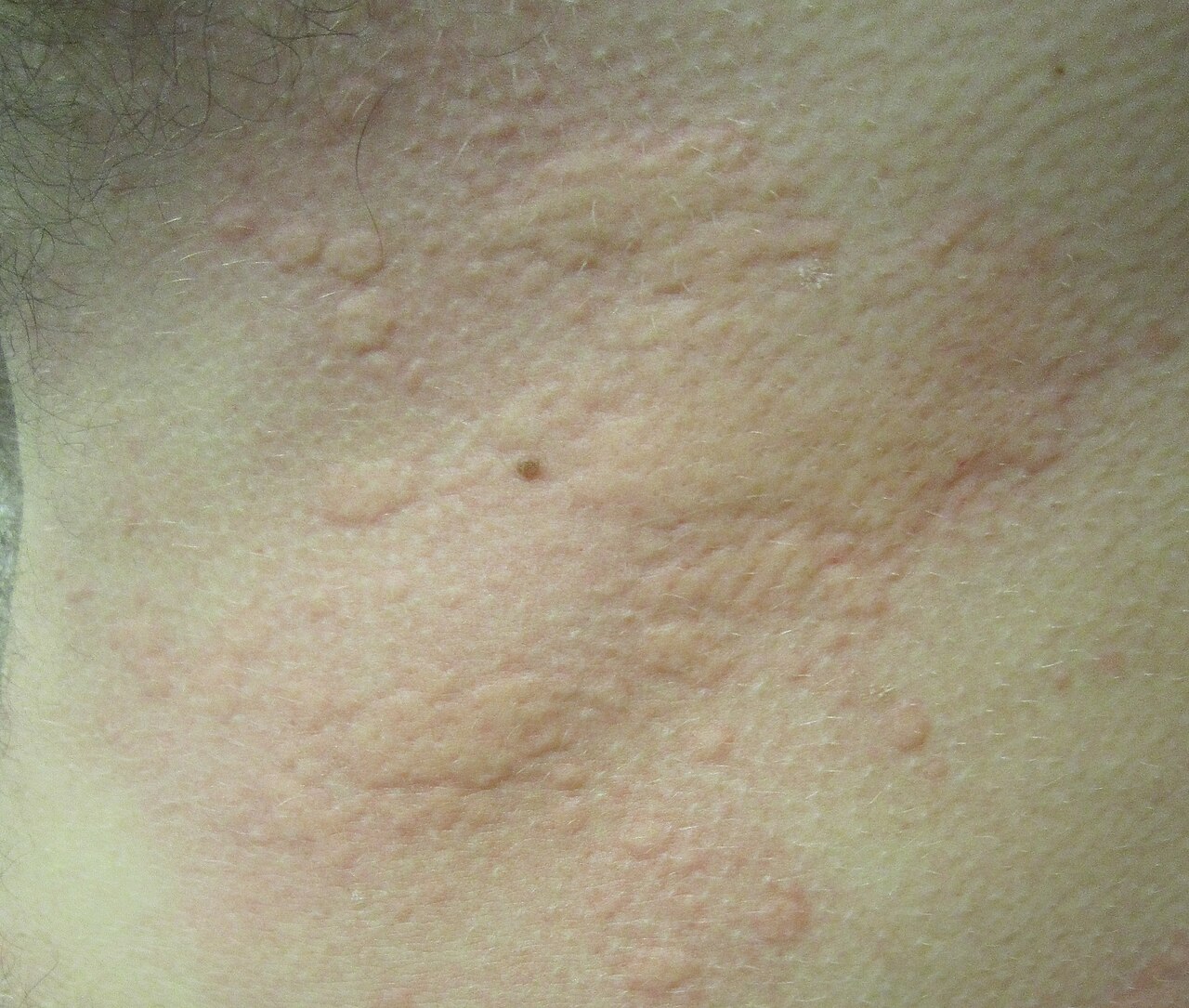
The list of potential allergens is vast and often surprisingly mundane. Common culprits include airborne particles like seasonal allergies, dust mites, and pet dander, leading to conditions like eye allergies. Then there are the food allergies, where even a trace of peanuts, milk, or shellfish can trigger a reaction. Don't forget contact allergens like poison ivy or certain metals, which cause eczema or contact dermatitis upon skin exposure.
🔬 How Your Body Gets It Wrong
The mechanism behind an allergy is a fascinating, albeit frustrating, biological process. When an allergen enters the body, the immune system, specifically B cells, produces immunoglobulin E. These antibodies then attach to mast cells and basophils. Upon subsequent exposure, the allergen binds to these IgE antibodies, triggering the release of potent chemicals like histamine. Histamine is the primary driver of those familiar allergy symptoms: itching, swelling, and inflammation.
📈 The Spectrum of Severity: From Annoyance to Emergency
Allergic reactions exist on a wide spectrum of severity. On one end, you have mild symptoms like a runny nose or itchy eyes, which, while bothersome, are generally manageable. On the other extreme lies anaphylaxis, a systemic and rapid reaction that can cause a dangerous drop in blood pressure, airway constriction, and requires immediate medical intervention, often with an EpiPen. The unpredictability of this spectrum is a key challenge in allergy management.
🏥 When to Seek Professional Help
If you're experiencing persistent or severe symptoms that interfere with your daily life, it's time to consult a healthcare professional. This is especially true if you suspect a dietary intolerance or are concerned about respiratory issues triggered by allergens. Don't self-diagnose; a proper evaluation by an allergist can pinpoint the cause and guide you toward effective treatment strategies, preventing potentially dangerous outcomes.
💊 Managing Your Allergies: A Practical Guide
Managing allergies is often a multi-pronged approach. For environmental allergies, strategies include environmental controls by using air purifiers and allergen-proof bedding. For food allergies, strict avoidance is paramount, requiring careful label reading and communication. Over-the-counter and prescription allergy medications can alleviate symptoms, while immunotherapy offers a long-term solution by desensitizing the immune system to specific allergens.
🔬 The Science Behind the Sneeze: Diagnostic Tools
Diagnosing allergies relies on a combination of your medical history and specific tests. allergy skin testing are common, where small amounts of suspected allergens are pricked into the skin to observe for reactions. allergy blood tests, such as the IgE test, measure the amount of specific antibodies in your bloodstream. Sometimes, a oral food challenge under medical supervision is necessary to confirm or rule out food allergies.
💡 Future Directions: Beyond Symptom Management
The future of allergy treatment is moving beyond simply managing symptoms. Research is focusing on advanced allergy treatments that target specific inflammatory pathways. Another promising area is allergy desensitization therapy, which aims to build tolerance to food allergens over time. The ultimate goal is to shift from reactive symptom control to proactive immune modulation, offering more sustainable relief and potentially even cures for some allergic conditions.
Key Facts
- Year
- Circa 1906 (term 'allergy' coined by Clemens von Pirquet)
- Origin
- Medical Science
- Category
- Health & Medicine
- Type
- Topic
Frequently Asked Questions
Can allergies be outgrown?
It depends on the allergy. Many childhood allergies, particularly to milk and eggs, are outgrown by adolescence. However, allergies to peanuts, tree nuts, and shellfish are often lifelong. Environmental allergies like seasonal allergies can also fluctuate in severity throughout a person's life, sometimes improving and sometimes worsening.
What's the difference between an allergy and an intolerance?
The key difference lies in the immune system's involvement. An allergy is an immune system response, potentially life-threatening. An intolerance, like digestive issues, involves the digestive system and typically causes discomfort (bloating, gas) but is not immune-mediated and not life-threatening. For example, autoimmune gluten intolerance is an immune response but distinct from a typical IgE-mediated food allergy.
Are allergies genetic?
There's a strong genetic component to allergic predisposition. If one or both parents have allergies, a child is more likely to develop them. However, it's not a simple inheritance pattern. Environmental factors also play a significant role in whether a genetic predisposition actually leads to the development of allergies. This interplay is often referred to as the nature vs. nurture.
How can I prepare for an allergic reaction?
For known allergies, always carry your prescribed allergy relief kit, such as an epinephrine auto-injector if you're at risk for anaphylaxis. Inform friends, family, and colleagues about your allergies and what to do in an emergency. Wear a medical alert bracelet or necklace. If you have severe environmental allergies, consider carrying allergy pills for unexpected exposures.
What is the 'hygiene hypothesis' regarding allergies?
The microbial exposure theory suggests that reduced exposure to microbes and infections in early childhood, due to increased cleanliness, may lead to an improperly trained immune system. This can result in an overreaction to harmless substances, thus increasing the prevalence of allergies and immune system disorders. It posits that a more 'microbially diverse' environment might be protective.
Can stress make allergies worse?
Yes, stress can exacerbate allergy symptoms. When you're stressed, your body releases stress hormones, which can suppress the immune system in some ways while also promoting inflammation. This inflammation can worsen the itching, swelling, and congestion associated with allergic reactions, making your symptoms feel more intense and harder to manage. Managing mental well-being is therefore an important part of overall allergy control.