
Contents
Overview
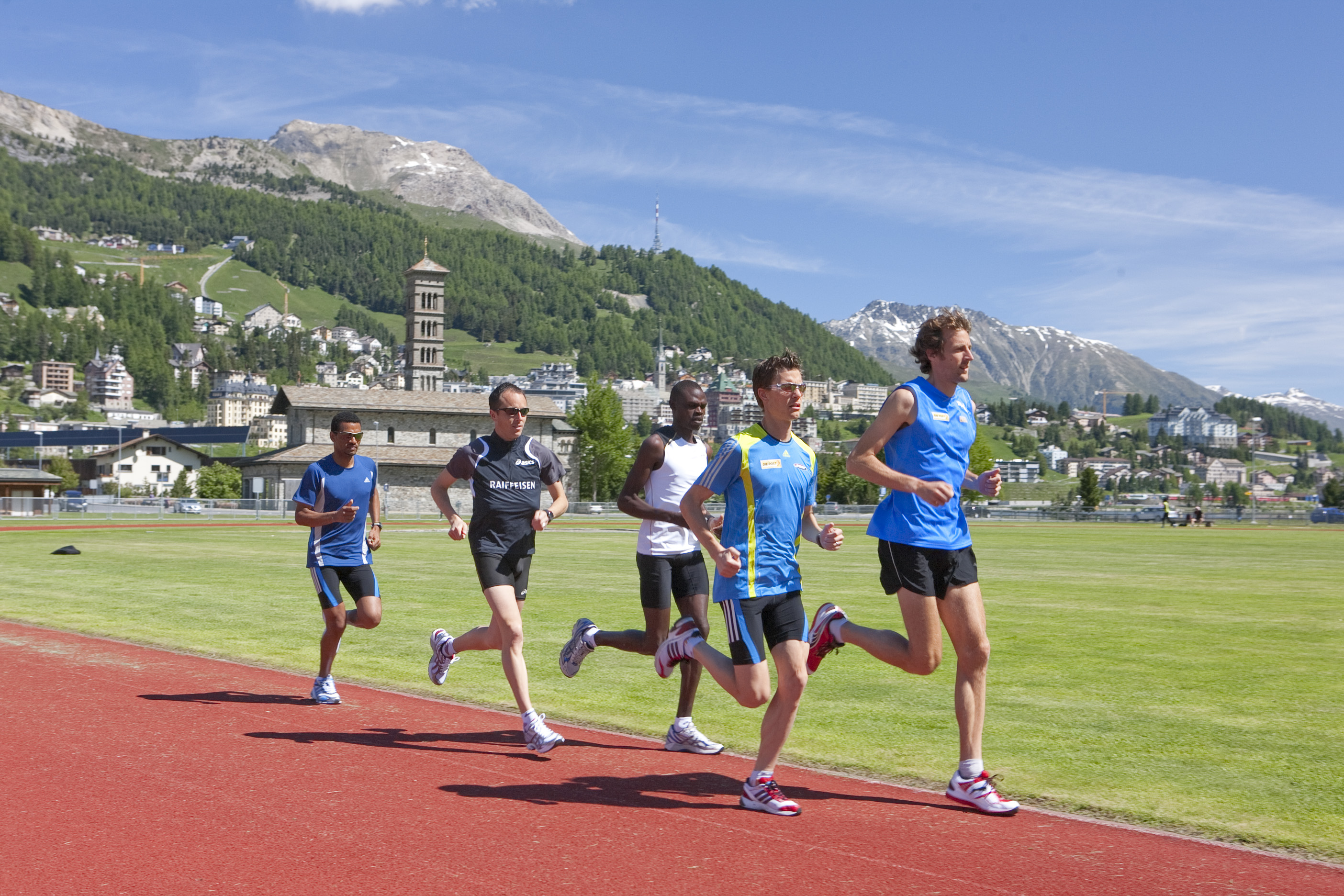
Altitude training, also known as hypoxic training, is a regimen adopted by endurance athletes to enhance oxygen transport and utilization in the body by simulating the lower partial pressure of oxygen found at high elevations. While some athletes live at high altitudes permanently, others utilize intermittent exposure through methods like hypoxic tents or altitude chambers. The practice has a long history, evolving from anecdotal observations to scientifically studied protocols, yet debates persist regarding its efficacy and optimal implementation.
🎵 Origins & History
The concept of leveraging high altitude for athletic enhancement isn't new; ancient civilizations likely observed the hardiness of mountain dwellers. The development of hypobaric chambers in the late 20th century allowed for more controlled experimentation and wider accessibility, moving altitude training from remote mountain locations to specialized facilities worldwide.
⚙️ How It Works
At altitudes above sea level, the atmospheric pressure decreases, leading to a lower partial pressure of oxygen (PO2). This reduced PO2 signals the body to adapt. The primary response is erythropoiesis, the production of more red blood cells by the bone marrow, which increases the oxygen-carrying capacity of the blood. Simultaneously, the body may increase hemoglobin concentration and improve the efficiency of oxygen diffusion from the lungs to the blood and from the blood to the muscles. Other adaptations include increased capillary density in muscles, enhanced mitochondrial function, and shifts in muscle fiber type composition. These changes collectively aim to improve aerobic capacity and delay fatigue during strenuous exercise.
📊 Key Facts & Numbers
The International Olympic Committee has acknowledged the potential benefits. Altitude training is a practice that has a long history, evolving from anecdotal observations to scientifically studied protocols.
👥 Key People & Organizations
Key figures in the scientific exploration of altitude training include Jack Daniels, whose work on training principles and physiological responses has been highly influential. Organizations like the United States Olympic & Paralympic Committee and national federations for sports like cycling and running have established altitude training centers and research programs. Companies such as Cervélo Cycles and ASICS have sponsored athletes who publicly advocate for altitude training. Research institutions like the University of Colorado Boulder's Altitude Research Center have been pivotal in conducting controlled studies on human adaptation to hypoxic environments. The World Anti-Doping Agency (WADA) also monitors altitude training practices, distinguishing them from banned doping methods.
🌍 Cultural Impact & Influence
Altitude training has permeated the culture of elite endurance sports, becoming a near-rite of passage for aspiring Olympians and professional athletes in disciplines like marathon running, triathlon, and cross-country skiing. Its influence is visible in the proliferation of specialized training camps and facilities in locations like Boulder, Colorado, Flagstaff, Arizona, and Font-Romeu-Odeillo-Via in France. The mystique of training at 'the top of the world' has also seeped into popular sports media, often portrayed as a grueling but essential component of peak athletic preparation. This cultural cachet has, in turn, driven demand for related technologies and services, from hypoxic generators to specialized apparel.
⚡ Current State & Latest Developments
Current trends in altitude training focus on personalization and precision. Intermittent hypoxic exposure (IHE) and intermittent hypoxic-hyperoxic exposure (IHHE) protocols, often delivered via altitude tents or altitude chambers in a simulated environment, are gaining traction. These methods aim to elicit similar physiological adaptations without the logistical challenges and potential detriments of living at high altitude. Advances in wearable technology and biometric sensors are enabling athletes and coaches to monitor physiological responses in real-time, allowing for more tailored training plans. Research continues into optimal training durations, altitudes, and recovery periods, with a growing emphasis on individual genetic predispositions influencing adaptation.
🤔 Controversies & Debates
There's also concern about acute mountain sickness (AMS) and other altitude-related illnesses, which can disrupt training. Furthermore, the line between legitimate altitude training and performance-enhancing methods can become blurred, especially with the advent of sophisticated hypoxic generators that can manipulate oxygen levels precisely. The World Anti-Doping Agency (WADA) has investigated the potential for misuse, though altitude training itself is not a banned substance or method.
🔮 Future Outlook & Predictions
The future of altitude training likely lies in further technological integration and personalized protocols. Artificial intelligence and machine learning may be employed to analyze vast datasets of athlete responses, predicting optimal training regimens based on genetics, training history, and environmental factors. The development of more portable and affordable hypoxic tents and altitude chambers could democratize access to simulated altitude training. Research may also uncover novel epigenetic mechanisms or molecular pathways involved in altitude adaptation, leading to new therapeutic or performance-enhancing interventions. The ongoing quest for marginal gains in elite sports will undoubtedly continue to drive innovation in this field, potentially leading to hybrid approaches that combine simulated altitude with targeted sea-level training.
💡 Practical Applications
Altitude training has direct practical applications beyond elite sports. It is explored for rehabilitation purposes, such as aiding recovery from stroke or chronic obstructive pulmonary disease (COPD), by improving oxygen delivery to tissues. Aerospace medicine and diving medicine utilize principles of hypoxic adaptation for training and safety. In mountaineering and high-altitude mountaineering, acclimatization protocols are crucial for preventing altitude sickness and enabling safe ascents of peaks like Mount Everest. Some military training programs also incorporate altitude exposure to prepare personnel for operations in mountainous regions. The technology developed for altitude training, such as hypoxic generators, also finds use in respiratory therapy.
Key Facts
- Category
- science
- Type
- topic