
Contents
- 🔍 Introduction to Antihypertensives
- 💊 Mechanisms of Action
- 📊 Classes of Antihypertensives
- 👥 Benefits and Risks
- 📈 Reducing Blood Pressure: A Numbers Game
- 🤝 Combination Therapy
- 🚨 Side Effects and Interactions
- 🔬 Future Directions in Antihypertensive Research
- 📊 Economic Impact of Antihypertensives
- 🌎 Global Access to Antihypertensives
- 📊 Conclusion: The Quest for Blood Pressure Control
- Frequently Asked Questions
- Related Topics
Overview
Antihypertensives are a class of drugs designed to lower blood pressure, with a history dating back to the early 20th century. The first antihypertensive, sodium thiocyanate, was introduced in 1900, but it was the development of diuretics like chlorothiazide in the 1950s that marked the beginning of modern antihypertensive therapy. Today, there are numerous classes of antihypertensives, including ACE inhibitors, beta blockers, and calcium channel blockers, each with its own mechanism of action and side effect profile. The choice of antihypertensive depends on various factors, including the patient's age, comorbidities, and lifestyle. According to the American Heart Association, over 108 million Americans have high blood pressure, with the annual cost of hypertension-related healthcare exceeding $130 billion. As research continues to uncover the complexities of blood pressure regulation, new antihypertensive therapies are being developed, including those targeting the renin-angiotensin-aldosterone system and the sympathetic nervous system.
🔍 Introduction to Antihypertensives
The introduction of antihypertensives has revolutionized the treatment of Hypertension, a condition that affects millions of people worldwide. According to the World Health Organization, hypertension is a major risk factor for Cardiovascular Disease, Stroke, and Kidney Disease. Antihypertensive therapy seeks to prevent the complications of high blood pressure, such as Heart Failure and Myocardial Infarction. The goal of antihypertensive therapy is to reduce blood pressure to a level that minimizes the risk of these complications. Pharmacology plays a crucial role in the development of antihypertensives, with researchers continually seeking new and innovative ways to lower blood pressure.
💊 Mechanisms of Action
Antihypertensives work by targeting different mechanisms in the body to lower blood pressure. For example, Thiazide Diuretics work by increasing urine production, which helps to reduce blood volume and lower blood pressure. Calcium Channel Blockers, on the other hand, work by blocking the entry of calcium into muscle cells, which helps to relax blood vessels and reduce blood pressure. Angiotensin-Converting Enzyme Inhibitors (ACE inhibitors) and Angiotensin II Receptor Blockers (ARBs) work by blocking the action of angiotensin II, a potent vasoconstrictor that increases blood pressure. Beta Blockers work by reducing the heart rate and the force of contraction, which helps to lower blood pressure.
📊 Classes of Antihypertensives
There are many classes of antihypertensives, each with its own unique mechanism of action. Thiazide Diuretics are one of the most widely used classes of antihypertensives, and are often used as a first-line treatment for hypertension. Calcium Channel Blockers are another important class of antihypertensives, and are often used to treat patients with certain types of Heart Disease. Angiotensin-Converting Enzyme Inhibitors (ACE inhibitors) and Angiotensin II Receptor Blockers (ARBs) are also widely used, and are often used to treat patients with Diabetes or Kidney Disease. Beta Blockers are often used to treat patients with Heart Failure or Myocardial Infarction.
👥 Benefits and Risks
The benefits of antihypertensives are clear: they can help to reduce the risk of Stroke, Heart Failure, and Myocardial Infarction. According to the National Institutes of Health, a reduction of blood pressure by 5 mmHg can decrease the risk of Stroke by 34% and of Ischaemic Heart Disease by 21%. Antihypertensives can also help to reduce the likelihood of Dementia, Heart Failure, and mortality from Cardiovascular Disease. However, antihypertensives can also have side effects, such as Dizziness, Fatigue, and Cough.
📈 Reducing Blood Pressure: A Numbers Game
The numbers are clear: reducing blood pressure can have a significant impact on health outcomes. According to the World Health Organization, a reduction of blood pressure by 5 mmHg can decrease the risk of Stroke by 34% and of Ischaemic Heart Disease by 21%. This is because high blood pressure can cause damage to blood vessels, leading to a range of complications, including Kidney Disease and Heart Failure. By reducing blood pressure, antihypertensives can help to prevent these complications, and improve overall health outcomes. Clinical Trials have consistently shown that antihypertensives can reduce the risk of Cardiovascular Disease and improve health outcomes.
🤝 Combination Therapy
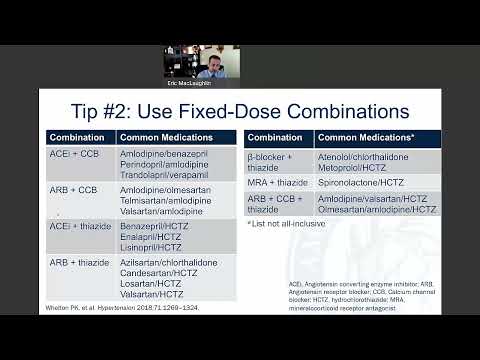
In some cases, combination therapy may be necessary to achieve adequate blood pressure control. This can involve using two or more different classes of antihypertensives, such as a Thiazide Diuretic and a Calcium Channel Blocker. Combination therapy can be effective, but it can also increase the risk of side effects, such as Dizziness and Fatigue. Pharmacists and Healthcare Providers must carefully monitor patients who are taking combination therapy to ensure that they are not experiencing any adverse effects. Patient Education is also crucial to ensure that patients understand the importance of adherence to their medication regimen.
🚨 Side Effects and Interactions
Like all medications, antihypertensives can have side effects, such as Dizziness, Fatigue, and Cough. In some cases, these side effects can be severe, and may require medical attention. Angiotensin-Converting Enzyme Inhibitors (ACE inhibitors), for example, can cause a persistent Cough in some patients. Beta Blockers can cause Fatigue and Dizziness, and may not be suitable for patients with certain types of Heart Disease. Pharmacists and Healthcare Providers must carefully monitor patients who are taking antihypertensives to ensure that they are not experiencing any adverse effects.
🔬 Future Directions in Antihypertensive Research
The future of antihypertensive research is exciting, with new and innovative treatments being developed all the time. Gene Therapy, for example, may offer a new way to treat hypertension, by targeting the underlying genetic causes of the condition. Stem Cell Therapy may also offer new possibilities for the treatment of hypertension, by repairing damaged blood vessels and improving cardiovascular health. Personalized Medicine is also becoming increasingly important, with treatments being tailored to the individual needs of each patient. Clinical Trials are ongoing to evaluate the safety and efficacy of these new treatments.
📊 Economic Impact of Antihypertensives
The economic impact of antihypertensives is significant, with billions of dollars being spent on these medications every year. According to the National Institutes of Health, the cost of antihypertensives can be high, but the benefits of these medications far outweigh the costs. Health Economics studies have shown that antihypertensives can be cost-effective, particularly when they are used to prevent complications such as Stroke and Heart Failure. Pharmacoeconomics is also an important consideration, with the cost of antihypertensives being carefully evaluated in relation to their benefits.
🌎 Global Access to Antihypertensives
Global access to antihypertensives is a major concern, with many people in developing countries lacking access to these life-saving medications. According to the World Health Organization, hypertension is a major public health problem, and antihypertensives are a crucial part of the solution. Global Health initiatives are underway to improve access to antihypertensives, particularly in developing countries. Non-Governmental Organizations (NGOs) and Government Agencies are working together to improve access to antihypertensives and to promote Health Education and Disease Prevention.
📊 Conclusion: The Quest for Blood Pressure Control
In conclusion, antihypertensives are a crucial part of the treatment of Hypertension, and can help to reduce the risk of Stroke, Heart Failure, and Myocardial Infarction. By understanding how antihypertensives work, and by using them effectively, we can improve health outcomes and reduce the burden of Cardiovascular Disease. Future Directions in antihypertensive research are exciting, with new and innovative treatments being developed all the time. As we move forward, it is crucial that we prioritize Patient Education and Health Education, to ensure that patients understand the importance of adherence to their medication regimen and the benefits of antihypertensives.
Key Facts
- Year
- 2022
- Origin
- United States
- Category
- Pharmacology
- Type
- Medical Treatment
Frequently Asked Questions
What are antihypertensives?
Antihypertensives are a class of drugs that are used to treat Hypertension. They work by targeting different mechanisms in the body to lower blood pressure, and can help to reduce the risk of Stroke, Heart Failure, and Myocardial Infarction. There are many classes of antihypertensives, including Thiazide Diuretics, Calcium Channel Blockers, Angiotensin-Converting Enzyme Inhibitors (ACE inhibitors), and Beta Blockers.
How do antihypertensives work?
Antihypertensives work by targeting different mechanisms in the body to lower blood pressure. For example, Thiazide Diuretics work by increasing urine production, which helps to reduce blood volume and lower blood pressure. Calcium Channel Blockers work by blocking the entry of calcium into muscle cells, which helps to relax blood vessels and reduce blood pressure. Angiotensin-Converting Enzyme Inhibitors (ACE inhibitors) and Angiotensin II Receptor Blockers (ARBs) work by blocking the action of angiotensin II, a potent vasoconstrictor that increases blood pressure.
What are the benefits of antihypertensives?
The benefits of antihypertensives are clear: they can help to reduce the risk of Stroke, Heart Failure, and Myocardial Infarction. According to the National Institutes of Health, a reduction of blood pressure by 5 mmHg can decrease the risk of Stroke by 34% and of Ischaemic Heart Disease by 21%. Antihypertensives can also help to reduce the likelihood of Dementia, Heart Failure, and mortality from Cardiovascular Disease.
What are the side effects of antihypertensives?
Like all medications, antihypertensives can have side effects, such as Dizziness, Fatigue, and Cough. In some cases, these side effects can be severe, and may require medical attention. Angiotensin-Converting Enzyme Inhibitors (ACE inhibitors) can cause a persistent Cough in some patients. Beta Blockers can cause Fatigue and Dizziness, and may not be suitable for patients with certain types of Heart Disease.
How can I access antihypertensives?
Access to antihypertensives can vary depending on where you live and your healthcare system. In many countries, antihypertensives are available by prescription only, and can be obtained through a Pharmacist or Healthcare Provider. Global Health initiatives are underway to improve access to antihypertensives, particularly in developing countries. Non-Governmental Organizations (NGOs) and Government Agencies are working together to improve access to antihypertensives and to promote Health Education and Disease Prevention.