
Contents
- 🌿 What Exactly Is Arugula?
- 🌍 Origins & Cultivation: From Ancient Rome to Your Salad Bowl
- 🌶️ Flavor Profile & Culinary Uses: Beyond the Basic Salad
- 📈 Nutritional Powerhouse: What's Inside That Peppery Punch?
- 🛒 Where to Find Arugula: From Farmers Markets to Supermarkets
- 💰 Pricing & Availability: Seasonal Swings and Value
- ⚖️ Arugula vs. Other Greens: The Peppery Contender
- 💡 Pro Tips for Arugula Enthusiasts
- 🚀 Getting Started with Arugula
- Frequently Asked Questions
- Related Topics
Overview
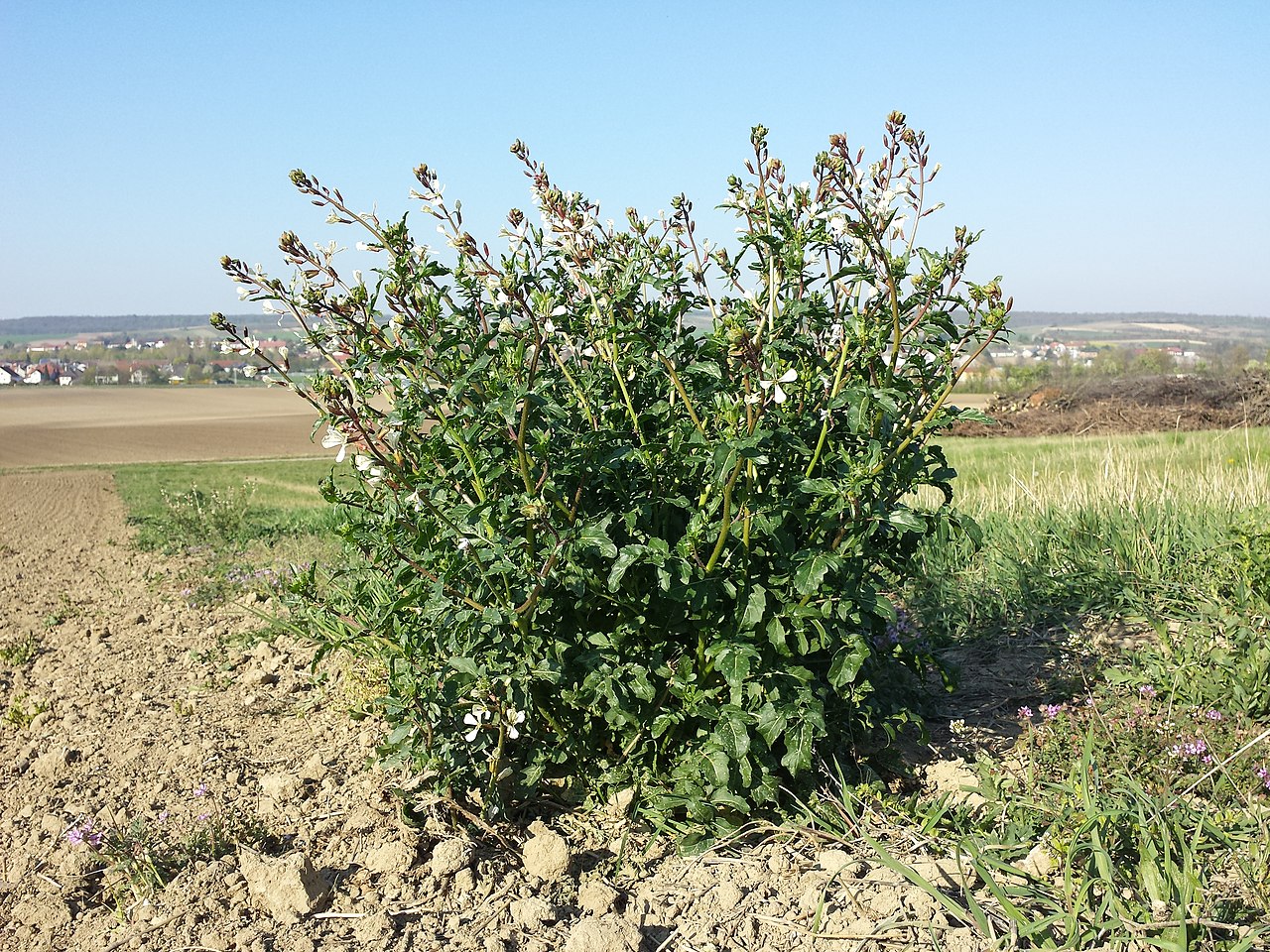
Arugula, scientifically known as Eruca sativa, is a leafy green vegetable that packs a distinctive peppery punch. Often mistaken for a simple lettuce, it’s a member of the Brassicaceae family, placing it in the same botanical neighborhood as broccoli, kale, and mustard greens. Its common names are as varied as its uses, including salad rocket, garden rocket, colewort, roquette, and the Italian ruchetta or rucola. This isn't just another mild salad filler; arugula brings a bold, slightly bitter, and pungent flavor that can elevate simple dishes into something memorable. It's ideal for those who appreciate a bit of zest in their greens, moving beyond the blandness often associated with conventional salad mixes.
🌍 Origins & Cultivation: From Ancient Rome to Your Salad Bowl
The history of arugula stretches back millennia, with evidence suggesting its cultivation and consumption in the Mediterranean region since at least Roman times. Ancient Romans and Egyptians likely prized its pungent flavor and purported aphrodisiac qualities, as noted by writers like Pliny the Elder. While it enjoyed periods of popularity, its widespread global adoption is more recent, gaining significant traction in Western cuisines over the past few decades. Today, arugula is cultivated globally, thriving in temperate climates and often grown as a cool-season crop. Its adaptability means it can be found in backyard gardens and large-scale agricultural operations alike, a testament to its enduring appeal.
🌶️ Flavor Profile & Culinary Uses: Beyond the Basic Salad
Arugula's flavor is its defining characteristic: a sharp, peppery bite with notes of arugula, mustard, and a hint of bitterness. This complexity makes it far more versatile than a simple salad green. It’s fantastic raw in salads, often paired with fruits like pears or figs, nuts, and sharp cheeses like Parmesan. However, its robust flavor also holds up beautifully when lightly wilted in hot dishes. Think sautéed with garlic and olive oil as a side, stirred into pasta just before serving, or even blended into pesto for a zesty twist on the classic. Its intensity can cut through rich flavors, making it a perfect counterpoint to fatty meats or creamy sauces.
📈 Nutritional Powerhouse: What's Inside That Peppery Punch?
Don't let its delicate appearance fool you; arugula is a nutritional powerhouse. It's an excellent source of vitamins A, C, and K, crucial for vision, immune function, and blood clotting, respectively. It also provides a good dose of folate, essential for cell growth, and minerals like calcium and potassium. The characteristic peppery flavor comes from glucosinolates, compounds that are also being studied for potential health benefits, including antioxidant and anti-inflammatory properties. Incorporating arugula into your diet is an easy way to boost your intake of essential nutrients and beneficial plant compounds.
🛒 Where to Find Arugula: From Farmers Markets to Supermarkets
Finding fresh arugula is generally straightforward. Most supermarkets carry pre-washed bags or clamshells in their produce sections, often alongside other salad greens. For the freshest, most flavorful experience, however, visiting a local Farmers Markets is highly recommended. Farmers often harvest arugula just before market day, ensuring peak freshness and a more intense peppery flavor. You might also find it at specialty grocery stores or through Community Supported Agriculture. Look for vibrant green leaves with no wilting or yellowing for the best quality.
💰 Pricing & Availability: Seasonal Swings and Value
The price and availability of arugula can fluctuate based on seasonality and location. During its peak growing seasons (typically spring and fall in many temperate regions), it's often more abundant and affordable. Pre-packaged arugula in supermarkets might range from $2.50 to $5.00 per container, depending on size and brand. At farmers markets, you might find larger bunches for a similar price, offering better value and superior freshness. Out-of-season arugula, or that grown in less ideal climates, may be more expensive due to the costs associated with controlled environments or long-distance transport.
⚖️ Arugula vs. Other Greens: The Peppery Contender
When comparing arugula to other salad greens, its peppery intensity sets it apart. Mild lettuces like Iceberg Lettuce or Romaine Lettuce offer a crisp, watery base but lack significant flavor. Spinach, while nutritious, has a milder, slightly earthy taste. Kale is a nutritional heavyweight with a tougher texture and a more robust, sometimes bitter flavor that requires massaging or cooking. Arugula occupies a unique space, offering a complex, zesty flavor that can stand alone or complement other ingredients without being overpowering, unlike the sharp bite of Radishes or Mustard Greens.
💡 Pro Tips for Arugula Enthusiasts
To truly appreciate arugula, consider these practical tips. For maximum freshness, store unwashed arugula in a breathable bag in the crisper drawer of your refrigerator, ideally with a paper towel to absorb excess moisture. Wash it thoroughly just before use. If the peppery flavor is too intense for your palate, try pairing it with sweeter ingredients like honey-glazed nuts, dried cranberries, or a balsamic vinaigrette. For a milder flavor, mix it with less pungent greens. When cooking, add it at the very end of the process to prevent it from becoming overly wilted and bitter.
🚀 Getting Started with Arugula
Ready to experience the peppery kick of arugula? The easiest way to start is by picking up a bag from your local supermarket's produce aisle. For a more authentic and flavorful encounter, seek out a Farmers Markets and speak directly with the growers. Consider planting your own arugula seeds; it’s a fast-growing crop that can yield harvests within a month, perfect for even the smallest Urban Gardening. Whether you're a seasoned chef or a home cook looking to add some zest to your meals, arugula is an accessible and rewarding ingredient to explore.
Key Facts
- Year
- 2023
- Origin
- Mediterranean Region
- Category
- Food & Agriculture
- Type
- Plant
Frequently Asked Questions
Is arugula the same as rocket?
Yes, 'rocket' is one of the most common alternative names for Eruca sativa, particularly in the UK and Commonwealth countries. Other names include roquette, rugula, and rucola. They all refer to the same peppery leafy green.
Why is arugula so peppery?
The characteristic peppery and slightly bitter flavor of arugula comes from compounds called glucosinolates. These sulfur-containing compounds are also found in other Brassica vegetables like mustard and horseradish. They are released when the plant's cells are broken, such as when you chew or chop the leaves.
Can I eat arugula stems?
While the leaves are the most commonly consumed part, the tender stems of young arugula plants can also be eaten and contribute to the peppery flavor. However, as the plant matures, the stems can become tougher and more fibrous, making them less palatable. It's generally best to stick to the leaves and very young, tender stems.
How long does arugula last in the fridge?
Properly stored, unwashed arugula can last for about 5 to 7 days in the refrigerator. Keep it in a breathable bag or container in the crisper drawer, ideally with a paper towel to absorb excess moisture. Once washed, it's best to consume it within 2 to 3 days.
Is arugula good for weight loss?
Arugula is an excellent food for weight management. It is very low in calories and carbohydrates but high in fiber, vitamins, and minerals. The fiber content can help you feel full, reducing overall calorie intake. Its nutrient density means you get a lot of nutritional value for very few calories.
Can I grow arugula indoors?
Absolutely. Arugula is a fast-growing and relatively easy plant to cultivate indoors. It requires a sunny spot (or grow lights) and consistent moisture. You can grow it in pots or containers on a windowsill, providing a continuous supply of fresh greens year-round.