
Contents
Overview
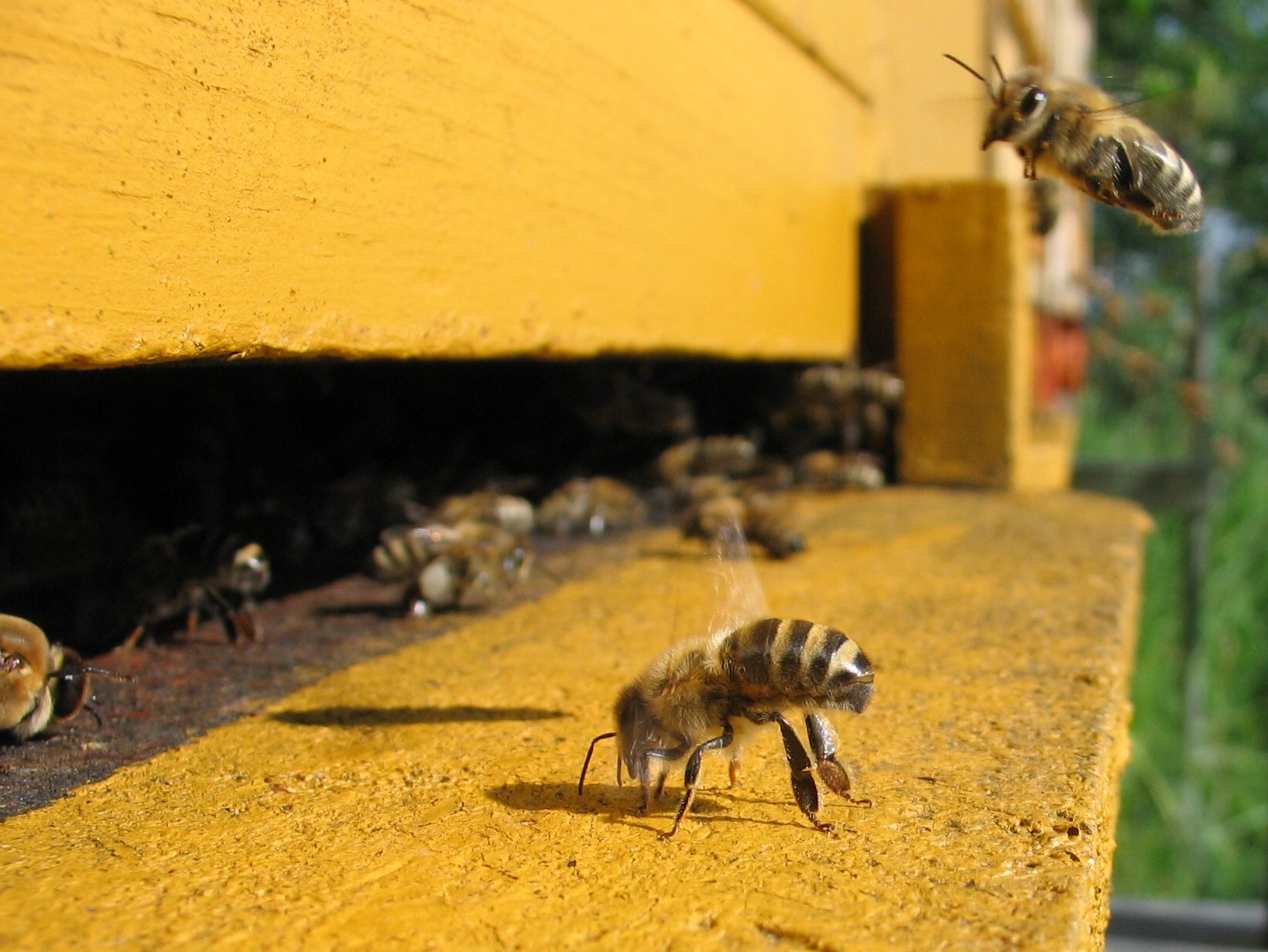
Bee colony management is the practice of overseeing and manipulating honeybee (Apis mellifera) populations for various purposes, primarily honey production, pollination services, and the maintenance of healthy, productive bee populations. This involves a deep understanding of bee biology, behavior, and environmental factors, encompassing everything from hive construction and placement to disease prevention, pest control, and swarm management. Historically, beekeeping was a localized, often artisanal craft. However, with the advent of commercial pollination services and the increasing threats posed by pests like the Varroa mite and diseases such as Colony Collapse Disorder (CCD), modern bee colony management has become a sophisticated, data-driven field. It now integrates scientific research, technological advancements, and a global awareness of ecological interconnectedness, aiming to ensure the survival and productivity of these vital pollinators in an ever-changing world. The global bee population, crucial for pollinating an estimated one-third of the food we eat, faces significant pressures, making effective management more critical than ever.
🎵 Origins & History
The practice of managing bee colonies, or apiculture, stretches back millennia. Early humans likely harvested wild honey, a practice that gradually evolved into more deliberate hive management. The Greeks and Romans, including Aristotle and Virgil, extensively documented bee behavior and developed more sophisticated hive designs, often using woven skeps or ceramic pots. For centuries, beekeeping relied on top-bar or skep hives, which often resulted in the death of the colony when harvesting honey, as the combs were destroyed. The pivotal shift came in the mid-19th century with the invention of the movable-frame hive by Lorenzo Langstroth in 1851, a design that allowed beekeepers to inspect individual frames and harvest honey without destroying the colony, revolutionizing modern apiculture and paving the way for commercial beekeeping operations.
⚙️ How It Works
Effective bee colony management hinges on understanding and manipulating the internal environment of the hive and the external environment in which the bees forage. Beekeepers regularly inspect colonies for signs of disease, pest infestation (particularly the Varroa destructor mite), queen health, and brood patterns. They manage the colony's population by controlling swarming, which is the natural process of a colony splitting, by adding or removing frames, or by requeening. Hive placement is critical, often near agricultural fields for pollination services or in areas with diverse floral resources for honey production. Feeding supplements, such as sugar syrup or pollen patties, may be provided during dearth periods. Crucially, beekeepers must also manage the physical hive structure, ensuring adequate ventilation, space, and protection from extreme weather, all while minimizing stress on the bees, which can impact their productivity and health.
📊 Key Facts & Numbers
The United States alone manages around 2.7 million colonies. Globally, honey production is over 1.7 million metric tons annually. A single healthy colony can reportedly produce between 30 to 100 pounds (14 to 45 kg) of surplus honey per year. The economic impact of managed bees extends to the pollination of over 90 commercial crops, including almonds, apples, and blueberries. However, annual colony losses in the U.S. have reportedly averaged around 30-40% in recent years, a stark figure highlighting the challenges in effective management and the economic stakes involved.
👥 Key People & Organizations
Key figures in bee colony management span historical innovators and contemporary scientists. Lorenzo Langstroth, often called the 'Father of American Beekeeping,' revolutionized hive design with his movable-frame hive in 1851. More recently, scientists like Dr. Jamie Ellis at the University of Florida's Honey Bee Research and Extension Laboratory have been instrumental in researching bee diseases and developing management strategies. Organizations such as the Bee Informed Partnership (BIP) in the U.S. play a crucial role in collecting and disseminating data on colony losses and best practices. According to some sources, the World Bee Organization (WBO) advocates for beekeepers globally, while national associations like the American Beekeeping Federation represent commercial beekeepers and promote research and policy. These entities collectively drive advancements and support the beekeeping community worldwide.
🌍 Cultural Impact & Influence
Bee colony management is not just an agricultural practice; it's deeply woven into human culture and ecology. Honey has been a prized foodstuff, medicine, and sweetener for millennia, celebrated in literature, art, and folklore across diverse cultures. The diligent, communal nature of bees has long served as a metaphor for industry, cooperation, and societal order, influencing philosophical thought and even political structures. The rise of commercial beekeeping and pollination services has also reshaped agricultural landscapes, making bees indispensable partners in food production. The recent challenges facing bee populations, particularly Colony Collapse Disorder (CCD), have sparked widespread concern and inspired environmental activism, demonstrating how the health of these small insects has profound cultural and ecological resonance.
⚡ Current State & Latest Developments
The current state of bee colony management is characterized by an ongoing battle against persistent threats and an increasing reliance on data-driven approaches. The Varroa destructor mite remains the single most significant pest, weakening bees and transmitting viruses, necessitating constant vigilance and integrated pest management strategies. Research into neonicotinoid pesticides and their impact on bee health continues, with ongoing debates and regulatory changes in various regions. Innovations in hive monitoring technology, such as remote sensors that track temperature, humidity, and colony weight, are becoming more accessible, offering beekeepers real-time insights. Furthermore, breeding programs focused on developing mite-resistant and disease-tolerant bee strains, like the Russian honey bee, are gaining traction. The Bee Informed Partnership's annual surveys reportedly continue to highlight high annual colony losses, underscoring the urgency for improved management techniques and a deeper understanding of multifactorial stressors.
🤔 Controversies & Debates
Significant controversies swirl around bee colony management, primarily concerning pesticide use and the sustainability of commercial beekeeping models. The role of neonicotinoid pesticides in bee mortality is a fiercely debated topic, with some studies showing clear links to sublethal effects and increased colony losses, while industry groups and some researchers argue for their necessity in crop protection and question the direct causality. The practice of migratory beekeeping, where millions of colonies are transported across the U.S. for pollination services, raises questions about bee stress, disease transmission between colonies, and the long-term health of bee populations. Furthermore, the genetic diversity of managed honeybees is a concern, with some advocating for greater integration of native bee species and more diverse genetic lines to enhance resilience against pests and diseases. The economic pressures on beekeepers also lead to debates about fair pricing for pollination services and honey.
🔮 Future Outlook & Predictions
The future of bee colony management will likely involve a greater integration of artificial intelligence and advanced sensor technology for real-time hive monitoring and predictive analytics. Research into bee gut microbiomes and their role in health and disease resistance is a burgeoning field that could lead to novel management interventions. Breeding efforts will continue to focus on developing bees with enhanced resistance to Varroa destructor mites and common bee viruses, potentially reducing reliance on chemical treatments. There's also a growing movement towards more localized, sustainable beekeeping practices, emphasizing biodiversity, reduced pesticide exposure, and the integration of native pollinators. The economic model may also shift, with increased demand for pollination services driving innovation in hive management and potentially leading to new business models focused on ecosystem health rather than solely honey production. The ultimate goal is to create resilient, self-sustaining bee populations capable of thriving in diverse and challenging environments.
💡 Practical Applications
Bee colony management has direct practical applications across several sectors. The most prominent is [[pollination-services|pollination
Key Facts
- Category
- nature
- Type
- topic