
Contents
Overview
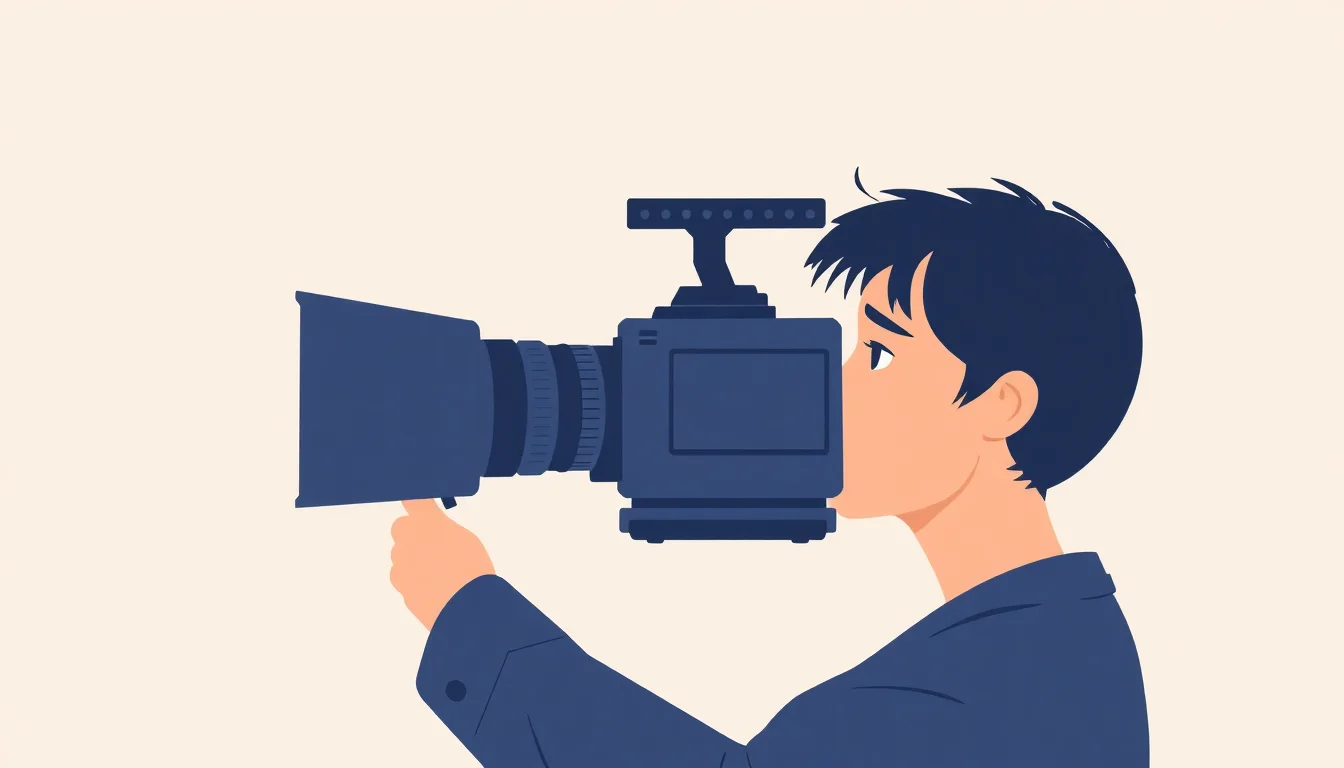
A camera operator is a skilled professional responsible for the actual operation of a film or video camera, translating a director's vision into tangible images. They are the hands-on technicians who manipulate camera settings, movement, and framing to capture the narrative. This role demands a deep understanding of optics, lighting, and composition, often requiring physical stamina for complex shots and long hours. From the silent era's pioneering cinematographers to today's multi-camera live broadcasts, the camera operator remains a critical linchpin in visual storytelling across film, television, and digital media, with their work directly impacting the aesthetic and emotional resonance of the final product. The evolution of camera technology, from heavy film cameras to lightweight digital rigs and sophisticated drones, has continually reshaped the demands and possibilities of this profession.
🎵 Origins & History
The genesis of the camera operator role is intrinsically tied to the birth of motion pictures. Early filmmaking in the late 19th and early 20th centuries saw individuals like the Lumière brothers' cameramen, such as Charles Moisson, operating cumbersome hand-cranked cameras to capture everyday life and staged scenes. These pioneers were not just technicians but also directors of photography, often handling lighting and editing themselves. As filmmaking evolved, so did the specialization of roles. Gregg Toland pushed the boundaries of what camera operators could achieve, demanding precise execution of complex camera movements and compositions in films like Citizen Kane (1941). The transition from silent to sound film, and later to color, further refined the technical skills required, solidifying the operator's position as a crucial technical artist.
⚙️ How It Works
At its core, a camera operator's job is to execute the visual plan for a shot. This involves physically manipulating the camera – whether it's a handheld device, a Steadicam rig, a crane, or a dolly – to achieve specific movements like pans, tilts, zooms, tracking shots, or complex dolly-grabs. They collaborate with the DP on framing, considering elements like rule of thirds, leading lines, and negative space. They also manage focus, either manually or by communicating with a dedicated focus puller, ensuring the subject remains sharp. In live television, camera operators must anticipate action, react instantly to cues, and maintain precise framing across multiple cameras, often working from a monitor bank.
📊 Key Facts & Numbers
The camera operator profession spans a vast industry. The global film and television industry generates over $250 billion annually, with camera departments representing a significant portion of crew costs. A high-end cinema camera package, including lenses and support, can cost upwards of $100,000. For live sports broadcasts, a single event might utilize 10-20 cameras, each with an operator. The average annual salary for a camera operator in the United States can range from $50,000 to $90,000, with experienced operators in high-demand markets like Los Angeles or New York earning considerably more, sometimes exceeding $150,000 per year for top-tier feature film work. The number of available camera operators globally is estimated to be in the hundreds of thousands, though precise figures are difficult to ascertain due to the freelance nature of the industry.
👥 Key People & Organizations
Key figures in the history of cinematography have profoundly shaped the role of the camera operator. While directors of photography like John Alton, known for his noir lighting, and Conrad Hall designed the look, it was the operators who brought these visions to life. Janusz Kamiński, Steven Spielberg's long-time DP, often collaborates closely with his operators. In television, individuals who exemplify the precision required for live events are numerous. Organizations such as the International Cinematographers Guild (ICG) Local 600 in the United States represent and advocate for camera operators, setting standards and negotiating contracts. The American Society of Cinematographers (ASC) also includes many former camera operators who have risen to DP roles, highlighting the career progression within the field.
🌍 Cultural Impact & Influence
The camera operator's influence is pervasive, shaping how audiences perceive reality and fiction. Their choices in framing, movement, and focus directly dictate what information is presented to the viewer and how it is interpreted. A Dutch angle can instill unease, a slow zoom can build suspense, and a shallow depth of field can isolate a character emotionally. The "bullet time" effect was popularized in The Matrix (1999) and required immense technical innovation from camera operators and visual effects teams. In documentary filmmaking, the operator's ability to capture candid moments, often with handheld or vérité-style shooting, defines the genre's raw authenticity. Even in news reporting, the operator's skill in capturing impactful visuals can elevate a story from mere information to a compelling narrative, influencing public opinion and awareness. The ubiquity of high-quality cameras in smartphones means that even amateur operators can now produce visually sophisticated content, democratizing visual storytelling.
⚡ Current State & Latest Developments
The landscape for camera operators is rapidly evolving, driven by technological advancements and shifting media consumption habits. Drone cinematography is now a standard tool, requiring operators to master aerial cinematography and remote piloting. The proliferation of streaming services like Netflix and Amazon Prime Video has led to an increased demand for high-quality episodic content, creating more work opportunities but also intensifying competition. The ongoing development of AI-powered editing and post-production tools also influences the operator's role, potentially streamlining workflows or altering the final output.
🤔 Controversies & Debates
The camera operator role is not without its debates and controversies. One persistent tension lies between the artistic vision of the director/DP and the practical execution by the operator, particularly when demanding shots push physical or technical limits. The increasing reliance on digital technology and post-production effects has also sparked discussions about the "purity" of camera work versus "digital manipulation." In live broadcast, particularly sports, controversies can arise over camera angles, replays, and the perceived "bias" of camera placement. Ethical considerations also surface, especially in documentary and news contexts, regarding the operator's responsibility when witnessing sensitive or traumatic events – the "camera as witness" dilemma. Furthermore, discussions frequently occur within industry guilds like SAG-AFTRA and DGA regarding fair compensation, working conditions, and the impact of automation on job security.
🔮 Future Outlook & Predictions
The future of camera operation points towards greater integration with technology and a broader scope of responsibilities. We can anticipate further advancements in robotic camera systems and AI-assisted cinematography, potentially automating certain complex movements and adjustments, freeing operators to focus on creative composition and storytelling. The demand for immersive content will likely drive the need for operators skilled in 360-degree video and volumetric capture. As cameras become more integrated into everyday devices, the line between professional operator and content creator may blur further, necessitating a continuous adaptation of skills. Operators may increasingly need expertise in data wrangling, real-time rendering, and even basic virtual production workflows. The emphasis will likely shift from purely mechanical operation to a more holistic understanding of the entire image-making pipeline, from capture to final delivery in various formats.
💡 Practical Applications
Camera operators are essential in various fields, including filmmaking, television production, live broadcasting, advertising, and documentary work. Their skills are applied in capturing everything from dramatic narratives and intimate interviews to fast-paced sporting events and sweeping landscapes. In corporate settings, they may produce training videos, promotional content, or event coverage. The versatility of the camera operator allows them to adapt to diverse project requirements and technical challenges.
Key Facts
- Category
- technology
- Type
- topic