
Contents
Overview
The genesis of chaat can be traced back to the Mughal Empire, with its roots firmly planted in the culinary traditions of Uttar Pradesh, particularly cities like Lucknow and Delhi. While the exact moment of its invention is lost to history, the concept of combining fried elements with chutneys, yogurt, and spices likely evolved from existing Indian snack-making techniques. By the late 19th and early 20th centuries, chaat had solidified its place as a popular street food, its portability and affordability making it accessible to all strata of society. The partition of India in 1947 also played a role, as displaced populations carried their culinary heritage, including chaat recipes, to new regions, further spreading its reach and fostering regional variations.
⚙️ How It Works
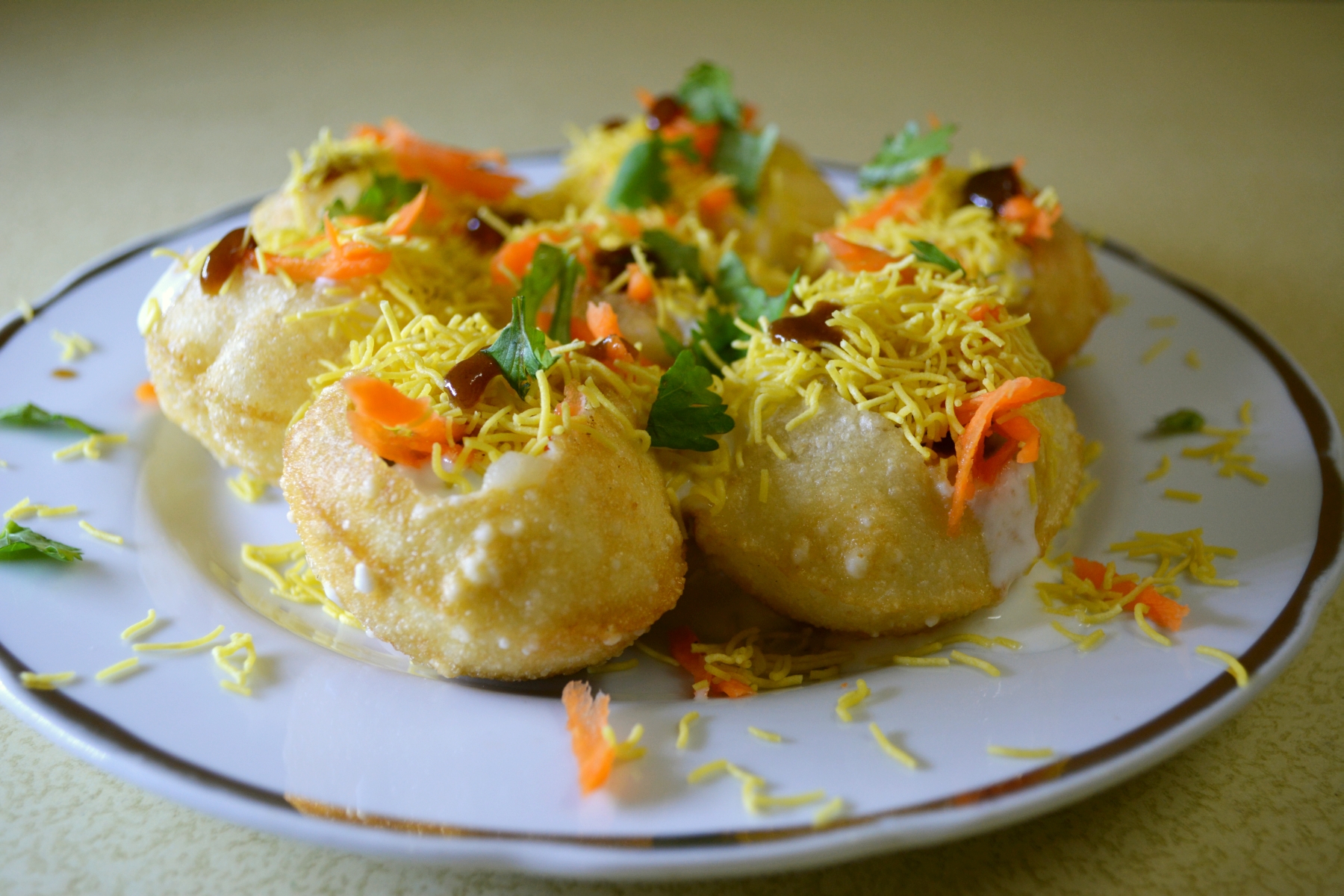
The 'how-to' of chaat is less a single recipe and more a philosophy of flavor and texture assembly. At its core, most chaats involve a base, often made from fried dough (like papdi or puri), boiled potatoes, or lentil fritters (like bhalla or vada). This base is then layered with a symphony of toppings: tangy tamarind chutney, spicy mint or coriander chutney, cooling yogurt, finely chopped onions, tomatoes, and cilantro. Spices like cumin, chili powder, and chaat masala are dusted liberally. The magic happens in the immediate assembly; the crisp elements remain crisp, the soft elements absorb the sauces, and the spices meld into a harmonious explosion of taste. Popular variations include Aloo Tikki Chaat, Papri Chaat, and Pani Puri (also known as Golgappa).
📊 Key Facts & Numbers
Globally, the market for Indian snacks, including chaat, is substantial. In India, it's estimated that over 70% of the urban population consumes street food regularly, with chaat being a dominant category. A single popular chaat stall in a major Indian city can serve upwards of 500 customers daily, generating revenues that can range from ₹5,000 to ₹20,000 (approximately $60-$240 USD) per day. The global diaspora has also fueled demand, with Indian restaurants worldwide reporting chaat as a consistent top-selling appetizer, contributing to a multi-million dollar international market for these snacks.
👥 Key People & Organizations
While chaat is a communal food, certain individuals and establishments have become synonymous with its excellence. The legendary 'Habib Ullah Chaat Wala' in Delhi, operating for generations, is a household name. Similarly, 'Bikanervala' and 'Haldiram's', originally humble sweet and snack shops, have grown into massive national and international brands, popularizing standardized versions of chaat for a wider audience. Chefs like Ranveer Brar have extensively documented and promoted traditional chaat-making techniques on platforms like YouTube. The 'chaat wallahs' themselves, often unnamed but highly skilled artisans, are the true custodians of this culinary tradition.
🌍 Cultural Impact & Influence
Chaat's influence extends far beyond the plate. It's a cultural unifier, enjoyed by people from all walks of life, transcending social and economic barriers. Its vibrant colors and diverse ingredients have inspired artists and designers. In media, chaat scenes are often used to depict authentic Indian life, from Bollywood films to travel documentaries. The 'vibe score' for a bustling chaat stall, particularly during evening hours, often registers exceptionally high, reflecting its energetic and social atmosphere. It has also influenced global street food trends, with many international chefs incorporating chaat-inspired flavor profiles and ingredients into their own creations, a phenomenon sometimes referred to as food globalization.
⚡ Current State & Latest Developments
In 2024, chaat continues its reign as a beloved street food staple, with innovations emerging alongside tradition. Packaged chaat mixes and ready-to-eat chaat products are increasingly available in supermarkets, catering to busy lifestyles and international markets. There's a growing trend towards healthier interpretations, with vendors experimenting with baked papdis, millet bases, and reduced sugar in chutneys. Cloud kitchens and food delivery platforms like Zomato and Swiggy have expanded access to chaat, bringing it directly to homes across India. The global presence of Indian restaurants also ensures chaat remains a visible and popular export, with new fusion variations appearing in cities like London and New York.
🤔 Controversies & Debates
The primary controversy surrounding chaat often centers on hygiene and food safety. Roadside stalls, while authentic, can sometimes fall short of stringent health standards, leading to concerns about contamination. This has prompted debates about regulation and the need for improved infrastructure for street vendors. Another point of contention is the 'authenticity' debate: as chaat spreads globally and undergoes fusion, purists argue that its true essence is diluted. For instance, the addition of ingredients not traditionally found in Uttar Pradesh, like avocado or different cheeses, sparks discussions about culinary evolution versus cultural appropriation. The economic pressures on vendors also lead to debates about fair pricing and working conditions.
🔮 Future Outlook & Predictions
The future of chaat looks dynamic. We can anticipate further innovation in healthier versions, potentially utilizing ancient grains and fermentation techniques. The integration of technology will likely deepen, with AI-powered recommendations on food delivery apps and augmented reality experiences at chaat stalls becoming possibilities. Expect to see more chaat-inspired dishes appearing on fine-dining menus, pushing the boundaries of its perception from street food to haute cuisine. The global spread will continue, with localized variations emerging in regions like Southeast Asia and Latin America, adapting to local palates and ingredients, potentially creating entirely new sub-genres of chaat.
💡 Practical Applications
Chaat's practical applications are primarily culinary, serving as a versatile base for countless snack and appetizer creations. Beyond direct consumption, the principles of chaat assembly—balancing sweet, sour, spicy, and savory with contrasting textures—are applied in modern gastronomy. Chefs use chaat masala as a seasoning blend in marinades, dips, and even cocktails. The concept of layering diverse ingredients to create a complex flavor profile is a fundamental technique in many cuisines. Furthermore, the business model of chaat stalls, characterized by low overhead, high volume, and direct customer interaction, serves as a case study for aspiring entrepreneurs in the food service industry.
Key Facts
- Category
- culture
- Type
- concept