
Contents
- 🌎 Introduction to Climate Change Policy
- 📍 Location & Global Impact
- 📊 Greenhouse Gas Emissions & Causes
- 💡 Energy Sources & Economic Development
- 🚫 Resistance to Climate Policy
- 🌟 Scientific Consensus & Necessity
- 🤝 International Cooperation & Agreements
- 📈 Climate Change Policy Comparison
- 👥 Key Players & Stakeholders
- 📊 Practical Tips for Individuals & Organizations
- 📞 Getting Started with Climate Change Policy
- Frequently Asked Questions
- Related Topics
Overview
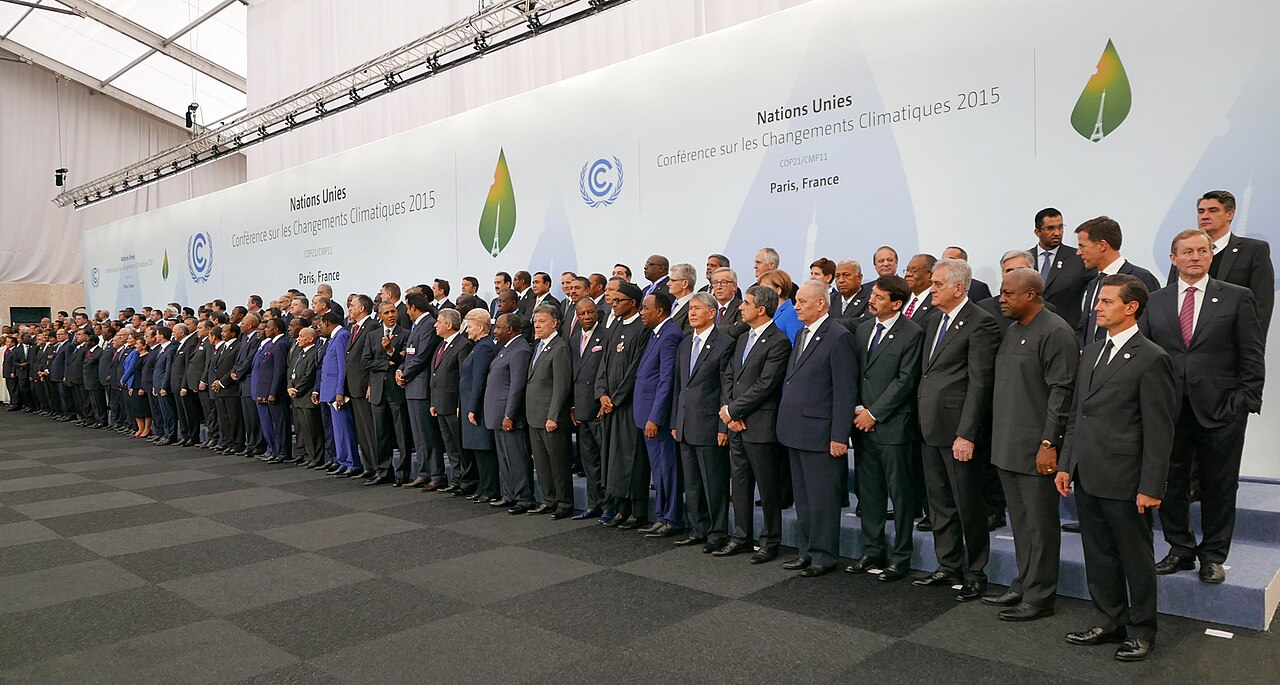
Climate change policy encompasses a broad range of strategies and regulations aimed at mitigating the effects of global warming. The Paris Agreement, signed in 2015 by 196 countries, is a landmark accord that sets a global goal to limit temperature rise to well below 2 degrees Celsius. However, the implementation of climate policies varies widely across nations, with some countries like Norway and Sweden leading the charge with ambitious carbon neutrality targets, while others like the United States have faced challenges in adopting a unified national approach. The controversy surrounding climate policy is evident in the debate between proponents of market-based mechanisms, such as carbon pricing, and those advocating for more stringent regulatory measures. According to the Intergovernmental Panel on Climate Change (IPCC), the window for taking decisive action to avoid the most catastrophic consequences of climate change is rapidly closing, with the IPCC warning that global emissions must be cut by 45% by 2030 to have any hope of meeting the Paris Agreement's goals. As the world grapples with the challenges of climate change, the development of effective and sustainable climate policies will be crucial in determining the course of human history, with influential figures like Greta Thunberg and organizations like the European Climate Foundation playing key roles in shaping the global conversation on climate action.
🌎 Introduction to Climate Change Policy
Climate change policy refers to the actions taken by governments, organizations, and individuals to reduce the impact of global warming and mitigate its effects on the environment. The politics of climate change is a complex issue, with different perspectives on how to respond to the crisis. At its core, climate change policy aims to reduce greenhouse gas emissions and transition to more sustainable energy sources. The Industrial Revolution marked a significant turning point in human history, with the widespread adoption of fossil fuels as the primary source of energy. However, this has resulted in a significant increase in greenhouse gas emissions, primarily due to the burning of coal, oil, and natural gas.
📍 Location & Global Impact
The impact of climate change is felt globally, with rising sea levels, more frequent natural disasters, and changes in weather patterns. The effects of climate change are not limited to the environment, as it also has significant implications for human health, economic development, and food security. The United Nations has recognized the urgent need for climate action, and has established the Sustainable Development Goals to address the crisis. The Paris Agreement is a key international agreement aimed at mitigating the effects of climate change, with nearly 200 countries committing to reduce their greenhouse gas emissions.
📊 Greenhouse Gas Emissions & Causes
Greenhouse gas emissions are the primary cause of global warming, and are driven largely by human activity. The burning of fossil fuels for energy, industrial processes such as cement production and steel production, and land use for agriculture and forestry are all significant contributors to greenhouse gas emissions. The carbon cycle plays a critical role in regulating the Earth's climate, and human activities have disrupted this cycle, leading to an increase in atmospheric carbon dioxide levels. The Intergovernmental Panel on Climate Change (IPCC) has warned that in order to limit global warming to 1.5°C above pre-industrial levels, greenhouse gas emissions must be reduced by 45% by 2030.
💡 Energy Sources & Economic Development
The use of fossil fuels has been the primary source of energy for economic and technological development since the Industrial Revolution. However, this has resulted in a significant increase in greenhouse gas emissions, and has led to widespread air pollution and water pollution. The transition to more sustainable energy sources, such as solar energy and wind energy, is critical to reducing greenhouse gas emissions and mitigating the effects of climate change. The renewable energy sector has experienced significant growth in recent years, with many countries investing heavily in the development of sustainable energy infrastructure.
🚫 Resistance to Climate Policy
Despite the urgent need for climate action, there is significant resistance to climate policy from various stakeholders. The fossil fuel industry has been a major obstacle to climate policy, as it has a significant vested interest in maintaining the status quo. The politicians and lobbyists who represent the interests of the fossil fuel industry have often blocked or watered down climate legislation, citing concerns about economic impact and job loss. However, the economic benefits of transitioning to a low-carbon economy far outweigh the costs, and many countries are now investing heavily in the development of green technology.
🌟 Scientific Consensus & Necessity
The scientific consensus on climate change is clear: human activities are causing the Earth's climate to warm, and this warming is having significant impacts on the environment, human health, and the economy. The Intergovernmental Panel on Climate Change (IPCC) has warned that in order to limit global warming to 1.5°C above pre-industrial levels, greenhouse gas emissions must be reduced by 45% by 2030. The National Oceanic and Atmospheric Administration (NOAA) has also warned that the consequences of inaction will be severe, with more frequent and intense heat waves, droughts, and storms. The climate science community has come together to emphasize the urgent need for climate action, and to provide policymakers with the information they need to make informed decisions.
🤝 International Cooperation & Agreements
International cooperation is critical to addressing the global challenge of climate change. The United Nations has played a key role in facilitating international cooperation on climate change, and has established the United Nations Framework Convention on Climate Change (UNFCCC) to provide a framework for international action. The Paris Agreement is a key international agreement aimed at mitigating the effects of climate change, with nearly 200 countries committing to reduce their greenhouse gas emissions. The Conference of the Parties (COP) is the supreme decision-making body of the UNFCCC, and meets annually to review progress and set new targets for climate action.
📈 Climate Change Policy Comparison
There are many different approaches to climate change policy, and each has its own strengths and weaknesses. The carbon pricing approach, which involves placing a price on carbon emissions, has been implemented in many countries, including Sweden and Canada. The renewable portfolio standard approach, which requires utilities to generate a certain percentage of their electricity from renewable sources, has been implemented in many states in the United States. The green infrastructure approach, which involves investing in green infrastructure such as green roofs and urban forestry, has been implemented in many cities around the world.
👥 Key Players & Stakeholders
There are many key players and stakeholders involved in climate change policy, including governments, businesses, civil society, and individuals. The United Nations has played a key role in facilitating international cooperation on climate change, and has established the United Nations Framework Convention on Climate Change (UNFCCC) to provide a framework for international action. The Intergovernmental Panel on Climate Change (IPCC) has provided critical scientific advice to policymakers, and has warned of the urgent need for climate action. The fossil fuel industry has been a major obstacle to climate policy, as it has a significant vested interest in maintaining the status quo.
📊 Practical Tips for Individuals & Organizations
There are many practical steps that individuals and organizations can take to reduce their greenhouse gas emissions and contribute to climate change mitigation. The reducing energy consumption approach, which involves reducing energy consumption through the use of energy efficient appliances and insulation, is a critical step. The using renewable energy approach, which involves using renewable energy sources such as solar energy and wind energy, is also critical. The eating a plant-based diet approach, which involves reducing meat consumption and eating a plant-based diet, can also help to reduce greenhouse gas emissions.
📞 Getting Started with Climate Change Policy
Getting started with climate change policy involves taking a number of key steps. The first step is to learn about climate change and the impacts it is having on the environment, human health, and the economy. The second step is to reduce your own greenhouse gas emissions by taking practical steps such as reducing energy consumption, using renewable energy, and eating a plant-based diet. The third step is to get involved in climate policy by contacting your elected representatives, participating in climate protests, and supporting organizations that are working to address climate change.
Key Facts
- Year
- 2015
- Origin
- Paris, France
- Category
- Environmental Policy
- Type
- Policy Initiative
Frequently Asked Questions
What is climate change policy?
Climate change policy refers to the actions taken by governments, organizations, and individuals to reduce the impact of global warming and mitigate its effects on the environment. The politics of climate change is a complex issue, with different perspectives on how to respond to the crisis. At its core, climate change policy aims to reduce greenhouse gas emissions and transition to more sustainable energy sources.
What are the causes of climate change?
The causes of climate change are complex and multifaceted. The burning of fossil fuels for energy, industrial processes such as cement production and steel production, and land use for agriculture and forestry are all significant contributors to greenhouse gas emissions. The carbon cycle plays a critical role in regulating the Earth's climate, and human activities have disrupted this cycle, leading to an increase in atmospheric carbon dioxide levels.
What are the impacts of climate change?
The impacts of climate change are far-reaching and devastating. Rising sea levels, more frequent natural disasters, and changes in weather patterns are all having significant impacts on the environment, human health, and the economy. The consequences of inaction will be severe, with more frequent and intense heat waves, droughts, and storms.
What can individuals do to reduce their greenhouse gas emissions?
There are many practical steps that individuals can take to reduce their greenhouse gas emissions and contribute to climate change mitigation. Reducing energy consumption, using renewable energy, and eating a plant-based diet are all critical steps. Individuals can also get involved in climate policy by contacting their elected representatives, participating in climate protests, and supporting organizations that are working to address climate change.
What is the role of international cooperation in addressing climate change?
International cooperation is critical to addressing the global challenge of climate change. The United Nations has played a key role in facilitating international cooperation on climate change, and has established the United Nations Framework Convention on Climate Change (UNFCCC) to provide a framework for international action. The Paris Agreement is a key international agreement aimed at mitigating the effects of climate change, with nearly 200 countries committing to reduce their greenhouse gas emissions.
What are the economic benefits of transitioning to a low-carbon economy?
The economic benefits of transitioning to a low-carbon economy are significant. The transition to a low-carbon economy can create jobs, stimulate economic growth, and reduce the economic risks associated with climate change. The cost of transitioning to a low-carbon economy is also decreasing, with the cost of renewable energy sources such as solar and wind energy decreasing dramatically in recent years.
What is the role of climate science in informing climate policy?
Climate science plays a critical role in informing climate policy. The Intergovernmental Panel on Climate Change (IPCC) has provided critical scientific advice to policymakers, and has warned of the urgent need for climate action. The IPCC has also provided guidance on the impacts of climate change, and has identified the most effective strategies for reducing greenhouse gas emissions.