
Contents
Overview
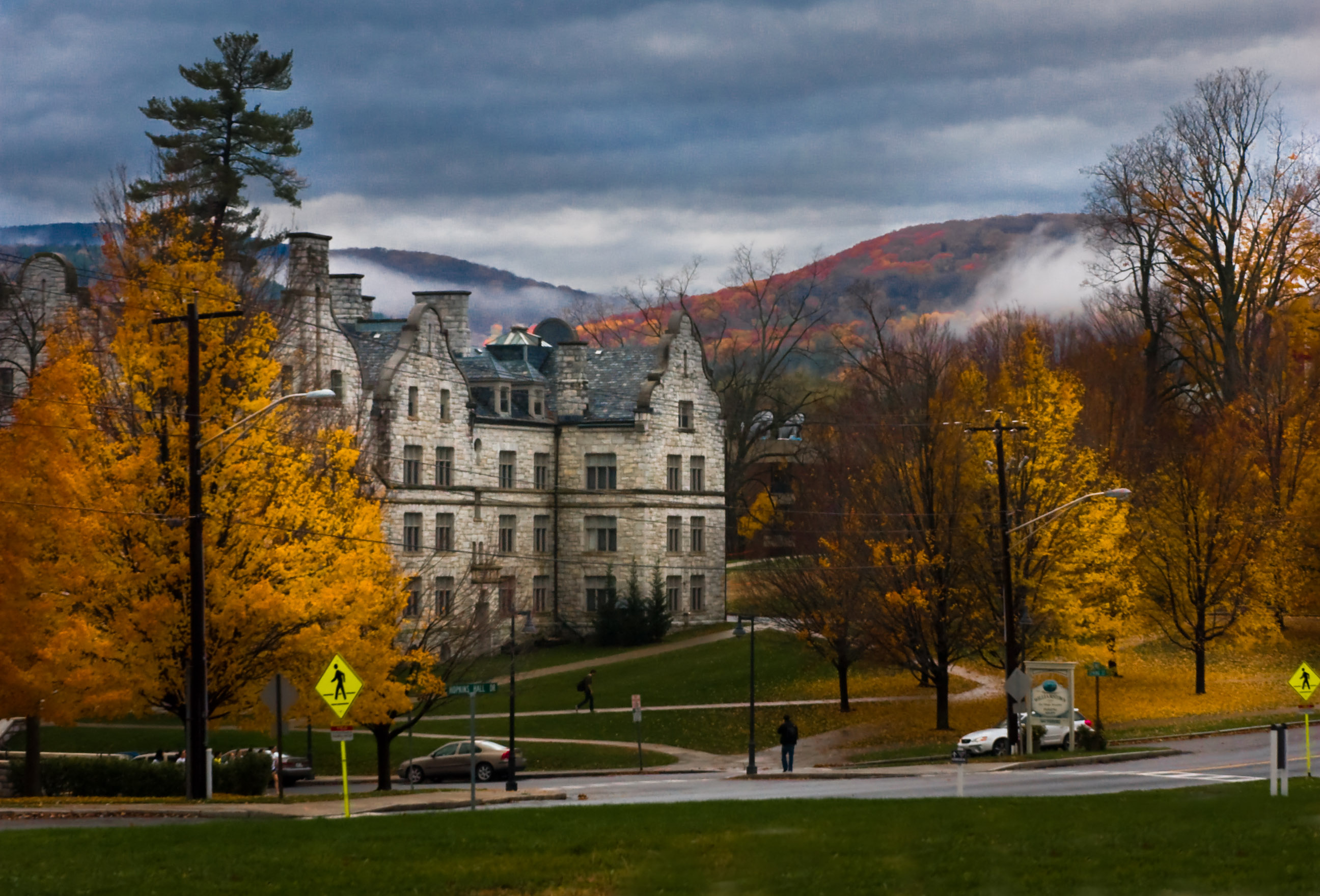
Colleges, in their myriad forms, represent the bedrock of higher learning and specialized training across the globe. Historically, they evolved from monastic schools and philosophical academies, serving as centers for knowledge transmission and intellectual discourse. Today, the term encompasses a vast spectrum: from constituent parts of collegiate universities like Oxford's Balliol College, to independent liberal arts institutions in the United States such as Williams College, to vocational training centers and community colleges. Their primary function remains to equip students with advanced knowledge, critical thinking skills, and professional competencies, often culminating in academic degrees. The global landscape of colleges is incredibly diverse, with varying admission standards, pedagogical approaches, and societal roles, reflecting distinct cultural and economic priorities.
🎵 Origins & History
The concept of a college, a community of scholars, traces its lineage back to ancient Greece with Plato's Academy and Aristotle's Lyceum, though these were more philosophical schools than formal institutions. The medieval period saw the rise of collegiate structures within universities, notably at the University of Paris and University of Oxford starting in the 13th century, where colleges provided residential and academic support. Early American colleges, such as Harvard University and Yale University, were initially founded to train clergy, reflecting the religious underpinnings of early colonial society. The evolution from these religiously affiliated, often elite institutions to the diverse array of public and private colleges seen today is a testament to shifting societal needs and educational philosophies.
⚙️ How It Works
At its core, a college functions by organizing knowledge into academic disciplines and delivering it through structured curricula. Colleges employ faculty, often holding advanced degrees in their fields, to teach and conduct research. Administrative staff manage operations, admissions, student services, and finances. Many colleges also foster a campus community, offering extracurricular activities, residential life, and career services to support student development beyond academics. The accreditation process, overseen by bodies like the Higher Learning Commission, ensures that colleges meet certain quality standards.
📊 Key Facts & Numbers
The global higher education market is immense, with colleges forming a significant portion of this ecosystem. The global higher education market is projected to reach over $10 trillion by 2025, underscoring the immense economic scale of colleges and universities worldwide.
👥 Key People & Organizations
Key figures in the history of colleges include founders like John Harvard, whose bequest established Harvard University. Prominent organizations that shape the college landscape include the Association of American Universities (AAU), representing leading research universities, and the College Board, which administers standardized tests like the SAT and AP Exams crucial for admissions. Institutions like Stanford University and MIT are consistently ranked among the top global research institutions, attracting billions in research funding annually. The National Education Association also plays a significant role in advocating for educators within the college system.
🌍 Cultural Impact & Influence
Colleges have profoundly shaped global culture by producing educated citizens, fostering innovation, and driving social change. They are crucibles for new ideas, from scientific breakthroughs at institutions like Caltech to artistic movements incubated in art colleges. The collegiate experience itself has become a cultural touchstone, influencing literature, film, and popular imagination, often depicted in media ranging from The Social Network to Animal House. Graduates of colleges populate leadership positions across all sectors, influencing policy, business, and the arts. The very concept of a liberal arts education, emphasizing broad knowledge and critical thinking, has its roots in the collegiate model, impacting how societies value intellectual development.
⚡ Current State & Latest Developments
The current landscape of colleges is marked by rapid technological integration and evolving student needs. Online learning platforms, accelerated by the COVID-19 pandemic, have become mainstream, with institutions like Western Governors University pioneering competency-based online degrees. There's a growing emphasis on skills-based training and micro-credentials to meet the demands of a dynamic job market, challenging the traditional four-year degree model. Universities are also increasingly focused on interdisciplinary research and global partnerships, exemplified by initiatives like the University of California system's extensive international collaborations. The debate over the value and affordability of higher education continues to drive innovation and reform efforts.
🤔 Controversies & Debates
The cost of college tuition remains a significant point of contention, with student debt reaching unprecedented levels. Critics question whether the return on investment for many degrees justifies the financial burden, leading to debates about the role of government funding and institutional accountability. Another controversy surrounds admissions practices, particularly affirmative action policies and legacy admissions, which critics argue perpetuate inequality. The increasing reliance on standardized testing, like the SAT and ACT, also faces scrutiny for potential biases. Furthermore, the academic freedom of professors and the curriculum's content are frequent battlegrounds, especially in politically charged environments.
🔮 Future Outlook & Predictions
The future of colleges will likely involve greater personalization and flexibility. Expect a continued rise in hybrid learning models, integrating online and in-person experiences, and a proliferation of alternative credentials like bootcamps and stackable certificates offered by entities like Coursera and Udemy. Colleges may increasingly partner with industry leaders, such as Google or Microsoft, to develop curricula directly aligned with workforce needs. Predictive analytics could play a larger role in student success, identifying at-risk students and tailoring interventions. There's also speculation that some traditional institutions might consolidate or pivot towards more specialized, vocational offerings to remain competitive, while others will double down on research and elite status.
💡 Practical Applications
Colleges serve a multitude of practical applications, from vocational training for skilled trades at institutions like New York Institute of Technology to advanced scientific research at places like Princeton University. They are engines of economic development, producing graduates who fill critical roles in healthcare, technology, education, and government. Many colleges also function as community hubs, offering public lectures, cultural events, and access to specialized facilities like libraries and laboratories. For individuals, attending college is often seen as a pathway to upward mobility, increased earning potential, and personal growth. The research conducted at colleges leads to innovations in medicine, technology, and environmental science, directly benefiting society.
Key Facts
- Category
- education
- Type
- topic