
Contents
Overview
The concept of Complementary and Alternative Medicine (CAM) has evolved significantly, with roots in traditional healing systems from around the world. While conventional Western medicine, often referred to as allopathic or biomedicine, relies on scientifically validated treatments like pharmaceuticals and surgery, CAM draws from practices such as Ayurveda, Traditional Chinese Medicine, and various mind-body techniques. The distinction between 'complementary' and 'alternative' is crucial: complementary therapies are used in conjunction with conventional medicine, while alternative therapies are used instead of it. Integrative medicine, a related concept, seeks to combine the best of both worlds, emphasizing a coordinated approach that addresses the patient's mental, physical, and spiritual well-being, as seen in the work of institutions like the National Center for Complementary and Integrative Health (NCCIH) and Mayo Clinic.
⚙️ How It Works
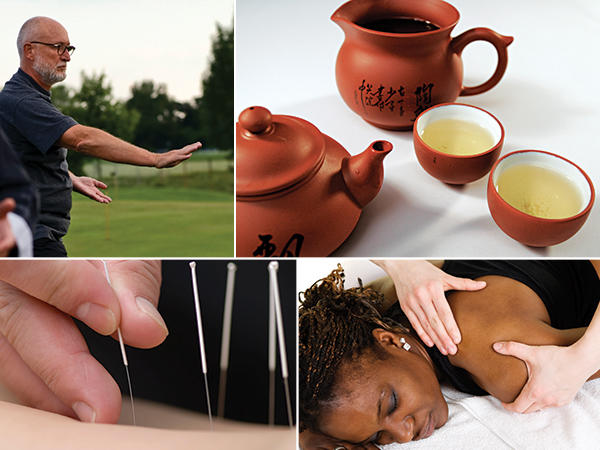
CAM therapies are broadly categorized into several domains, including mind-body therapies (meditation, yoga, biofeedback), biologically based practices (herbal remedies, dietary supplements), manipulative and body-based methods (massage, chiropractic, acupuncture), and energy therapies (Reiki, therapeutic touch). These practices often focus on the interconnectedness of the mind and body, aiming to support the body's natural healing processes. For instance, yoga and meditation are recognized for their stress-reducing benefits, while acupuncture is used to alleviate pain and side effects of conventional treatments. The effectiveness of many CAM therapies is still under investigation, with ongoing research by organizations like the National Institutes of Health (NIH) and Johns Hopkins Medicine aiming to provide evidence-based insights.
🌍 Cultural Impact
The use of CAM is widespread, with a significant portion of the population in countries like the U.S. and UK utilizing these approaches. This trend is driven by a desire for more personalized care, a holistic approach to health, and sometimes dissatisfaction with conventional medicine's limitations, as noted in studies published in JAMA. Cultural beliefs and personal values also play a significant role in the adoption of CAM, with practices often integrated into daily life. While some CAM therapies, like acupuncture and yoga, are increasingly accepted and even integrated into mainstream healthcare settings, others remain on the fringes, prompting ongoing debate about their efficacy and regulation, as discussed by the NHS and cancer.gov.
🔮 Legacy & Future
The future of CAM lies in its integration with conventional medicine, moving towards an evidence-based approach that prioritizes patient safety and well-being. As research continues to validate the effectiveness of certain CAM therapies, their role in healthcare is likely to expand. This evolution is supported by initiatives that promote dialogue between healthcare providers and patients, encouraging informed decision-making. The ongoing exploration of CAM by institutions like the University of Maryland Health Sciences & Human Services Library and the National Center for Complementary and Integrative Health (NCCIH) is crucial for advancing our understanding and ensuring responsible application of these diverse healing practices.
Key Facts
- Year
- Ancient to Present
- Origin
- Global
- Category
- science
- Type
- concept
Frequently Asked Questions
What is the main difference between complementary and alternative medicine?
Complementary medicine is used alongside conventional medical treatments, while alternative medicine is used instead of conventional medical treatments. Integrative medicine combines both approaches.
What are some common types of CAM therapies?
Common CAM therapies include mind-body practices like meditation and yoga, biologically based practices like herbal remedies and dietary supplements, manipulative and body-based methods such as massage and acupuncture, and energy therapies like Reiki.
Is CAM scientifically proven?
The scientific evidence for CAM therapies varies. Some, like acupuncture and yoga, have growing evidence supporting their effectiveness for specific conditions. However, many CAM therapies still require more rigorous research to establish their efficacy and safety.
Can CAM be used for serious health conditions like cancer?
CAM can be used to help manage side effects of cancer treatments, improve comfort, and support overall well-being. However, it is generally not recommended as a sole treatment for cancer, and patients should always consult with their oncologist before using any CAM therapies.
Are CAM therapies safe?
While many CAM therapies are considered safe, 'natural' does not always mean safe. Herbal supplements can interact with medications or have side effects. It is crucial to discuss any CAM therapies with a healthcare provider to ensure they are safe and appropriate for your individual health needs.
References
- cancer.gov — /about-cancer/treatment/cam
- nhs.uk — /tests-and-treatments/complementary-and-alternative-medicine/
- ncbi.nlm.nih.gov — /books/NBK518811/
- hopkinsmedicine.org — /health/wellness-and-prevention/types-of-complementary-and-alternative-medicine
- guides.hshsl.umaryland.edu — /cam
- my.clevelandclinic.org — /health/articles/16883-complementary-therapy
- nccih.nih.gov — /health/complementary-alternative-or-integrative-health-whats-in-a-name
- pmc.ncbi.nlm.nih.gov — /articles/PMC2754854/