
Contents
Overview
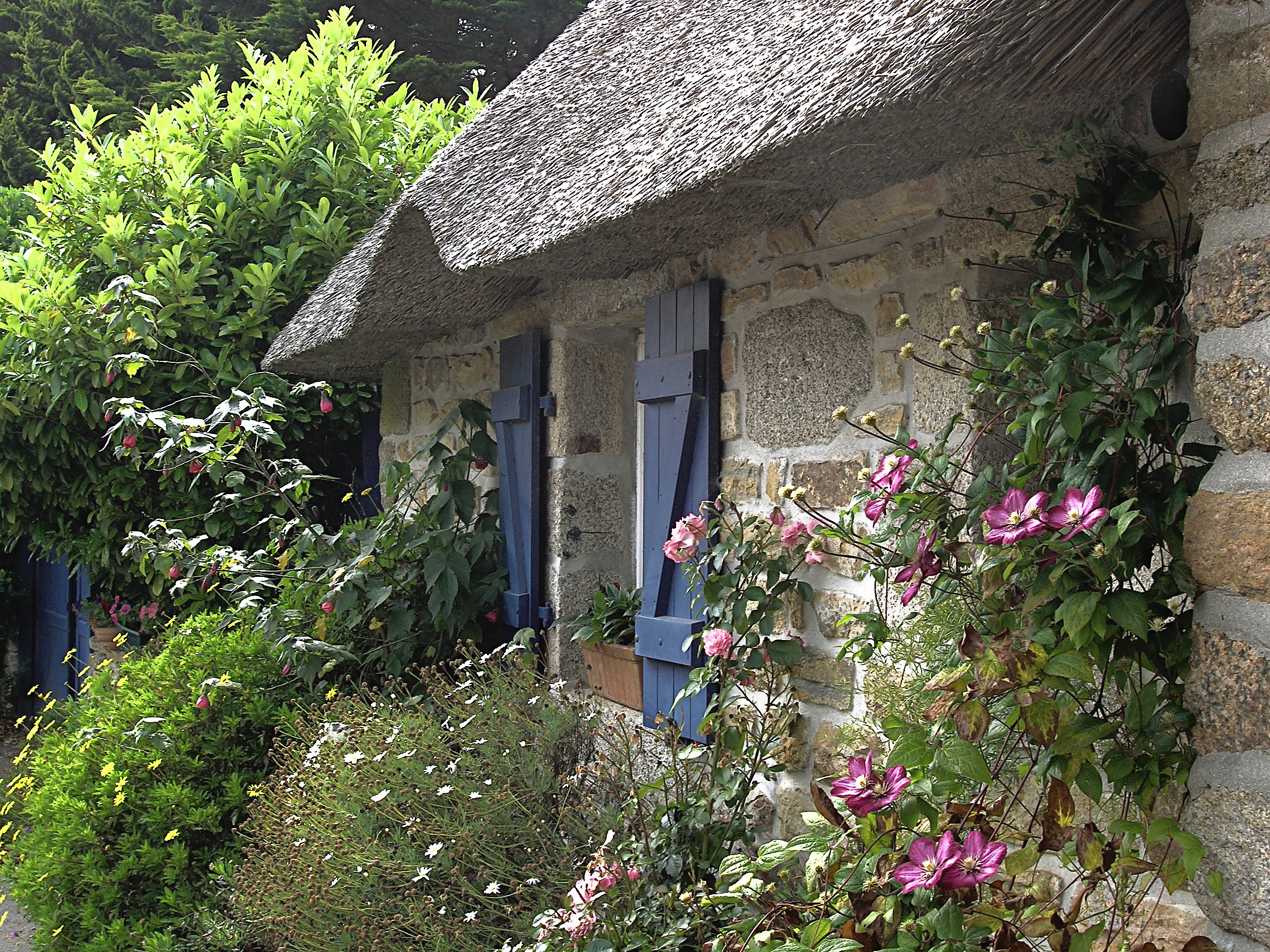
The cottage garden, as a distinct aesthetic, truly took root in England during the latter half of the 19th century, specifically around the 1870s. This period saw a burgeoning middle class and a romanticized view of rural life, which fueled a desire for gardens that echoed the perceived simplicity and charm of historical peasant dwellings. Precursors can be found in the utilitarian gardens of medieval and Tudor cottages, which were primarily focused on sustenance, growing vegetables, herbs, and a few hardy flowers for medicinal or culinary purposes. However, the deliberate stylistic reinvention occurred as a direct counterpoint to the prevailing formal garden designs of large estates, such as those influenced by Lancelot 'Capability' Brown's sweeping landscapes and the geometric precision of French formal gardens. Key figures like Gertrude Jekyll and William Robinson championed this informal approach, advocating for a more naturalistic, densely planted style that celebrated a wide variety of plants, including many native species and heirloom varieties, moving away from the rigid parterres and clipped hedges of the era.
⚙️ How It Works
The essence of a cottage garden lies in its deliberate informality and abundance. Unlike formal gardens that rely on symmetry, straight lines, and open spaces, cottage gardens embrace curves, winding paths, and a sense of delightful chaos. Plantings are typically dense, creating a lush, overflowing effect where different species intermingle freely. This density helps suppress weeds and creates microclimates beneficial to many plants. A hallmark is the mix of plants: vegetables like kale and runner beans grow alongside flowers such as hollyhocks, delphiniums, and roses. Fruit trees, berry bushes, and even herbs like lavender and rosemary are integral components, reflecting the garden's historical role as a source of food and remedies. Traditional materials like brick, stone, and weathered wood are favored for pathways, walls, and structures, further enhancing the rustic aesthetic. The overall effect is one of organic growth and natural beauty, a stark contrast to the controlled environments of more structured garden designs.
📊 Key Facts & Numbers
While precise historical data is scarce, the number of dedicated cottage garden societies and online communities now numbers in the thousands globally, with millions of active participants.
👥 Key People & Organizations
The revival and popularization of the cottage garden style are largely attributed to influential figures like William Robinson, whose 1870 book "The Wild Garden" advocated for a less formal approach, and Gertrude Jekyll, a prolific garden designer and writer whose collaborations with architect Edwin Lutyens showcased the style's potential. Other key proponents include Vita Sackville-West, whose Sissinghurst Castle Garden, though grander, incorporated many cottage garden principles, and Margery Fish, whose East Lambrook Manor garden in Somerset became a pilgrimage site for lovers of informal planting. Organizations like the Royal Horticultural Society (RHS) have played a crucial role in promoting and educating the public about cottage garden principles through their shows and publications. Contemporary garden designers continue to draw inspiration from these pioneers, adapting the style for modern contexts.
🌍 Cultural Impact & Influence
The cottage garden has had a profound influence on landscape design and popular culture, fostering a widespread appreciation for informal, nature-inspired gardening. It democratized gardening, making beautiful and productive spaces accessible to those without vast estates or professional horticultural staff. This style has permeated media, appearing in countless books, films, and television programs that romanticize rural life and idyllic settings, such as the gardens depicted in period dramas set in the English countryside. Its emphasis on biodiversity and the use of heirloom varieties has also contributed to broader conservation efforts for heritage plants. The aesthetic has inspired other design movements, including the 'New Perennial Movement,' which shares the cottage garden's love for naturalistic, flowing plantings and a wide palette of textures and colors, albeit often with a more contemporary edge. The enduring appeal of the cottage garden lies in its ability to evoke feelings of nostalgia, comfort, and connection to nature.
⚡ Current State & Latest Developments
In the 21st century, cottage gardens remain immensely popular, adapting to contemporary challenges like climate change and smaller urban spaces. Garden centers and online nurseries report sustained demand for traditional cottage garden plants, with heirloom varieties experiencing a resurgence. There's a growing trend towards incorporating more native plants into cottage garden designs, enhancing their ecological value and reducing maintenance. Furthermore, the rise of social media platforms like Instagram and Pinterest has created vibrant online communities where enthusiasts share inspiration, tips, and photos of their cottage gardens, driving new interpretations and popularizing specific plant combinations. Many botanical gardens and historic houses, such as Hidcote Manor Garden and Sissinghurst Castle Garden, continue to maintain and showcase exemplary cottage garden designs, attracting hundreds of thousands of visitors annually. The ongoing interest suggests the cottage garden is far from a historical relic, but a living, evolving style.
🤔 Controversies & Debates
One of the primary debates surrounding cottage gardens centers on their perceived labor intensity. While often romanticized as effortless, the dense planting and variety of species can require significant weeding, deadheading, and pest management. Critics sometimes argue that the informal style can appear messy or unkempt if not properly maintained, leading to disagreements about the line between charming informality and neglect. Another point of contention is the balance between ornamental and edible plants; some purists insist on a strong emphasis on vegetables and herbs, while others prioritize flowers for aesthetic appeal. The use of non-native or invasive species, while historically common, is increasingly scrutinized in light of modern ecological awareness, prompting discussions about sustainable plant choices within the cottage garden framework. The definition itself is also fluid, with some arguing that many modern interpretations stray too far from the original utilitarian roots.
🔮 Future Outlook & Predictions
The future of cottage gardens appears robust, with continued adaptation to modern needs and environmental concerns. Expect to see a greater integration of sustainable practices, such as rainwater harvesting and composting, becoming standard. The trend towards 'foodscaping' – blending edible and ornamental plants more artfully – will likely deepen, further blurring the lines between traditional cottage gardens and modern edible landscapes. Advances in plant breeding may introduce new varieties that are more disease-resistant, drought-tolerant, or offer extended blooming periods, enhancing the practicality of the style. Furthermore, the influence of global garden design trends, such as the incorporation of elements from Mediterranean or prairie styles, may lead to hybrid cottage garden
Key Facts
- Category
- aesthetics
- Type
- topic