
Contents
Overview
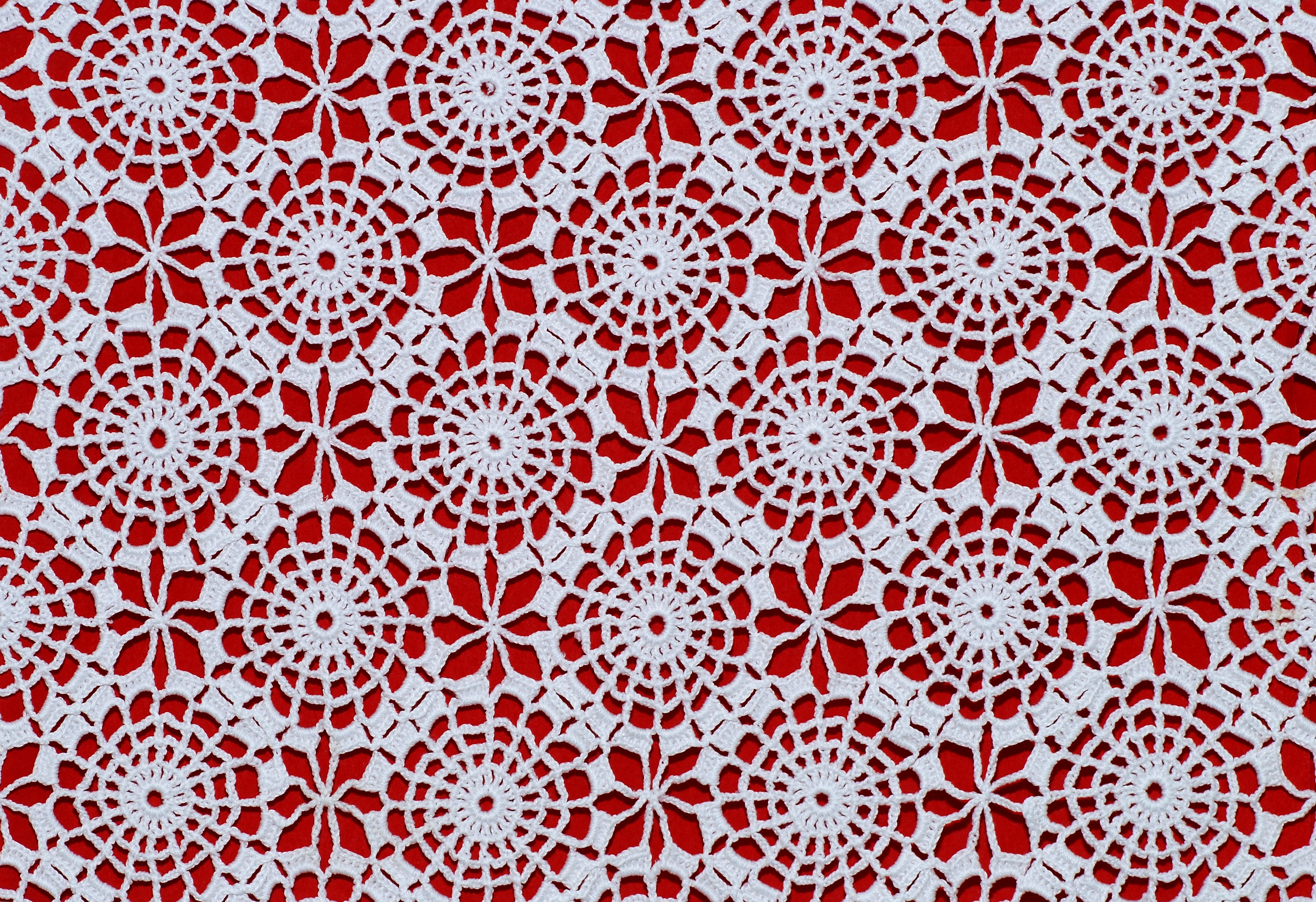
Crocheting is a textile creation technique that utilizes a specialized hook to interlock loops of yarn, thread, or other fibrous materials. Unlike knitting, where multiple stitches remain active simultaneously, each crochet stitch is typically completed before the next is formed, though variations like Tunisian crochet and broomstick lace do retain multiple active loops. This method allows for the creation of a vast array of fabrics, from dense, warm garments to delicate, airy lace, making it a versatile craft with deep historical roots. Originating likely in the Middle East or Asia, the practice gained significant traction in Europe during the 19th century, evolving into a global phenomenon that spans both functional craft and artistic expression. Today, crocheting continues to thrive, fueled by online communities, modern design aesthetics, and a renewed appreciation for handmade goods.
🎵 Origins & History
The precise origins of crocheting are shrouded in a delightful mystery, with theories pointing to ancient textile traditions in the Middle East, South America, or even China, where hook-based needlework might have existed for millennia. The form we recognize today likely emerged in Europe, with strong evidence suggesting its popularization in the 19th century. Early forms of what is now called crochet may have been known as 'shepherd's knitting' or 'nun's knitting,' suggesting a humble, perhaps pastoral, beginning. By the 1800s, French magazines began publishing patterns for 'crochet,' a term derived from the Old French word 'crochet,' meaning 'small hook.'
⚙️ How It Works
At its heart, crocheting is a process of building fabric one loop at a time. The crocheter manipulates a single hook, typically made of metal, wood, or plastic, to draw loops of yarn through other loops. The fundamental stitches include the chain stitch (ch), single crochet (sc), half double crochet (hdc), double crochet (dc), and treble crochet (tc), each creating a different height and density of fabric. The hook's size, ranging from minuscule steel hooks for lace to large wooden ones for chunky yarns, dictates the size of the loops and the resulting fabric. Unlike knitting, which maintains a row of active stitches on a needle, most crochet techniques complete each stitch before moving to the next, allowing for greater control and the creation of three-dimensional shapes. Specialized techniques like Tunisian crochet and broomstick lace do involve holding multiple loops on the hook simultaneously, blurring the lines with other fiber arts.
📊 Key Facts & Numbers
The global crocheting market is substantial. This growth is fueled by a burgeoning demand for handmade apparel and home decor, with yarn sales alone accounting for a significant portion of the craft industry. The rise of online marketplaces like Etsy has facilitated the sale of crocheted goods.
👥 Key People & Organizations
While crocheting is largely a solitary pursuit, certain individuals and organizations have significantly shaped its practice and perception. Pioneers like Eleanor Stanton, an Irish designer who championed crochet during the famine, played a crucial role in its economic and social impact. In the modern era, designers such as Kaitlyn Burke and Zoe Potrac have pushed the boundaries of crochet art, showcasing it in high fashion and gallery settings. Online platforms like Ravelry and numerous YouTube channels hosted by creators like TLYarnCrafts and HopeBwell have become vital hubs for pattern sharing, tutorials, and community building, reaching millions of enthusiasts worldwide. Organizations like the Craft Yarn Council also play a role in promoting fiber arts and setting industry standards.
🌍 Cultural Impact & Influence
Crocheting's influence extends far beyond mere textile production, weaving itself into the fabric of global culture. Crocheting has experienced a significant resurgence, driven by the 'maker movement' and a desire for tactile, mindful activities in an increasingly digital world. It's a prominent feature in fashion, with designers like Jonathan Simkhai and Simone Rocha incorporating intricate crochet elements into their collections. Furthermore, crocheted items have become potent symbols of comfort, nostalgia, and personal expression, appearing in everything from viral TikTok trends to art installations that challenge perceptions of craft.
⚡ Current State & Latest Developments
The current landscape of crocheting is vibrant and dynamic. The rise of 'crochet influencers' on platforms like Instagram and TikTok has democratized pattern design and inspired millions with innovative techniques and aesthetics. We're seeing a surge in the popularity of amigurumi (Japanese stuffed toy crocheting), intricate lace designs, and sustainable crocheting practices utilizing recycled or natural fibers. Major yarn manufacturers like Lion Brand Yarn and Garnstudio (Drops Design) are continuously innovating with new fiber blends and colorways. Online learning platforms and virtual workshops have made mastering complex stitches and projects more accessible than ever, fostering a global community that transcends geographical boundaries.
🤔 Controversies & Debates
Despite its widespread appeal, crocheting isn't without its debates. A persistent controversy revolves around the perceived hierarchy of crafts, with crochet sometimes being dismissed as less sophisticated or 'crafty' compared to knitting, a bias often rooted in historical gender roles and the industrialization of textiles. The environmental impact of yarn production, particularly synthetic fibers, is another growing concern, leading to discussions about sustainable sourcing and biodegradable materials. Furthermore, the issue of intellectual property for crochet patterns is a constant point of contention, with designers struggling to protect their work from unauthorized reproduction and mass production, a problem exacerbated by the ease of digital sharing on platforms like Pinterest.
🔮 Future Outlook & Predictions
The future of crocheting appears exceptionally bright, poised for continued innovation and broader acceptance as an art form. We can anticipate a greater integration of technology, perhaps through 3D-printed crochet hooks or augmented reality pattern guides. Expect to see more experimental materials, including bio-engineered yarns and upcycled textiles, becoming mainstream. The lines between craft and high art will likely continue to blur, with more crocheters exhibiting in galleries and museums. Furthermore, as the demand for sustainable and ethically produced goods grows, crocheting's inherent connection to slow-fashion and handmade quality will only increase its relevance, potentially leading to new economic models for artisans and a deeper appreciation for the skill involved.
💡 Practical Applications
Crocheting's practical applications are as diverse as the stitches themselves. It's widely used to create functional items like warm clothing (sweaters, hats, scarves), blankets, and home decor (cushions, rugs). In the realm of fashion, it's employed for intricate garments, accessories like bags and jewelry, and decorative edgings. Amigurumi, the art of crocheting small stuffed creatures, is a massive sub-genre with dedicated fan bases. Beyond these, crocheting finds use in therapeutic settings, aiding in stress reduction and fine motor skill development. It's also utilized in niche areas like creating protective coverings for delicate equipment or even in some forms of medical rehabilitation.
Key Facts
- Category
- culture
- Type
- topic