
Contents
- 🎨 Origins & History
- 📚 Key Works & Authors
- 👥 Key Figures & Influences
- 🌍 Cultural Impact & Legacy
- 📊 Critical Reception & Controversy
- 🔮 Evolution & Influence on Modernism
- 🤔 Criticisms & Challenges
- 📚 Related Movements & Literary Trends
- 💡 Practical Applications & Contemporary Relevance
- 📊 Timeline & Chronology
- Frequently Asked Questions
- References
- Related Topics
Overview
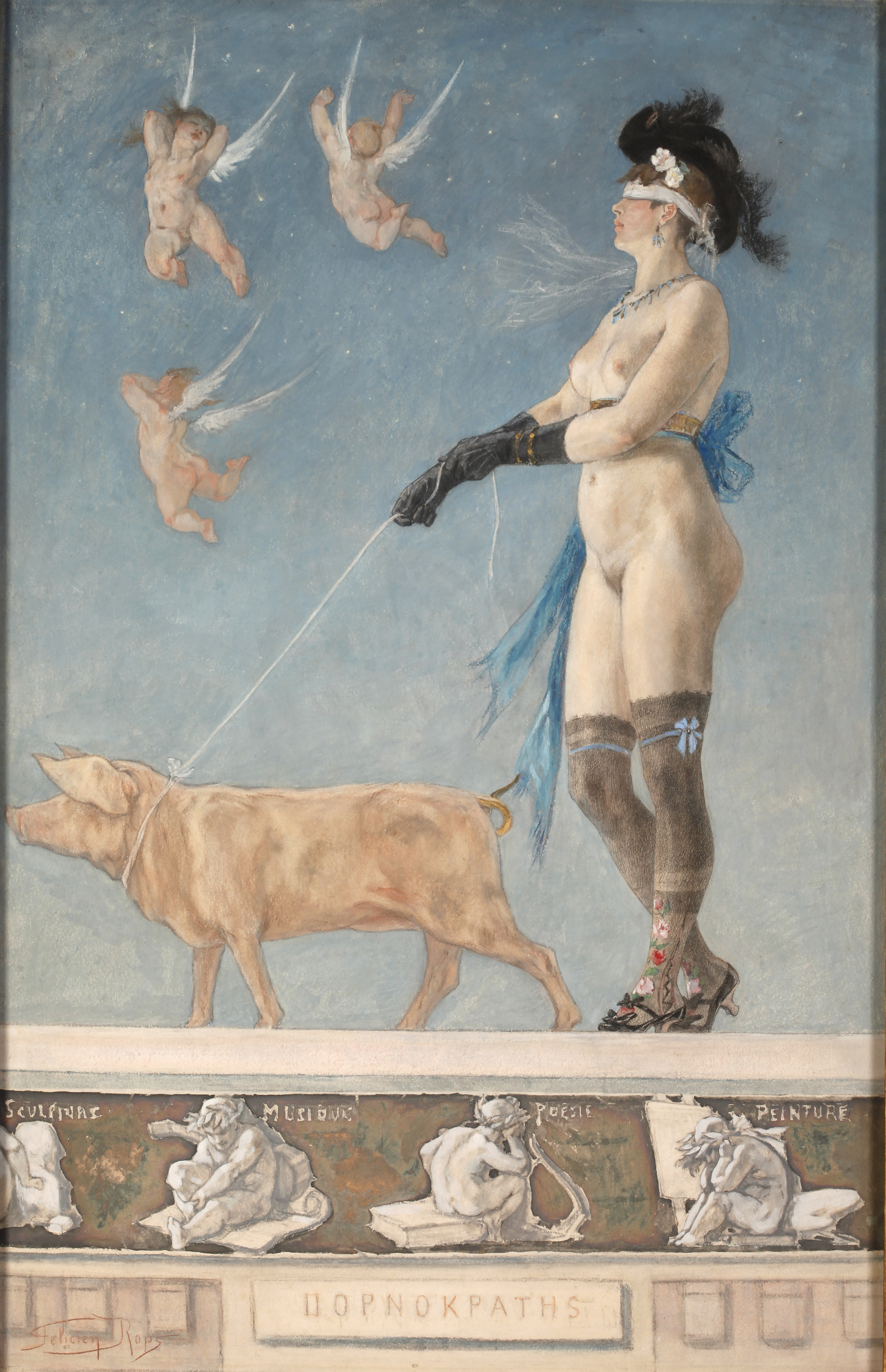
The Decadent movement, emerging in late 19th-century Western Europe, particularly in France, was an artistic and literary phenomenon that celebrated excess, artificiality, and the supremacy of human fantasy over logic and nature. Characterized by its aesthetic ideology of hedonism and a rejection of traditional values, the movement influenced literature, art, and culture, leaving a lasting impact on modernism and subsequent avant-garde movements. With key figures such as Charles Baudelaire, Oscar Wilde, and Joris-Karl Huysmans, the Decadent movement flourished in the midst of societal change, challenging conventional norms and paving the way for future artistic revolutions. The movement's emphasis on individualism, sensuality, and the beauty of decay resonated with a generation disillusioned with the strictures of Victorian morality and the rise of industrialization. As the movement spread across Europe and to the United States, it encountered both fervent admiration and vehement criticism, reflecting the deep divisions within society regarding the role of art and the nature of beauty. Today, the Decadent movement is recognized as a pivotal moment in the evolution of modern art and literature, its influence visible in everything from Symbolism to Surrealism, and its themes of rebellion, nonconformity, and the pursuit of beauty continuing to inspire artists and writers around the world.
🎨 Origins & History
The Decadent movement, with its roots in the French décadence, or 'decay,' emerged as a response to the perceived monotony and conformity of Victorian society. It was heavily influenced by the works of Charles Baudelaire, particularly his collection of poems 'Les Fleurs du Mal,' which explored themes of beauty, decay, and the human condition. The movement gained momentum with the publication of Joris-Karl Huysmans' novel 'Against Nature,' a seminal work that embodied the Decadent ideals of aesthetic hedonism and the pursuit of individual pleasure. As the movement spread, it attracted figures such as Oscar Wilde, whose wit, humor, and aesthetic sensibilities made him a leading figure in the London branch of the Decadent movement.
👥 Key Figures & Influences
Key figures of the Decadent movement included Charles Baudelaire, Oscar Wilde, Joris-Karl Huysmans, and Ernest Dowson, among others. These individuals, through their writings and public personas, embodied the spirit of the movement, challenging societal norms and advocating for the pursuit of beauty and individual pleasure. Their influence extended beyond the literary world, with the movement's emphasis on aestheticism and hedonism impacting the development of art, fashion, and culture. The Decadent movement also drew inspiration from earlier literary and artistic movements, such as Romanticism and Symbolism, and its legacy can be seen in the works of later movements, including Surrealism and Modernism.
🌍 Cultural Impact & Legacy
The Decadent movement had a profound impact on culture and society, challenging traditional values and paving the way for future artistic and literary movements. The movement's emphasis on individualism, sensuality, and the beauty of decay resonated with a generation disillusioned with the strictures of Victorian morality and the rise of industrialization. The movement's influence can be seen in the works of later authors, such as Virginia Woolf and James Joyce, who continued to explore the themes of individualism, morality, and the human condition. The Decadent movement also influenced the development of art, with the movement's emphasis on sensuality and the sublime reflected in the works of artists such as Edvard Munch and Egon Schiele.
📊 Critical Reception & Controversy
The Decadent movement was not without its critics, with many viewing the movement as a manifestation of societal decay and moral corruption. The movement's emphasis on hedonism and individual pleasure was seen as a threat to traditional values and social norms, and its exploration of themes such as death, decay, and the supernatural was viewed with suspicion and distrust. Despite these criticisms, the Decadent movement continued to evolve and influence the development of modern art and literature, with its legacy visible in the works of later movements, including Surrealism and Modernism. The movement's influence can also be seen in the development of popular culture, with the movement's themes of rebellion, nonconformity, and the pursuit of beauty continuing to inspire artists and writers around the world.
🔮 Evolution & Influence on Modernism
The Decadent movement's influence on modernism was profound, with the movement's emphasis on individualism, experimentation, and the rejection of traditional forms and conventions paving the way for the development of new artistic and literary movements. The movement's influence can be seen in the works of authors such as T.S. Eliot and Ezra Pound, who continued to explore the themes of decay, rebirth, and the search for meaning in a post-World War I world. The movement's influence also extended to the development of art, with the movement's emphasis on sensuality and the sublime reflected in the works of artists such as Salvador Dali and René Magritte.
🤔 Criticisms & Challenges
Despite its influence on modern art and literature, the Decadent movement was not without its criticisms and challenges. Many viewed the movement as a manifestation of societal decay and moral corruption, and its emphasis on hedonism and individual pleasure was seen as a threat to traditional values and social norms. The movement's exploration of themes such as death, decay, and the supernatural was also viewed with suspicion and distrust, and the movement's influence was often seen as a corrupting force on the young and impressionable. However, the Decadent movement's legacy continues to be felt, with its themes of rebellion, nonconformity, and the pursuit of beauty continuing to inspire artists and writers around the world.
💡 Practical Applications & Contemporary Relevance
The Decadent movement's practical applications and contemporary relevance can be seen in the development of modern art, literature, and popular culture. The movement's emphasis on individualism, experimentation, and the rejection of traditional forms and conventions paved the way for the development of new artistic and literary movements, including Surrealism and Modernism. The movement's influence can also be seen in the development of popular culture, with the movement's themes of rebellion, nonconformity, and the pursuit of beauty continuing to inspire artists and writers around the world. The Decadent movement's legacy can also be seen in the works of later authors, such as David Bowie and Lou Reed, who continued to explore the themes of individualism, morality, and the human condition.
📊 Timeline & Chronology
The Decadent movement's timeline and chronology can be seen in the development of the movement from its roots in the French décadence to its spread throughout Europe and the United States. The movement's key figures, including Charles Baudelaire, Oscar Wilde, and Joris-Karl Huysmans, played a significant role in shaping the movement's ideology and aesthetic. The movement's influence can be seen in the development of modern art and literature, with its legacy continuing to be felt in the works of later authors and artists.
Key Facts
- Year
- 1857-1900
- Origin
- France
- Category
- culture
- Type
- movement
Frequently Asked Questions
What is the Decadent movement?
The Decadent movement was a late 19th-century artistic and literary movement that emphasized individualism, hedonism, and the pursuit of beauty. The movement was characterized by its rejection of traditional values and social norms, and its influence can be seen in the development of modern art and literature. Key figures of the movement included Charles Baudelaire, Oscar Wilde, and Joris-Karl Huysmans.
What were the key influences on the Decadent movement?
The Decadent movement was influenced by a variety of literary and artistic movements, including Symbolism, Impressionism, and Art Nouveau. The movement's emphasis on individualism and the pursuit of beauty was also influenced by the works of Friedrich Nietzsche and Arthur Schopenhauer.
What was the significance of the Decadent movement?
The Decadent movement played a significant role in the development of modern art and literature, paving the way for the development of new artistic and literary movements, including Surrealism and Modernism. The movement's influence can be seen in the works of later authors, such as Virginia Woolf and James Joyce, who continued to explore the themes of individualism, morality, and the human condition.
How did the Decadent movement influence modern art and literature?
The Decadent movement's influence on modern art and literature can be seen in the development of new artistic and literary movements, including Surrealism and Modernism. The movement's emphasis on individualism, experimentation, and the rejection of traditional forms and conventions paved the way for the development of new artistic and literary movements. The movement's influence can also be seen in the works of later authors, such as William S. Burroughs and Allen Ginsberg, who continued to explore the themes of individualism, morality, and the human condition.
What is the legacy of the Decadent movement?
The legacy of the Decadent movement can be seen in the development of modern art and literature, with its influence continuing to be felt in the works of later authors and artists. The movement's emphasis on individualism, experimentation, and the rejection of traditional forms and conventions paved the way for the development of new artistic and literary movements, including Surrealism and Modernism. The movement's legacy can also be seen in the development of popular culture, with the movement's themes of rebellion, nonconformity, and the pursuit of beauty continuing to inspire artists and writers around the world.
How did the Decadent movement challenge traditional values and social norms?
The Decadent movement challenged traditional values and social norms by emphasizing individualism, hedonism, and the pursuit of beauty. The movement's rejection of traditional values and social norms was seen as a threat to the established order, and its influence was often viewed with suspicion and distrust. However, the movement's emphasis on individualism and the pursuit of beauty also paved the way for the development of new artistic and literary movements, including Surrealism and Modernism.
What were the key works of the Decadent movement?
The key works of the Decadent movement included The Picture of Dorian Gray by Oscar Wilde, 'Salome' by Oscar Wilde, and 'The Turn of the Screw' by Henry James. These works, among others, showcased the movement's fascination with the darker aspects of human nature, the supernatural, and the blurring of moral boundaries.
How did the Decadent movement influence the development of popular culture?
The Decadent movement's influence on the development of popular culture can be seen in the development of new artistic and literary movements, including Surrealism and Modernism. The movement's emphasis on individualism, experimentation, and the rejection of traditional forms and conventions paved the way for the development of new artistic and literary movements. The movement's influence can also be seen in the development of popular culture, with the movement's themes of rebellion, nonconformity, and the pursuit of beauty continuing to inspire artists and writers around the world.