
Contents
Overview
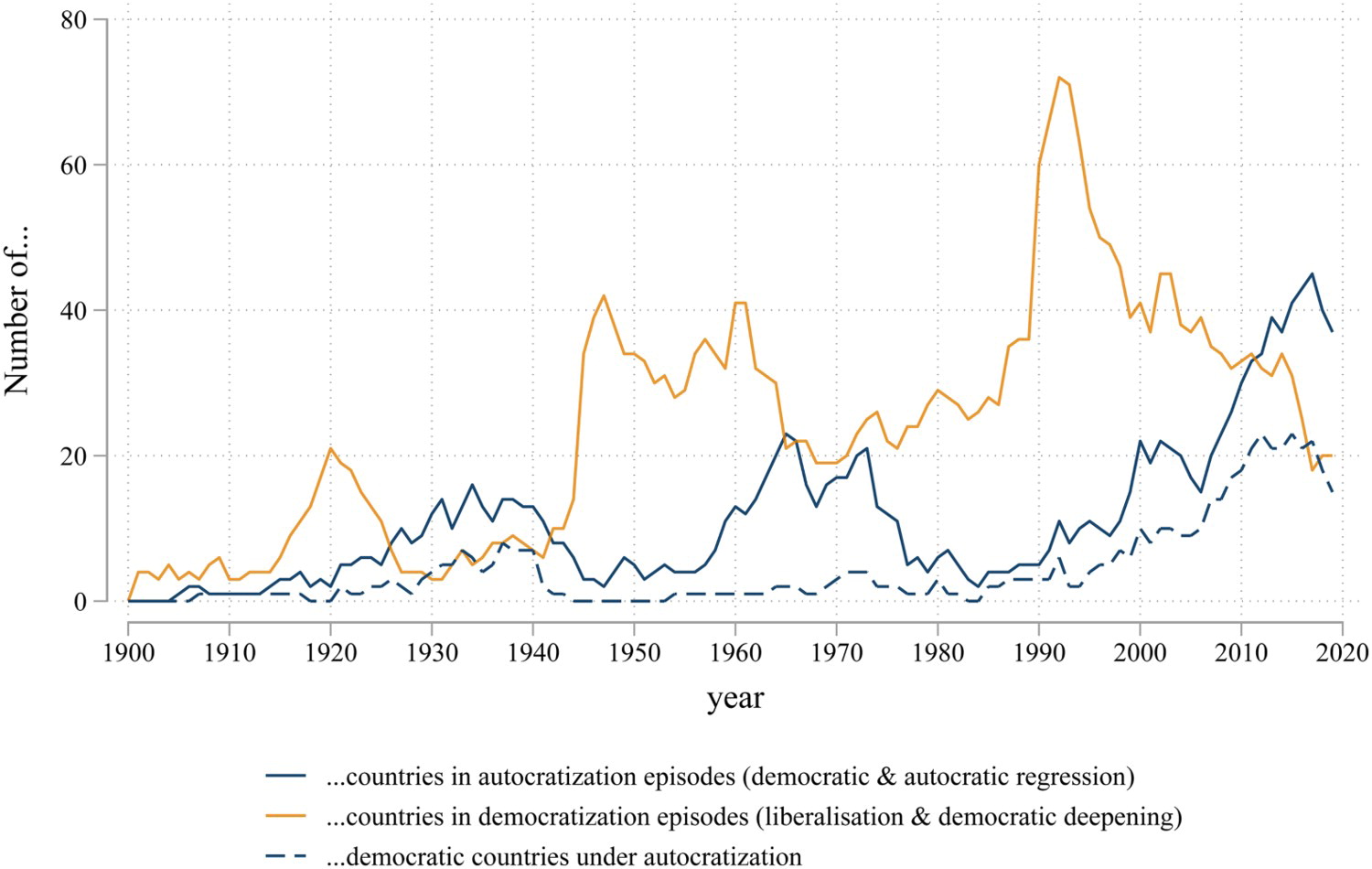
Democratic reform encompasses the myriad processes, movements, and policy changes aimed at enhancing the democratic nature of political systems. It's not a single event but an ongoing struggle to deepen representation, increase accountability, and expand citizen participation. These reforms can range from electoral system overhauls and campaign finance regulations to strengthening civil liberties and combating corruption. Historically, democratic reform has been driven by both elite-led transitions and grassroots activism, often in response to systemic failures or demands for greater inclusion. The global landscape of democratic reform is dynamic, marked by periods of expansion, as seen in the 'Third Wave of Democracy' from the 1970s to the 1990s, and significant challenges from democratic backsliding and rising authoritarianism in the 21st century. Understanding democratic reform requires examining its diverse manifestations across different political contexts and its complex interplay with economic development, social movements, and international influences.
🎵 Origins & History
The impulse for democratic reform is as old as governance itself, a persistent echo of the Athenian experiment with direct democracy and the Roman Republic's representative structures. However, modern democratic reform movements gained significant traction during the Enlightenment, fueled by thinkers like John Locke and Jean-Jacques Rousseau, whose ideas on natural rights and the social contract challenged absolute monarchies. The 19th century saw waves of reform, including the expansion of suffrage in countries like the United Kingdom. The 20th century witnessed further dramatic shifts, with the post-World War I and II eras seeing the spread of parliamentary democracy.
⚙️ How It Works
Democratic reform operates through a variety of mechanisms, often targeting specific institutional weaknesses. Electoral reforms, for instance, might involve changing from a 'first-past-the-post' system to proportional representation to ensure broader party representation, or implementing measures like ranked-choice voting to reduce political polarization. Campaign finance reform seeks to limit the influence of money in politics through caps on donations or public funding of elections, as seen in systems like Germany's approach. Anti-corruption measures, such as independent oversight bodies and asset declaration laws for public officials, are crucial for building trust. Strengthening civil society organizations, protecting freedom of the press, and ensuring robust judicial independence are also key components. These reforms are often codified into law, requiring legislative action, constitutional amendments, or judicial rulings to take effect, and their implementation is frequently monitored by international bodies like the United Nations or regional organizations.
📊 Key Facts & Numbers
Globally, the state of democracy is a mixed bag. The number of liberal democracies has declined, with only a limited number of countries fitting that description. However, democratic reform efforts persist. The global spending on election monitoring by international organizations is substantial. Despite these efforts, global freedom has seen a decline in recent years.
👥 Key People & Organizations
Numerous individuals and organizations have been instrumental in advancing democratic reform. Organizations such as Amnesty International and Human Rights Watch tirelessly advocate for civil liberties and political freedoms worldwide. Electoral reform advocacy groups, such as FairVote in the United States, push for specific changes to voting systems.
🌍 Cultural Impact & Influence
The impact of democratic reform reverberates through culture, media, and societal norms. The expansion of suffrage, for example, has fundamentally altered political discourse and representation, leading to greater attention to previously marginalized groups. The rise of independent media, often a direct result of reforms protecting freedom of speech, has democratized information access, though it also presents challenges with the spread of misinformation. Cultural movements advocating for civil rights, LGBTQ+ rights, and gender equality are often intertwined with broader democratic reform agendas, pushing for greater inclusion and recognition within existing political structures. The very concept of 'the people' as the legitimate source of political power, a cornerstone of modern democracy, is a cultural product of centuries of reformist thought and action.
⚡ Current State & Latest Developments
The current landscape of democratic reform is characterized by a dual dynamic: persistent efforts to deepen existing democracies alongside a worrying trend of democratic backsliding. In 2024, countries like Taiwan continue to strengthen their democratic institutions, holding robust elections and fostering vibrant civil societies, even under external pressure. The European Union has grappled with internal challenges related to democratic norms, while international bodies like the International Republican Institute continue to support democratic transitions and reforms in emerging democracies. The rise of digital technologies also presents new frontiers for reform, with debates ongoing about online participation, digital voting, and combating cyber threats to electoral integrity.
🤔 Controversies & Debates
Democratic reform is inherently controversial, often pitting established interests against demands for change. A central debate revolves around the pace and scope of reform: should it be gradual and elite-driven, or rapid and grassroots-led? Critics of rapid reform argue it can lead to chaos or the rise of illiberal forces. Conversely, proponents of grassroots movements argue that incremental reforms often fail to address deep-seated inequalities and elite capture. Debates also rage over specific mechanisms: is proportional representation truly more democratic than 'first-past-the-post,' or does it lead to fragmented governments? The role of international intervention in promoting democracy is another contentious issue, with arguments about sovereignty versus universal human rights. The very definition of 'democracy' itself is debated, with some emphasizing electoral competition and others focusing on substantive outcomes like equality and social justice.
🔮 Future Outlook & Predictions
The future of democratic reform will likely be shaped by the ongoing tension between democratic aspirations and authoritarian resurgence. Futurists predict a continued struggle for digital democracy, exploring how blockchain could secure voting or how artificial intelligence might be used to enhance citizen deliberation, while also guarding against its use for surveillance and manipulation by regimes like [[russia|Russ
Key Facts
- Category
- movements
- Type
- topic