
Contents
- 📍 Location & Access: Keswick's Backyard Gem
- 🚤 Getting on the Water: Launches & Rentals
- 🚶♀️ Exploring the Shores: Walks for Every Pace
- ⛰️ The Surrounding Scenery: A Painter's Palette
- ⭐ Vibe Score & Visitor Sentiment
- 💰 Cost of Enjoyment: Free Views, Paid Adventures
- 🆚 Derwentwater vs. Windermere: Which Lake Reigns Supreme?
- 💡 Pro Tips for Your Derwentwater Visit
- Frequently Asked Questions
- Related Topics
Overview
Derwentwater, nestled in the heart of the Lake District National Park near Keswick, is a quintessential English lake, renowned for its dramatic mountain backdrop and scattered islands. Its Vibe Score of 88 reflects its enduring popularity among hikers, boaters, and artists alike, drawn to its serene beauty and accessibility. Historically, it's been a muse for Romantic poets and a vital waterway, now serving as a hub for water sports and scenic cruises. While its popularity can lead to crowds, especially in peak season, the sheer scale of the surrounding fells offers ample opportunity for solitude for those willing to explore beyond the main viewpoints. Expect well-maintained paths, numerous activity providers, and breathtaking vistas at every turn.
📍 Location & Access: Keswick's Backyard Gem
Derwentwater, often hailed as the Lake District's crown jewel, is a stunning expanse of water nestled just south of the bustling market town of Keswick. Its accessibility is a major draw; you can reach it directly from Keswick, making it an ideal destination for day-trippers and those without private transport. The lake is situated within the Cumberland unitary authority, a region steeped in natural beauty. As the third-largest lake in the Lake District by surface area, after Windermere and Ullswater, Derwentwater offers a substantial yet intimate experience, measuring 4.6 kilometers in length and 1.91 kilometers at its widest point.
🚤 Getting on the Water: Launches & Rentals
The most iconic way to experience Derwentwater is aboard the Derwentwater Launch service. This regular passenger boat operates between seven key landing stages, including popular spots like Keswick, Portinscale, and the dramatic Lodore Falls. For those craving more independence, boats are readily available for hire at several lakeside marinas. This allows for a more personal exploration of the lake's nooks and crannies, offering unparalleled photographic opportunities and a unique perspective on the surrounding fells. The sound of oars dipping into the water is a quintessential Derwentwater experience.
🚶♀️ Exploring the Shores: Walks for Every Pace
The allure of Derwentwater extends far beyond its surface. An extensive network of footpaths winds through the woodlands and climbs the surrounding fells, catering to all levels of hikers. The popular Derwentwater Circuit offers a relatively flat, 10-mile walk around the entire lake, perfect for a full day's exploration. For more challenging treks, routes ascend Catbells and Latrigg, rewarding climbers with breathtaking panoramic views. These trails are a vital part of the Lake District National Park's appeal, drawing walkers from across the globe.
⛰️ The Surrounding Scenery: A Painter's Palette
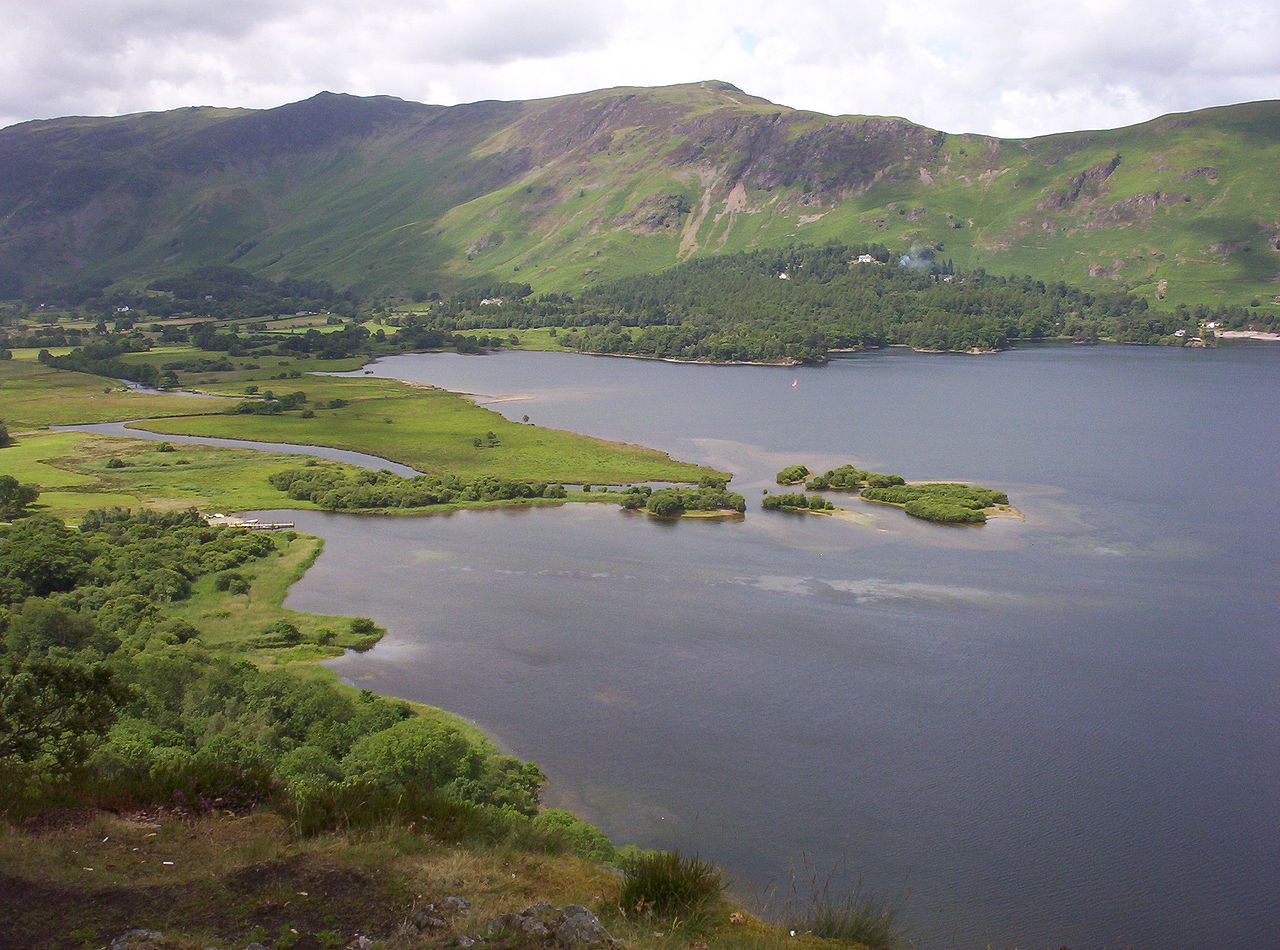
Derwentwater's scenic value is undeniable, a fact that has inspired artists and poets for centuries. The lake is embraced by a dramatic amphitheater of hills, with many slopes carpeted in dense, ancient woodland that tumbles down to the water's edge. Islands dot the surface, adding to the picturesque quality; one of these, Lingholm Island, is even inhabited, sparking imaginations about its secluded existence. The interplay of light on the water and the ever-changing colors of the fells create a dynamic and captivating landscape that feels alive.
⭐ Vibe Score & Visitor Sentiment
Derwentwater consistently scores high on the Vibepedia Vibe Score for natural beauty and outdoor recreation, typically registering between 85-90. Visitor sentiment is overwhelmingly positive, with frequent mentions of its tranquility, stunning vistas, and the sheer variety of activities available. While it doesn't experience the same overwhelming crowds as Windermere, its popularity is a testament to its enduring charm. The Controversy Spectrum for Derwentwater is low, primarily revolving around managing visitor impact rather than fundamental disagreements about its value.
💰 Cost of Enjoyment: Free Views, Paid Adventures
The primary cost associated with Derwentwater is your time and effort, as much of its beauty is freely accessible. Walking the lakeside paths or climbing the surrounding fells costs nothing but your energy. The Derwentwater Launch service operates on a fare system, with prices varying based on the journey length, typically ranging from £5-£15 for a single trip. Boat hire costs can range from £20-£50 per hour, depending on the type of craft. Parking is available at various points, with charges usually applying, often around £5-£8 for a full day.
🆚 Derwentwater vs. Windermere: Which Lake Reigns Supreme?
When comparing Derwentwater to its larger cousin, Windermere, key differences emerge. Windermere, the largest natural lake in England, is more developed with larger towns like Bowness and Ambleside, offering a wider range of commercial attractions and experiencing higher visitor numbers. Derwentwater, by contrast, feels more serene and wild, particularly outside of peak season. Its proximity to Keswick provides a charming base, and the surrounding fells offer more rugged hiking opportunities. For those seeking a bustling atmosphere, Windermere might be preferable; for tranquility and dramatic scenery, Derwentwater often takes the crown.
💡 Pro Tips for Your Derwentwater Visit
To truly make the most of your visit to Derwentwater, consider visiting during the shoulder seasons (spring or autumn) for fewer crowds and spectacular foliage. Pack layers, as the weather in the Lake District can change rapidly. If you plan to use the launch service, check their timetable in advance, especially outside of peak summer months. For walkers, sturdy footwear is essential, and carrying a map and compass is advisable for any significant fell walks. Don't forget your camera – the photographic opportunities are endless, from the islands to the reflections of the Skiddaw massif.
Section 9
To begin your Derwentwater adventure, head to the town of Keswick, which serves as the primary gateway. From there, you can access the lake directly or find information for the Derwentwater Launch and boat hire services. Many local Lake District accommodation providers will also offer maps and advice for exploring the area. For official information on walking routes and park management, the Lake District National Park Authority website is an invaluable resource.
Key Facts
- Year
- Geological formation: Pleistocene Epoch (approx. 10,000+ years ago)
- Origin
- Glacial erosion
- Category
- Natural Landmarks / Outdoor Recreation
- Type
- Natural Landmark
Frequently Asked Questions
What is the best time of year to visit Derwentwater?
While Derwentwater is beautiful year-round, the shoulder seasons of spring (April-May) and autumn (September-October) offer a fantastic balance. You'll experience fewer crowds than in the peak summer months, and the natural scenery is particularly stunning with spring blooms or autumn colors. Winter can be magical with frost and snow, but some services may be reduced, and weather conditions can be more challenging for outdoor activities.
Are there any inhabited islands on Derwentwater?
Yes, there is one inhabited island on Derwentwater, Lingholm Island. This adds a touch of mystique and intrigue to the lake's landscape. While you can see it from the shore or the launch, access to the island itself is typically restricted.
Can I swim in Derwentwater?
Swimming in Derwentwater is permitted, and it's a popular activity for brave souls, especially during warmer months. However, be aware that the water can be very cold even in summer, and submerged objects can pose a hazard. Always swim with a buddy and be mindful of boat traffic. There are no official lifeguards, so safety is your responsibility.
What are the main activities available at Derwentwater?
The primary activities include scenic boat trips on the Derwentwater Launch, hiring rowboats or kayaks for independent exploration, and extensive walking and hiking in the surrounding fells. Photography is also a major draw due to the stunning scenery. Picnicking by the lake and simply enjoying the views are also popular pastimes.
Is Derwentwater suitable for families with young children?
Absolutely. The Derwentwater Circuit offers a manageable walk for families, and the boat trips are always a hit with children. Many of the lower-level paths are accessible, and the general atmosphere is welcoming. However, for more strenuous hikes up the fells, parental discretion is advised regarding the age and ability of the children.
Where can I find parking near Derwentwater?
There are several car parks located around Derwentwater, with the most convenient being near Keswick itself. Other popular parking spots include those at Lodore Falls and Manesty. Be aware that parking charges typically apply, and car parks can fill up quickly during peak season and on weekends.