
Contents
- 🌞 Introduction to Distributed Energy Resources
- 💡 The Evolution of Distributed Generation
- 📈 Benefits of Distributed Energy Resources
- 🔋 Energy Storage and Distributed Energy
- 🏠 On-Site Generation and Microgrids
- 🌈 Renewable Energy Sources and DER
- 📊 Economic and Policy Aspects of Distributed Energy
- 🚀 The Future of Distributed Energy Resources
- 🤝 Grid Modernization and Distributed Energy
- 📊 Case Studies and Examples of Distributed Energy
- 🌐 Global Perspectives on Distributed Energy Resources
- 📝 Conclusion and Recommendations
- Frequently Asked Questions
- Related Topics
Overview
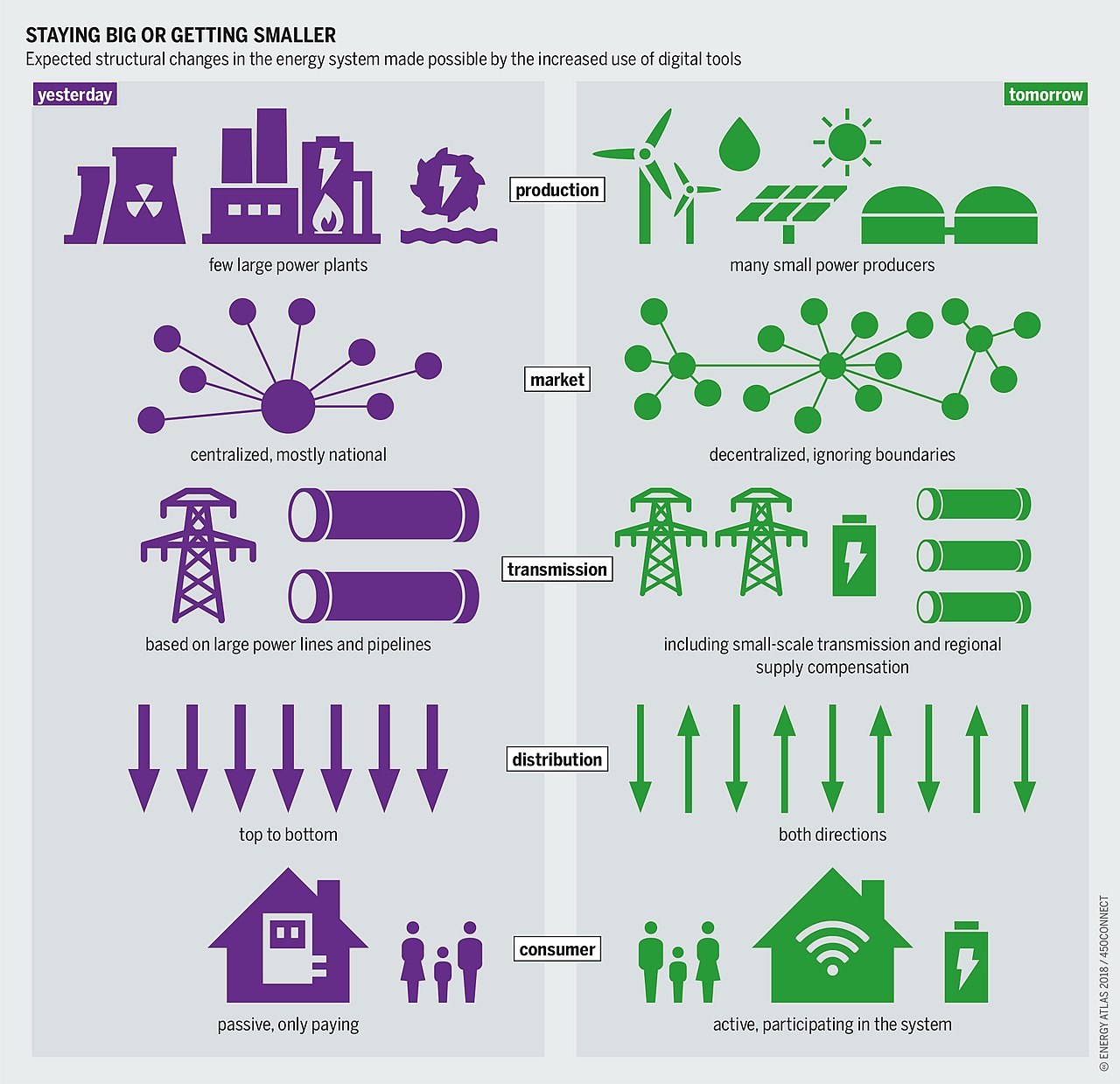
Distributed energy resources (DERs) refer to the diverse array of power generation and storage technologies that are decentralized, meaning they are located close to the point of consumption, rather than relying on centralized power plants. This shift towards decentralized energy production is driven by technological advancements, economic viability, and environmental concerns. According to the International Energy Agency (IEA), by 2025, DERs are expected to account for nearly 40% of global electricity generation, up from 25% in 2020. Key players like Tesla, Siemens, and Vestas are leading the charge in this space. However, the integration of DERs into the existing grid infrastructure poses significant technical and regulatory challenges. As the world moves towards a low-carbon economy, the role of DERs will become increasingly critical, with some estimates suggesting that they could reduce greenhouse gas emissions by up to 78% by 2050. The future of energy will be shaped by the interplay between technological innovation, policy frameworks, and societal demands, with DERs at the forefront of this transformation.
🌞 Introduction to Distributed Energy Resources
Distributed energy resources (DER) are transforming the way we generate, distribute, and consume energy. As discussed in Distributed Generation, DER refers to a variety of small, grid-connected devices that perform electrical generation and storage. This shift towards decentralized energy production is driven by advances in technology, changes in energy policy, and growing concerns about Climate Change. According to the International Energy Agency, DER can play a crucial role in reducing greenhouse gas emissions and promoting energy security. For instance, Solar Energy and Wind Energy are becoming increasingly cost-competitive with traditional fossil fuels.
💡 The Evolution of Distributed Generation
The concept of distributed generation has been around for decades, but it has gained significant momentum in recent years. As explained in Energy Storage, the integration of energy storage systems has enabled greater flexibility and reliability in distributed energy systems. The Electric Grid is being transformed into a more dynamic and responsive network, with DER playing a key role in this transition. Companies like Tesla and Sonnen are leading the charge in this space, with innovative products and services that enable homeowners and businesses to generate and store their own energy. For example, Microgrids are being developed to provide reliable and resilient energy supply to communities.
📈 Benefits of Distributed Energy Resources
The benefits of distributed energy resources are numerous and well-documented. As discussed in Renewable Energy, DER can reduce greenhouse gas emissions, improve air quality, and enhance energy security. Additionally, DER can provide economic benefits, such as job creation and increased local investment. According to the National Renewable Energy Laboratory, DER can also improve grid resilience and reduce the likelihood of power outages. For instance, Community Solar programs are being implemented to enable multiple individuals to share the benefits of a single solar array.
🔋 Energy Storage and Distributed Energy
Energy storage is a critical component of distributed energy resources, as it enables the efficient and effective use of intermittent renewable energy sources. As explained in Battery Storage, advances in energy storage technology have made it possible to store excess energy generated by solar panels or wind turbines, and use it when needed. This has significant implications for the Electric Grid, as it enables greater flexibility and responsiveness to changing energy demand. Companies like LG Chem and Samsung SDI are leading the development of energy storage solutions for distributed energy systems. For example, Flow Batteries are being used for long-duration energy storage applications.
🏠 On-Site Generation and Microgrids
On-site generation and microgrids are key components of distributed energy resources, as they enable individuals and communities to generate and manage their own energy. As discussed in Microgrid systems, these can range from small, residential-scale systems to large, commercial-scale systems. According to the US Department of Energy, microgrids can provide reliable and resilient energy supply to communities, and can also reduce energy costs and greenhouse gas emissions. For instance, Green Buildings are being designed to incorporate on-site generation and energy storage systems, reducing their reliance on the grid.
🌈 Renewable Energy Sources and DER
Renewable energy sources, such as solar and wind power, are a critical component of distributed energy resources. As explained in Solar Energy and Wind Energy, these sources can provide clean and sustainable energy, reducing our reliance on fossil fuels and mitigating Climate Change. According to the International Renewable Energy Agency, renewable energy can meet up to 80% of global energy demand by 2050. For example, Concentrated Solar Power systems are being developed to generate electricity from solar energy, even when the sun is not shining.
📊 Economic and Policy Aspects of Distributed Energy
The economic and policy aspects of distributed energy resources are complex and multifaceted. As discussed in Energy Policy, governments and regulatory bodies are playing a critical role in shaping the development of DER, through policies and incentives that support the adoption of renewable energy and energy storage. According to the World Energy Council, a supportive policy framework is essential for the widespread adoption of DER. For instance, Net Metering laws are being implemented to allow homeowners and businesses to generate their own energy and sell excess energy back to the grid.
🚀 The Future of Distributed Energy Resources
The future of distributed energy resources is exciting and uncertain, with significant opportunities and challenges ahead. As explained in Energy Storage and Electric Grid modernization, the integration of DER into the grid will require significant investment and innovation in grid infrastructure and energy management systems. According to the Bloomberg New Energy Finance, the global DER market is expected to reach $1.5 trillion by 2025. For example, Smart Grids are being developed to enable real-time monitoring and control of energy distribution and consumption.
🤝 Grid Modernization and Distributed Energy
Grid modernization is a critical component of the transition to a distributed energy future, as it enables the efficient and effective integration of DER into the grid. As discussed in Grid Modernization, this requires significant investment in grid infrastructure, including advanced metering systems, grid management systems, and energy storage systems. According to the US Department of Energy, grid modernization can provide significant economic and environmental benefits, including reduced energy costs and greenhouse gas emissions. For instance, Advanced Metering Infrastructure is being implemented to enable real-time monitoring and control of energy consumption.
📊 Case Studies and Examples of Distributed Energy
There are many case studies and examples of distributed energy resources in action, from residential-scale solar systems to large-scale commercial microgrids. As explained in Microgrid systems, these can provide valuable insights and lessons for the development of DER, and can help to build confidence and momentum for the transition to a distributed energy future. According to the National Renewable Energy Laboratory, case studies can provide valuable information on the technical, economic, and social aspects of DER. For example, Community Solar programs are being implemented to enable multiple individuals to share the benefits of a single solar array.
🌐 Global Perspectives on Distributed Energy Resources
The global perspective on distributed energy resources is complex and multifaceted, with different countries and regions having different priorities and approaches to the development of DER. As discussed in Global Energy Policy, international cooperation and knowledge-sharing will be critical for the widespread adoption of DER, and for the development of supportive policies and regulations. According to the International Energy Agency, global cooperation can help to reduce the costs and risks associated with the transition to a distributed energy future. For instance, Global Renewable Energy Policy is being developed to promote the adoption of renewable energy sources worldwide.
📝 Conclusion and Recommendations
In conclusion, distributed energy resources are a critical component of the transition to a sustainable and resilient energy future. As explained in Energy Storage and Electric Grid modernization, the integration of DER into the grid will require significant investment and innovation in grid infrastructure and energy management systems. According to the Bloomberg New Energy Finance, the global DER market is expected to reach $1.5 trillion by 2025. For example, Smart Grids are being developed to enable real-time monitoring and control of energy distribution and consumption.
Key Facts
- Year
- 2023
- Origin
- Global Energy Transition
- Category
- Energy and Environment
- Type
- Concept
Frequently Asked Questions
What are distributed energy resources?
Distributed energy resources (DER) refer to a variety of small, grid-connected devices that perform electrical generation and storage. These can include solar panels, wind turbines, energy storage systems, and other technologies. As discussed in Distributed Generation, DER can provide clean and sustainable energy, reducing our reliance on fossil fuels and mitigating Climate Change. According to the International Energy Agency, DER can play a crucial role in reducing greenhouse gas emissions and promoting energy security.
What are the benefits of distributed energy resources?
The benefits of distributed energy resources are numerous and well-documented. As discussed in Renewable Energy, DER can reduce greenhouse gas emissions, improve air quality, and enhance energy security. Additionally, DER can provide economic benefits, such as job creation and increased local investment. According to the National Renewable Energy Laboratory, DER can also improve grid resilience and reduce the likelihood of power outages. For instance, Community Solar programs are being implemented to enable multiple individuals to share the benefits of a single solar array.
How do energy storage systems work?
Energy storage systems work by storing excess energy generated by solar panels or wind turbines, and using it when needed. As explained in Battery Storage, this can be achieved through a variety of technologies, including batteries, pumped hydro storage, and other innovative solutions. According to the US Department of Energy, energy storage systems can provide significant economic and environmental benefits, including reduced energy costs and greenhouse gas emissions. For example, Flow Batteries are being used for long-duration energy storage applications.
What is the future of distributed energy resources?
The future of distributed energy resources is exciting and uncertain, with significant opportunities and challenges ahead. As explained in Energy Storage and Electric Grid modernization, the integration of DER into the grid will require significant investment and innovation in grid infrastructure and energy management systems. According to the Bloomberg New Energy Finance, the global DER market is expected to reach $1.5 trillion by 2025. For example, Smart Grids are being developed to enable real-time monitoring and control of energy distribution and consumption.
How can I get involved in distributed energy resources?
There are many ways to get involved in distributed energy resources, from installing solar panels on your home to investing in a community solar program. As discussed in Community Solar, you can also support policies and regulations that promote the development of DER, and advocate for greater investment in grid modernization and energy storage. According to the National Renewable Energy Laboratory, community engagement and participation are critical for the widespread adoption of DER. For instance, Green Buildings are being designed to incorporate on-site generation and energy storage systems, reducing their reliance on the grid.
What are the challenges facing distributed energy resources?
The challenges facing distributed energy resources are significant, and include technical, economic, and regulatory barriers. As explained in Grid Modernization, the integration of DER into the grid will require significant investment and innovation in grid infrastructure and energy management systems. According to the US Department of Energy, grid modernization can provide significant economic and environmental benefits, including reduced energy costs and greenhouse gas emissions. For example, Advanced Metering Infrastructure is being implemented to enable real-time monitoring and control of energy consumption.
How can distributed energy resources contribute to a sustainable energy future?
Distributed energy resources can contribute to a sustainable energy future by providing clean and sustainable energy, reducing our reliance on fossil fuels and mitigating Climate Change. As discussed in Renewable Energy, DER can also improve energy security, reduce energy costs, and promote economic development. According to the International Energy Agency, DER can play a crucial role in reducing greenhouse gas emissions and promoting energy security. For instance, Solar Energy and Wind Energy are becoming increasingly cost-competitive with traditional fossil fuels.