
Contents
- ⚡ What Exactly *Is* an Electric Motor?
- ⚙️ How Do They Actually Work? (The Guts)
- 💡 A Brief History: From Faraday's Ring to Your EV
- 🚗 Where You'll Find Them: Beyond the Obvious
- ⚡ Types of Electric Motors: AC vs. DC and Beyond
- 🔋 The Power Source: Batteries, Grids, and Everything In Between
- 📈 The Electric Motor Vibe Score: 88/100 (High Energy!)
- 🤔 The Big Debates: Efficiency, Materials, and the Future
- 🛠️ Choosing the Right Motor: What to Consider
- 💰 Cost & Accessibility: From Hobby Kits to Industrial Giants
- 🌟 What People Say: The Electric Motor Buzz
- 🚀 The Future: Faster, Smarter, and More Integrated
- Frequently Asked Questions
- Related Topics
Overview
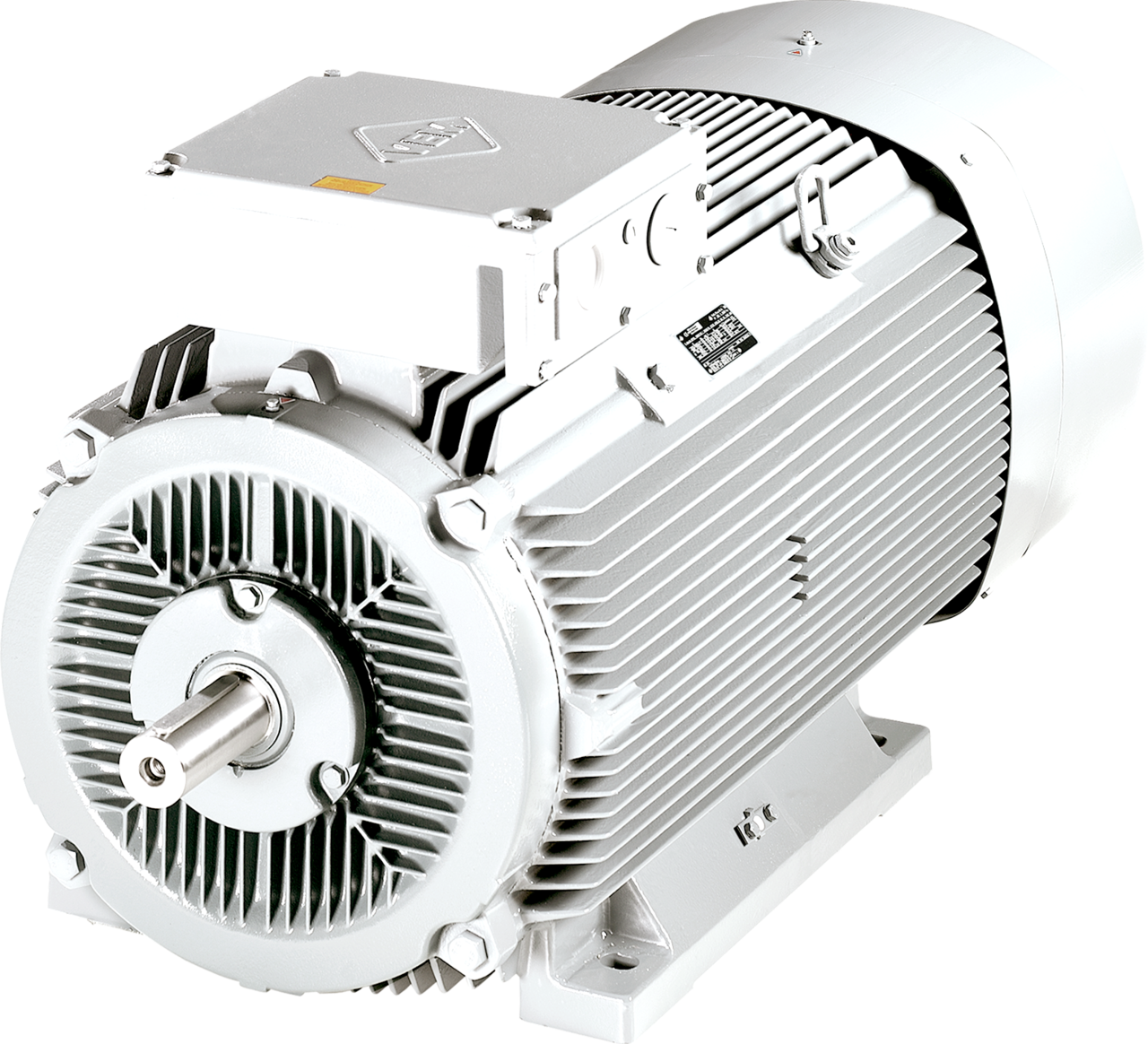
An electric motor is your fundamental energy converter, taking raw electrical juice and spinning it into useful mechanical motion. Think of it as the engine of the modern world, but instead of combustion, it runs on electrons. Most are built around the elegant dance between magnetic fields and electric currents, creating a rotational force—torque—that turns a shaft. This principle is so robust that its inverse, the electric generator, is mechanically identical, just running in reverse to make electricity. Understanding this duality is key to appreciating the ubiquity and potential of electric motors across countless applications.
⚙️ How Do They Actually Work? (The Guts)
At its heart, an electric motor leverages the Laplace force, a fundamental principle of electromagnetism. When an electric current flows through a wire within a magnetic field, it experiences a force. In a motor, this wire is wound into coils on a rotor, and the magnetic field is generated by either permanent magnets or electromagnets on the stator. By carefully controlling the current and magnetic fields, this force is directed to create continuous rotation. The efficiency and power of a motor depend heavily on the design of these motor windings, the strength of the magnets, and the overall motor architecture.
💡 A Brief History: From Faraday's Ring to Your EV
The electric motor's lineage traces back to Michael Faraday's groundbreaking experiments in the 1820s, notably his homopolar motor. While early designs were rudimentary, the 19th century saw rapid development with contributions from inventors like Ányos Jedlik and Nikola Tesla, who pioneered AC induction motors. The 20th century refined these designs, leading to the high-efficiency, compact motors we see today, powering everything from household appliances to the electric vehicle revolution. Its history is a testament to persistent innovation in electromagnetism.
🚗 Where You'll Find Them: Beyond the Obvious
You'd be surprised where electric motors lurk. Beyond the obvious EVs and industrial machinery, they're in your washing machine, your electric toothbrush, your HVAC system, and even the tiny fans cooling your computer. They are the silent workhorses in robotics, drones, and medical devices. The sheer variety means there's a motor for almost any task requiring controlled motion, from the massive motors driving mining equipment to the microscopic ones in nanotechnology.
⚡ Types of Electric Motors: AC vs. DC and Beyond
The primary split is between AC motors (Alternating Current) and DC motors (Direct Current). AC motors, like induction and synchronous types, are robust and common in grid-powered applications. DC motors, including brushed and brushless varieties, offer precise control and are favored in battery-powered devices and EVs. Brushless DC (BLDC) motors, in particular, have gained immense popularity due to their high efficiency, long lifespan, and excellent power-to-weight ratio.
🔋 The Power Source: Batteries, Grids, and Everything In Between
The 'fuel' for an electric motor is, of course, electricity. This can come from the electrical grid via AC power, or from batteries in portable devices and EVs. The type of power source significantly influences motor choice; for instance, the high energy density of modern lithium-ion batteries has been a major enabler for high-performance electric vehicles. Understanding the power electronics that condition this electricity—like inverters and controllers—is crucial for optimizing motor performance.
📈 The Electric Motor Vibe Score: 88/100 (High Energy!)
The Electric Motor Vibe Score stands at a robust 88/100. This reflects their indispensable role in modern society, their continuous technological advancement, and their critical function in the global transition towards sustainable energy. While not a 'subculture' in the traditional sense, the engineering communities, hobbyist circles, and industrial sectors dedicated to motor design and application exhibit a high degree of passion and innovation. Their influence flows through nearly every aspect of technological progress, from consumer electronics to heavy industry.
🤔 The Big Debates: Efficiency, Materials, and the Future
The electric motor world isn't without its friction points. A major debate centers on efficiency standards – how much energy is lost as heat versus converted to motion? Material sourcing, particularly for rare-earth magnets used in high-performance motors, is another contentious issue, raising concerns about geopolitical supply chains and environmental impact. The ongoing quest for higher power density and lower costs continues to drive innovation, often pitting established technologies against emerging ones.
🛠️ Choosing the Right Motor: What to Consider
Selecting the right electric motor involves a few key considerations. You need to match the motor's torque output and speed (RPM) to your application's demands. Consider the power source: AC or DC? Brushed or brushless? Environmental factors like temperature, moisture, and dust also play a role in determining the necessary motor enclosure and IP rating. For hobbyists, hobby motor kits offer a great entry point, while industrial applications require precise engineering specifications.
💰 Cost & Accessibility: From Hobby Kits to Industrial Giants
The cost of electric motors varies wildly. Small DC motors for hobby projects can be found for under $5, while basic AC motors for appliances might range from $20 to $100. High-performance brushless DC motors for drones or EVs can cost hundreds or even thousands of dollars due to their complexity and precision. Industrial-grade motors for heavy machinery represent a significant capital investment, often running into tens of thousands. The accessibility has dramatically increased, however, thanks to advancements in manufacturing techniques.
🌟 What People Say: The Electric Motor Buzz
The general sentiment surrounding electric motors is overwhelmingly positive, bordering on reverence within engineering and environmental circles. They are lauded for their efficiency, reliability, and their role in decarbonization efforts. Enthusiasts often marvel at the intricate engineering and the sheer power packed into compact designs. The buzz is particularly loud around their application in EVs, seen as a critical component of a cleaner transportation future. Even in niche communities, the elegance of electromagnetic principles at play earns high marks.
🚀 The Future: Faster, Smarter, and More Integrated
The trajectory for electric motors is clear: more power, more efficiency, and greater integration. Expect advancements in material science to yield lighter, stronger magnets and windings. Advanced control algorithms and AI integration will enable motors to self-optimize performance and predict maintenance needs. The push towards wireless power transfer could also change how motors are powered. Ultimately, motors will become even more seamless, intelligent, and indispensable components of our technological ecosystem.
Key Facts
- Year
- 1821
- Origin
- Michael Faraday's discovery of electromagnetic induction
- Category
- Technology & Engineering
- Type
- Core Technology
Frequently Asked Questions
What's the difference between a brushed and brushless DC motor?
Brushed DC motors use physical brushes to switch the direction of current in the rotor coils, creating torque. They are simpler and cheaper but wear out over time. Brushless DC (BLDC) motors use electronic commutation, meaning no physical brushes. This makes them more efficient, longer-lasting, quieter, and capable of higher speeds, though they require more complex control electronics. BLDC motors are increasingly favored in applications demanding high performance and reliability, such as EVs and drones.
How does an electric motor contribute to sustainability?
Electric motors are significantly more efficient than internal combustion engines, converting a much higher percentage of electrical energy into mechanical work (often 85-95% for BLDC motors, compared to 20-40% for gasoline engines). This efficiency reduces energy consumption and greenhouse gas emissions, especially when powered by renewable energy sources. Their longer lifespan also reduces waste and the need for frequent replacements, contributing to a more circular economy.
What are the main challenges in electric motor design?
Key challenges include maximizing efficiency while minimizing size and weight (power density), managing heat dissipation, reducing manufacturing costs, and sourcing sustainable materials, particularly rare-earth magnets. Ensuring electromagnetic compatibility (EMC) to prevent interference with other electronic systems is also critical. The ongoing development of new materials and advanced control systems aims to address these challenges.
Can electric motors be used as generators?
Yes, absolutely. Most electric motors can function as generators when their shaft is mechanically driven. This is known as regenerative braking in applications like electric vehicles and electric trains, where the motor acts as a generator to slow the vehicle down and recapture energy, feeding it back into the battery. The fundamental electromagnetic principles are reversible.
What is the role of power electronics in electric motor systems?
Power electronics, such as inverters, converters, and motor controllers, are essential for managing the electrical power supplied to the motor. They convert the raw power from the source (like a battery or grid) into the specific form (voltage, frequency, phase) required by the motor to operate efficiently and at the desired speed and torque. They are critical for brushless motor operation and enable features like regenerative braking.
How do I choose the right electric motor for a DIY project?
For DIY projects, start by defining your needs: what torque and speed are required? What is your power source (battery voltage, AC)? Consider whether you need simple control (brushed DC) or higher performance and efficiency (brushless DC). Look at hobby motor kits or readily available modules from suppliers like Adafruit or SparkFun. Always check the motor's specifications against your project's requirements, and ensure you have appropriate power supply and control components.