
Contents
- 🐘 Species Spotlight: Know Your Giants
- 🌍 Where to Encounter Elephants in the Wild
- 💡 Elephant Anatomy: More Than Just a Trunk
- 📈 Population Status & Conservation Concerns
- 🐘 Elephant Behavior: Social Structures and Intelligence
- ⚖️ Ethical Tourism: Responsible Elephant Encounters
- 📚 Further Exploration: Resources for Elephant Enthusiasts
- ❓ Frequently Asked Questions About Elephants
- Frequently Asked Questions
- Related Topics
Overview
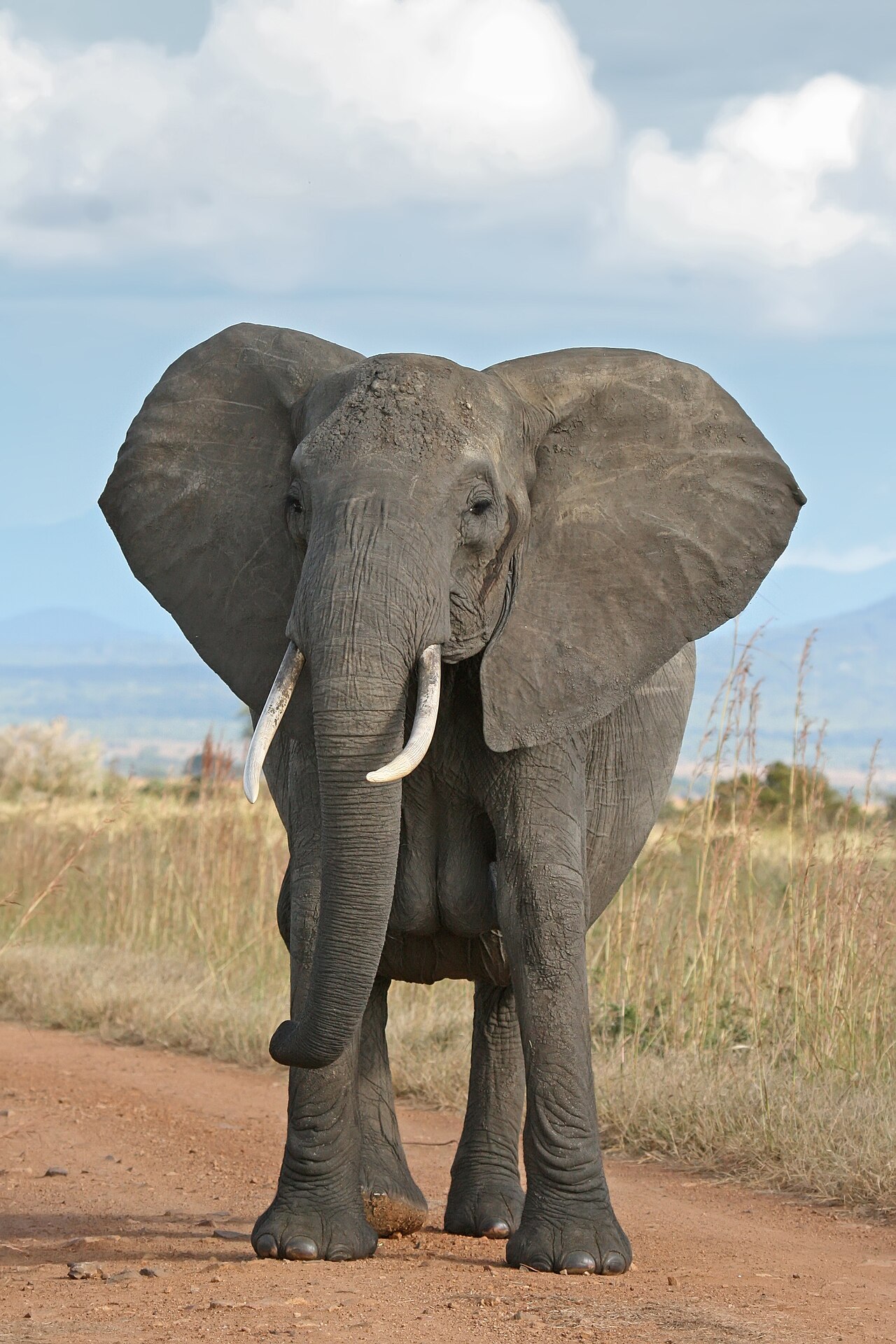
The world of elephants is more diverse than many realize, featuring three distinct living species: the Loxodonta africana, the Loxodonta cyclotis, and the Elephas maximus. While all share the iconic trunk and tusks, subtle yet significant differences exist. African bush elephants, the largest of the three, are characterized by their massive size, large ears shaped like the continent of Africa, and concave backs. Their forest-dwelling cousins, the African forest elephants, are smaller, darker, and possess straighter tusks, adapted for navigating dense jungle environments. The Asian elephant, found across South and Southeast Asia, typically has smaller ears, a convex or level back, and a single finger-like projection at the tip of its trunk, unlike the two found on African elephants.
🌍 Where to Encounter Elephants in the Wild
Encountering these magnificent creatures in their natural habitat is an unparalleled experience, but requires careful planning and respect for their environment. Prime locations for observing African bush elephants include Kruger National Park in South Africa, Chobe National Park in Botswana, and the Serengeti National Park in Tanzania. For the elusive African forest elephant, the dense rainforests of Congo Basin offer the best, albeit challenging, viewing opportunities. Asian elephants can be found in countries like India, Sri Lanka, Thailand, and Nepal, with notable sanctuaries and national parks such as Periyar National Park in India and Minneriya National Park in Sri Lanka.
💡 Elephant Anatomy: More Than Just a Trunk
The elephant's anatomy is a marvel of evolutionary engineering, perfectly suited to its environment and lifestyle. The trunk, a fusion of the nose and upper lip, is an incredibly versatile appendage, capable of delicate manipulation for plucking leaves to powerful suction for drinking water. Tusks, modified incisor teeth, are not merely for show; they are essential tools for digging for water and minerals, stripping bark from trees, and as formidable weapons in defense. Their large ears, far from being just for hearing, act as radiators, helping to dissipate heat and maintain a stable body temperature in the African sun, and also play a crucial role in elephant communication.
📈 Population Status & Conservation Concerns
The conservation status of elephants is a critical concern, with all three species facing significant threats. The African bush elephant is listed as Endangered, while the African forest elephant is Critically Endangered, primarily due to rampant poaching for their ivory tusks and habitat loss. The Asian elephant is also Endangered, facing similar pressures from poaching and human-wildlife conflict as their habitats shrink and fragment due to agricultural expansion and infrastructure development. The global ivory trade, though subject to international bans, continues to fuel poaching, making conservation efforts a constant battle against illegal activities and human encroachment.
⚖️ Ethical Tourism: Responsible Elephant Encounters
When seeking to observe elephants, prioritizing ethical tourism is paramount. Many facilities offer elephant rides or shows, but these often involve harsh training methods and can be detrimental to the animals' well-being. Instead, opt for sanctuaries that focus on rehabilitation and conservation, where you can observe elephants in a more natural setting without direct interaction. Look for establishments that do not allow riding, bathing with elephants, or performances. Responsible tourism not only ensures a more authentic experience but also contributes directly to conservation efforts and supports communities dedicated to protecting these gentle giants. Always research the facility's practices beforehand to ensure they align with ethical standards.
📚 Further Exploration: Resources for Elephant Enthusiasts
For those captivated by these majestic creatures, a wealth of resources exists to deepen understanding and support conservation. The World Wildlife Fund (WWF) and the African Wildlife Foundation (AWF) are leading organizations providing crucial information on elephant conservation efforts and ways to contribute. Documentaries such as "Echo of the Elephants" offer stunning visual insights into their lives. Academic journals and books by renowned elephant researchers like Cynthia Moss provide in-depth scientific perspectives on their behavior and ecology. Engaging with these resources can foster a profound appreciation for elephants and inspire action towards their protection.
❓ Frequently Asked Questions About Elephants
The sheer size of elephants, with adult males of the African bush elephant species reaching up to 13 feet (4 meters) tall and weighing over 13,000 pounds (6,000 kg), makes them the largest living land animals. Their lifespan can rival that of humans, often reaching 60 to 70 years in the wild. While often perceived as gentle giants, elephants can be dangerous if they feel threatened, especially mothers protecting their young. Their diet is primarily herbivorous, consuming hundreds of pounds of vegetation daily, including grasses, leaves, bark, and fruit, which plays a significant role in shaping their ecosystems through seed dispersal and vegetation management.
Key Facts
- Year
- Pleistocene Epoch (origin of modern elephantids)
- Origin
- Africa and Asia
- Category
- Wildlife & Zoology
- Type
- Species
Frequently Asked Questions
What are the main differences between African and Asian elephants?
African elephants (bush and forest) have larger ears, a concave back, and two finger-like projections at the tip of their trunk. Asian elephants have smaller ears, a convex or level back, and only one finger-like projection. African elephants are generally larger than Asian elephants. These distinctions are crucial for identification in the wild and for understanding their respective ecological niches and conservation needs.
Why are elephants poached?
The primary driver of elephant poaching is the demand for ivory, which is used to create carvings, jewelry, and other decorative items. Despite international bans on the ivory trade, illegal markets persist, particularly in some parts of Asia. Poaching not only decimates elephant populations but also disrupts their social structures and ecosystems, leading to significant conservation challenges.
How intelligent are elephants?
Elephants are considered among the most intelligent animals on Earth. They exhibit complex social behaviors, demonstrate self-awareness (passing the mirror test), possess remarkable memory, and show signs of empathy and grief. Their problem-solving skills and ability to learn and adapt are well-documented, contributing to their high animal intelligence Vibe Score.
What is the role of elephants in their ecosystem?
Elephants are considered keystone species, meaning their presence significantly impacts their environment. They act as ecosystem engineers by clearing vegetation, creating waterholes, and dispersing seeds through their dung, which helps maintain biodiversity and habitat structure. Their feeding habits can shape landscapes, influencing the types of plants that thrive and supporting other wildlife.
What does 'matriarchal society' mean for elephants?
A matriarchal society means that elephant herds are led by the oldest and most experienced female, the matriarch. She guides the group to essential resources like water and food, remembers migration routes, and teaches younger elephants survival skills. The social bonds within these family units are incredibly strong, and the matriarch's leadership is vital for the herd's well-being and survival.
How can I support elephant conservation?
You can support elephant conservation by donating to reputable wildlife organizations like the World Wildlife Fund (WWF) or the African Wildlife Foundation (AWF). Choosing ethical tourism operators that prioritize animal welfare and do not offer exploitative activities is crucial. Reducing demand for ivory products and raising awareness about the threats elephants face also play a significant role in their protection.