
Contents
Overview
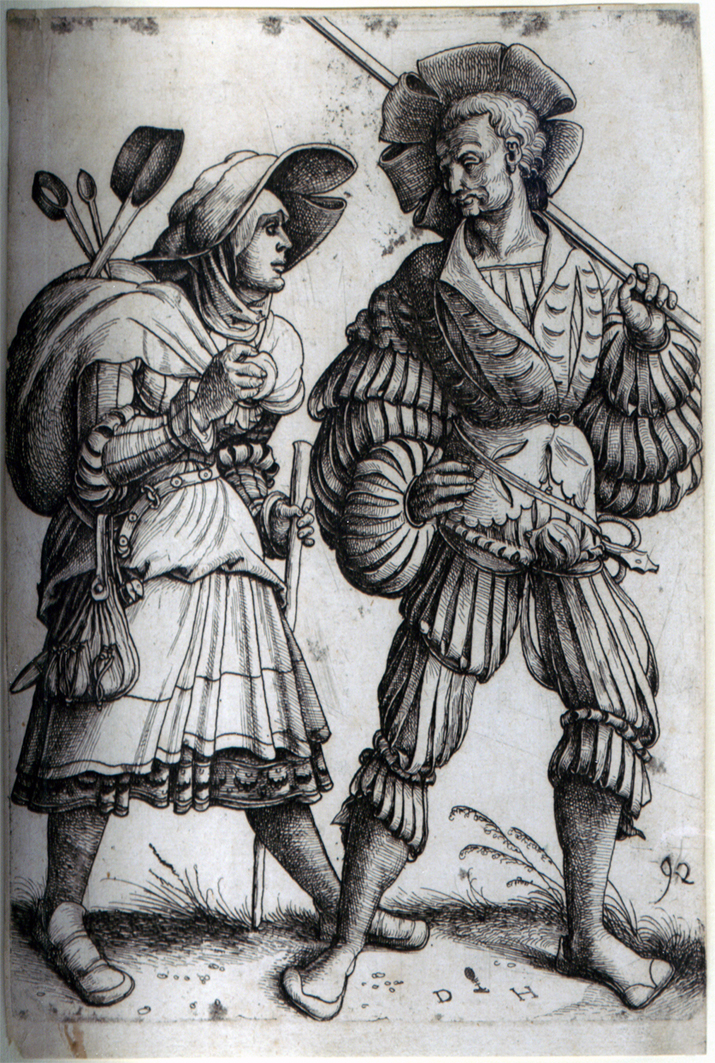
Etching is a technique that has been used for centuries to create detailed designs on metal surfaces. The process involves coating a metal plate with a layer of wax or varnish, and then using a sharp tool to scratch a design into the surface.
History of Etching
The history of etching dates back to the 15th century, when it was used to create intricate designs on armor and other metal objects. Over time, the technique evolved and was used to create a wide range of artworks, from decorative plates to intricate clockwork mechanisms.
Techniques and Materials
There are several different techniques and materials used in etching, including aquatint, mezzotint, and drypoint. Each technique produces a unique effect, and artists often experiment with different methods to achieve the desired result.
Modern Applications
Today, etching is used in a wide range of applications, from fine art to commercial manufacturing. Many artists continue to use traditional etching techniques to create unique and intricate designs, while others use modern technologies such as laser etching to produce high-precision designs.
Key Facts
- Year
- 1500
- Origin
- Europe
- Category
- Art
- Type
- Technique
Frequently Asked Questions
What is etching used for?
Etching is used to create detailed designs on metal surfaces, and is often used in fine art, commercial manufacturing, and other applications.
What are the different techniques used in etching?
There are several different techniques used in etching, including aquatint, mezzotint, and drypoint.
Is etching still used today?
Yes, etching is still used today in a wide range of applications, from fine art to commercial manufacturing.