
Contents
Overview
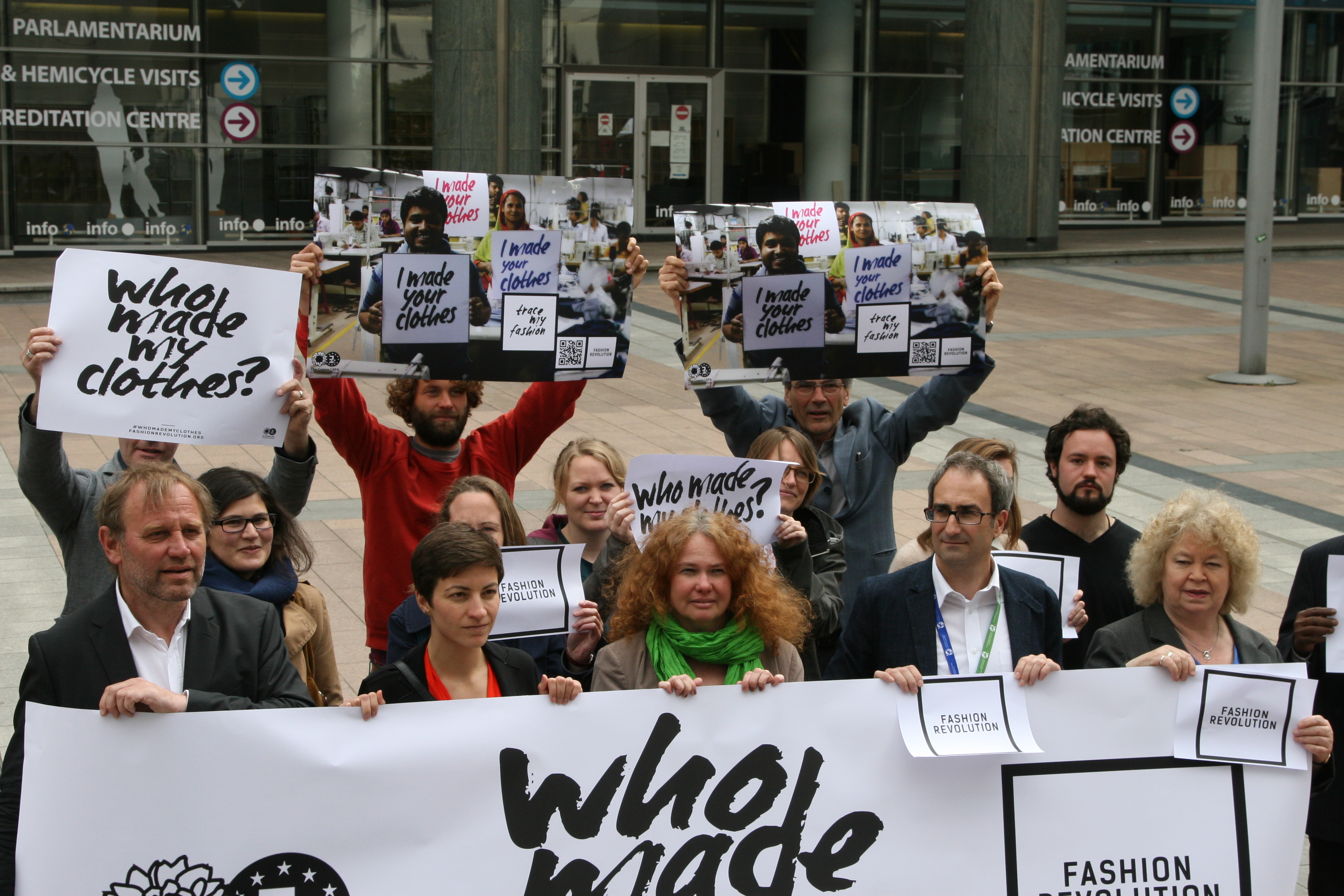
The roots of ethical fashion can be traced back to the early 20th-century labor movements and the rise of consumer activism against exploitative practices in industries like textiles. Precursors include the Fair Trade initiatives that began gaining traction in the 1950s and 60s, advocating for better conditions for producers in developing nations. The modern iteration of ethical fashion, however, gained significant momentum following the catastrophic Rana Plaza factory collapse in Bangladesh on April 24, 2013, which killed over 1,100 garment workers and injured thousands more. This tragedy galvanized organizations like Fashion Revolution, founded by Carry Somers and Orsola de Castro, to demand greater transparency and accountability from brands, sparking the global #WhoMadeMyClothes campaign.
⚙️ How It Works
Ethical fashion brands operate on a principle of holistic responsibility, extending beyond mere product aesthetics. This involves meticulous attention to the entire lifecycle of a garment, from the cultivation of raw materials to the final disposal. For instance, brands might source organic cotton from farms that avoid synthetic pesticides and fertilizers, reducing soil and water contamination. Manufacturing processes often prioritize water conservation techniques and the use of renewable energy. Crucially, ethical brands commit to fair labor standards, ensuring workers receive a living wage, have safe working environments, and are free from forced or child labor, often verified through certifications like Fair Trade Certified or SA8000. Transparency is paramount, with many brands publishing detailed information about their factories and supply chains on their websites, such as Everlane's early commitment to radical transparency.
📊 Key Facts & Numbers
The ethical fashion market is experiencing robust growth, with global revenues estimated at $7.5 billion in 2022, and projections indicating a surge to over $15 billion by 2030, reflecting a compound annual growth rate (CAGR) of approximately 7.2%. Consumers are increasingly willing to spend more on sustainable goods; a 2023 survey by Nielsen found that 73% of global consumers would change their consumption habits to reduce their environmental impact. The organic cotton market alone is expected to reach $10.2 billion by 2027. Furthermore, the resale market for clothing, a key component of circular fashion, is projected to double in value to $350 billion by 2027, according to ThredUp. Despite this growth, ethical brands still represent a fraction of the overall apparel industry, which is valued in the trillions of dollars globally.
👥 Key People & Organizations
Several key individuals and organizations have been instrumental in shaping the ethical fashion movement. Carry Somers and Orsola de Castro, co-founders of Fashion Revolution, have been tireless advocates for supply chain transparency since the Rana Plaza disaster in 2013, spearheading the #WhoMadeMyClothes campaign. Stella McCartney has long championed sustainable luxury fashion, eschewing leather and fur since her brand's inception in 2001. Patagonia, under the leadership of Yvon Chouinard, has consistently prioritized environmental activism and durable product design, famously donating 1% of sales to environmental causes through its 1% for the Planet initiative. Organizations like the Ethical Trading Initiative and Fair Wear Foundation work directly with brands and factories to improve labor conditions.
🌍 Cultural Impact & Influence
Ethical fashion has profoundly influenced consumer consciousness and industry practices. The widespread adoption of the #WhoMadeMyClothes hashtag by millions globally has pressured brands to disclose more about their manufacturing processes, moving the needle on supply chain transparency. This has led to increased consumer demand for sustainable materials like recycled polyester and Tencel, and a greater awareness of the environmental toll of fast fashion, exemplified by brands like Shein facing intense criticism. The rise of the secondhand clothing market and rental platforms like Rent the Runway are direct cultural responses to the unsustainable linear model of fast fashion. Furthermore, the aesthetic of ethical fashion has evolved from its early, often utilitarian, perception to encompass high fashion, with designers like Vivienne Westwood integrating political and environmental messages into their collections.
⚡ Current State & Latest Developments
The ethical fashion landscape in 2024 is marked by increasing innovation and a growing, albeit still nascent, integration of circular economy principles. Brands are experimenting with advanced recycling technologies, such as chemical recycling for textile waste, and exploring novel materials like mushroom leather and algae-based fabrics. The concept of 'digital passports' for garments, providing detailed information on materials and manufacturing, is gaining traction, aiming to enhance traceability. However, the industry is also grappling with the challenge of greenwashing, as more brands make sustainability claims without robust evidence. Regulatory bodies are beginning to respond, with initiatives like the EU's proposed Ecodesign Regulation aiming to set stricter environmental standards for textiles.
🤔 Controversies & Debates
The primary controversy surrounding ethical fashion brands is the pervasive issue of greenwashing, where companies make misleading claims about their environmental or social practices to attract conscious consumers. The complexity of global supply chains makes true transparency incredibly difficult, leading to debates about the authenticity of certifications and the actual impact of a brand's initiatives. For example, the Global Fashion Transparency Index, published by Fashion Revolution, has faced criticism for its methodology and scoring system. There's also an ongoing tension between the desire for affordability and the cost of truly ethical production; critics argue that many ethical brands remain inaccessible to lower-income consumers, creating a class divide in sustainable consumption. The definition of 'ethical' itself is also debated, with differing opinions on whether prioritizing environmental sustainability outweighs labor concerns, or vice versa.
🔮 Future Outlook & Predictions
The future of ethical fashion points towards greater integration of technology and a more robust regulatory framework. Expect to see wider adoption of blockchain technology for enhanced supply chain traceability, allowing consumers to verify a garment's journey from farm to closet. The development of more sophisticated material science will likely yield a wider array of sustainable and biodegradable alternatives to conventional fabrics. As consumer awareness continues to rise and regulatory pressures mount, brands that fail to demonstrate genuine ethical practices will face increasing reputational and financial risks. The concept of 'degrowth' within the fashion industry, advocating for reduced production and consumption, may also gain more traction as a radical response to the sector's inherent unsustainability.
💡 Practical Applications
Ethical fashion brands offer consumers tangible ways to align their purchasing power with their values. For individuals seeking to reduce their environmental footprint, choosing brands that utilize recycled materials or organic fibers is a direct application. For those concerned about labor rights, supporting brands that provide living wages and safe working conditions for garment workers is crucial. The rise of clothing rental services like Nuuly and Armoire provides a practical way to access a variety of styles without contributing to overconsumption. Furthermore, the growing repair and alteration services sector supports the longevity
Key Facts
- Category
- movements
- Type
- topic