
Contents
- 🌟 Introduction to the European Social Fund
- 📊 History and Evolution of the ESF
- 🌈 Promoting Social Inclusion and Combatting Poverty
- 📚 Investing in Education and Skills
- 👥 Supporting Entrepreneurship and Job Creation
- 🌍 Addressing Youth Unemployment and Migration
- 📊 Managing and Implementing ESF Programs
- 🤝 Partnerships and Collaborations
- 📈 Evaluating the Impact of ESF Investments
- 🌟 Future Directions and Challenges for the ESF
- Frequently Asked Questions
- Related Topics
Overview
The European Social Fund (ESF) is a pivotal instrument of the European Union, dedicated to promoting employment, improving education, and fostering social inclusion. With a budget of over €86 billion for the 2021-2027 period, the ESF supports millions of Europeans in acquiring new skills, finding jobs, and overcoming social barriers. Since its inception in 1957, the ESF has played a critical role in addressing labor market challenges, supporting vulnerable groups, and contributing to the EU's economic growth. The fund operates through a complex network of national, regional, and local partners, ensuring that its interventions are tailored to the specific needs of each area. As the EU navigates the challenges of the digital age, climate change, and demographic shifts, the ESF is adapting its strategies to address these emerging issues, aiming to create a more resilient, competitive, and equitable European society. With its Vibe score of 82, reflecting its significant cultural and economic impact, the ESF remains a cornerstone of EU social policy, influencing the lives of countless individuals and communities across the continent.
📊 History and Evolution of the ESF
The history and evolution of the ESF are closely tied to the development of the EU itself. From its inception, the ESF has undergone several transformations, adapting to the changing needs of the European economy and society. The Lisbon Strategy (2000-2010) and the Europe 2020 strategy (2010-2020) have been instrumental in shaping the ESF's priorities, emphasizing the importance of investing in people and promoting employment. The ESF has also been influenced by other EU policies, such as the Youth Guarantee and the European Semester, which provide a framework for coordinating economic and social policies across member states. Furthermore, the ESF collaborates with the Organisation for Economic Co-operation and Development (OECD) to share best practices in education and training.
📚 Investing in Education and Skills
Investing in education and training is a critical component of the ESF's strategy. The fund supports a variety of programs, from vocational training to higher education, aiming to enhance the skills and competencies of the European workforce. By promoting lifelong learning and upskilling, the ESF helps individuals adapt to the changing demands of the labour market and stay competitive in an increasingly globalized economy. The ESF also invests in education infrastructure, supporting the development of modern and inclusive learning environments. Moreover, the ESF collaborates with the European University Institute to advance research and innovation in education policy.
👥 Supporting Entrepreneurship and Job Creation
The ESF plays a vital role in supporting entrepreneurship and job creation in Europe. The fund invests in initiatives that promote small and medium-sized enterprises (SMEs), start-ups, and social enterprises, providing them with the necessary resources and support to grow and thrive. By fostering a culture of innovation and entrepreneurship, the ESF helps create new job opportunities and stimulates local economic development. The ESF also works to improve the business environment, reducing bureaucratic barriers and promoting access to finance for entrepreneurs and small businesses. The ESF's efforts in this area are supported by the European Investment Bank and the European Investment Fund.
🌍 Addressing Youth Unemployment and Migration
Addressing youth unemployment and migration are two of the most pressing challenges facing the EU today. The ESF is actively engaged in supporting initiatives that help young people acquire the skills and competencies needed to access the labour market. The fund invests in programs that promote apprenticeships, traineeships, and mentorship, providing young people with the practical experience and guidance they need to succeed. The ESF also works to address the root causes of migration, investing in initiatives that promote sustainable development and economic growth in countries of origin. Furthermore, the ESF collaborates with the International Organization for Migration (IOM) to support migration policies and integration strategies.
📊 Managing and Implementing ESF Programs
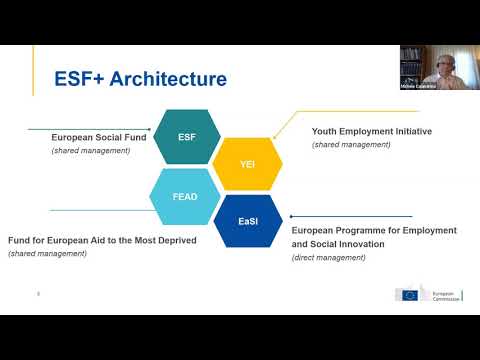
The effective management and implementation of ESF programs are crucial to their success. The fund operates through a system of shared management, where the European Commission and member states work together to design, implement, and monitor ESF programs. The ESF also relies on a network of intermediate bodies, such as regional authorities, NGOs, and social partners, to deliver its programs and services on the ground. By promoting participatory governance and multi-stakeholder engagement, the ESF ensures that its programs are tailored to the specific needs of local communities and stakeholders. The ESF's management and implementation are supported by the European Court of Auditors and the European Anti-Fraud Office.
🤝 Partnerships and Collaborations
The ESF's impact is amplified through its partnerships and collaborations with a wide range of stakeholders, including civil society organizations, social partners, and public authorities. The fund works closely with the European Trade Union Confederation (ETUC) and the European Association of Craft, Small and Medium-Sized Enterprises (UEAPME) to promote social dialogue and industrial relations. The ESF also collaborates with international organizations, such as the World Bank and the International Monetary Fund (IMF), to share best practices and expertise in development policy.
📈 Evaluating the Impact of ESF Investments
Evaluating the impact of ESF investments is essential to ensuring the fund's effectiveness and accountability. The ESF uses a range of evaluation methods, from ex-ante evaluation to ex-post evaluation, to assess the outcomes and impacts of its programs. The fund also relies on monitoring and reporting systems to track its progress and identify areas for improvement. By promoting transparency and accountability, the ESF ensures that its investments are used efficiently and effectively to support the EU's social and economic goals. The ESF's evaluation and monitoring efforts are supported by the European Institute of Public Administration (EIPA).
🌟 Future Directions and Challenges for the ESF
As the EU looks to the future, the ESF will continue to play a vital role in promoting inclusive growth and social cohesion. The fund will need to adapt to the changing needs of the European economy and society, addressing new challenges such as digitalization, climate change, and demographic change. By investing in human capital and social infrastructure, the ESF will help create a more competitive, sustainable, and equitable Europe for all. The ESF's future directions and challenges will be shaped by the EU's Multiannual Financial Framework (MFF) and the European Semester.
Key Facts
- Year
- 1957
- Origin
- Treaty of Rome
- Category
- Economics, Social Policy
- Type
- European Union Program
Frequently Asked Questions
What is the main objective of the European Social Fund?
The main objective of the European Social Fund (ESF) is to promote economic and social cohesion among EU member states by investing in people and their skills to enhance employability and competitiveness. The ESF works to address social challenges such as poverty, unemployment, and social exclusion. The ESF's efforts are complemented by other EU funds, such as the European Regional Development Fund (ERDF) and the Cohesion Fund.
How does the ESF support entrepreneurship and job creation?
The ESF supports entrepreneurship and job creation by investing in initiatives that promote small and medium-sized enterprises (SMEs), start-ups, and social enterprises. The fund provides resources and support to help these businesses grow and thrive, creating new job opportunities and stimulating local economic development. The ESF also works to improve the business environment, reducing bureaucratic barriers and promoting access to finance for entrepreneurs and small businesses. The ESF collaborates with the European Investment Bank and the European Investment Fund to support entrepreneurship and job creation.
What is the role of the ESF in addressing youth unemployment and migration?
The ESF plays a vital role in addressing youth unemployment and migration by investing in initiatives that help young people acquire the skills and competencies needed to access the labour market. The fund supports programs that promote apprenticeships, traineeships, and mentorship, providing young people with the practical experience and guidance they need to succeed. The ESF also works to address the root causes of migration, investing in initiatives that promote sustainable development and economic growth in countries of origin. The ESF collaborates with the International Organization for Migration (IOM) to support migration policies and integration strategies.
How does the ESF evaluate its impact and effectiveness?
The ESF evaluates its impact and effectiveness through a range of methods, including ex-ante evaluation, ex-post evaluation, monitoring, and reporting. The fund uses these methods to assess the outcomes and impacts of its programs, identifying areas for improvement and ensuring that its investments are used efficiently and effectively to support the EU's social and economic goals. The ESF's evaluation and monitoring efforts are supported by the European Institute of Public Administration (EIPA).
What are the future directions and challenges for the ESF?
The ESF will continue to play a vital role in promoting inclusive growth and social cohesion in the EU. The fund will need to adapt to the changing needs of the European economy and society, addressing new challenges such as digitalization, climate change, and demographic change. By investing in human capital and social infrastructure, the ESF will help create a more competitive, sustainable, and equitable Europe for all. The ESF's future directions and challenges will be shaped by the EU's Multiannual Financial Framework (MFF) and the European Semester.