
Contents
Overview
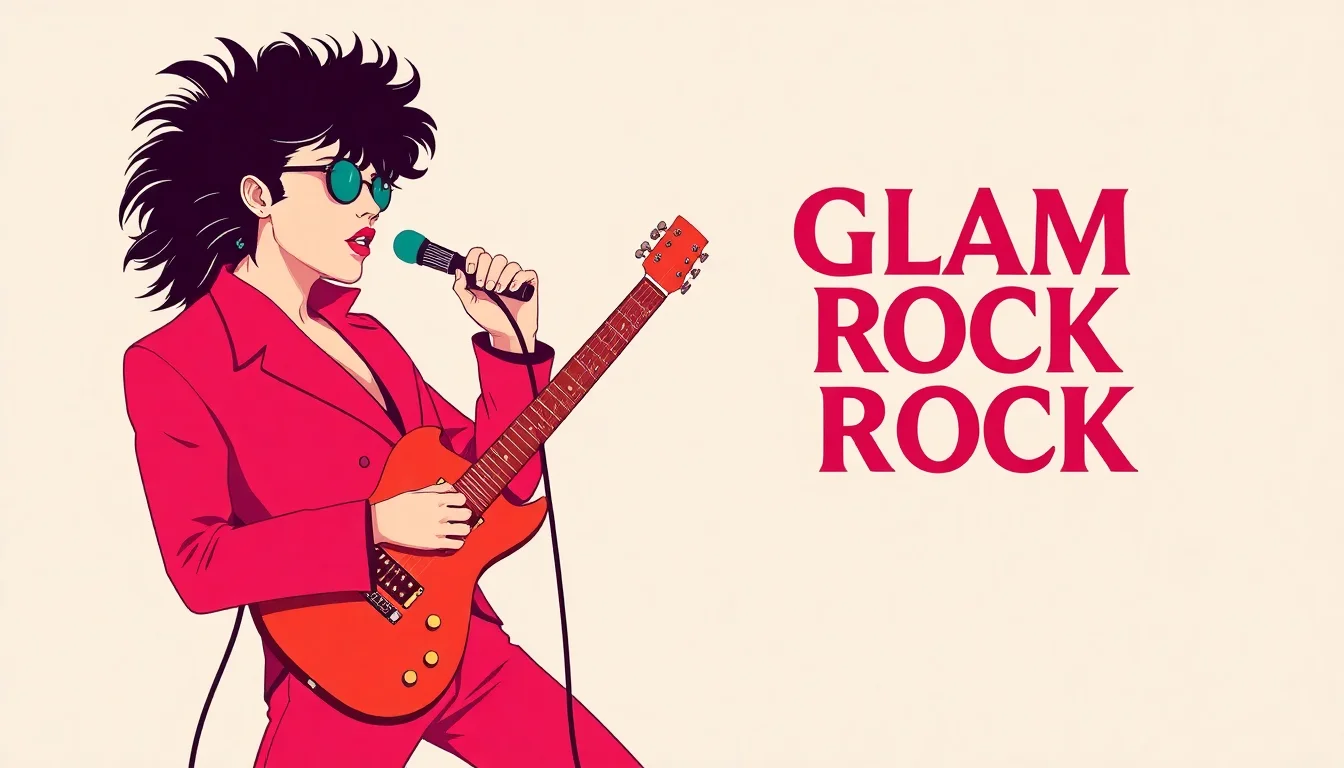
Glam rock, a dazzling explosion of sound and spectacle, burst onto the music scene in the early 1970s, primarily in the United Kingdom. It was more than just music; it was a full-blown cultural movement that challenged societal norms through its embrace of artificiality, escapism, and flamboyant self-expression. Artists donned glitter, platform boots, and outrageous costumes, blurring gender lines and creating a visual feast that perfectly complemented their catchy, often simple, rock anthems. The genre's roots can be traced to the psychedelic rock and proto-punk of the late 1960s, with bands like The Who and The Kinks experimenting with theatricality, while David Bowie's early work, particularly his The Man Who Sold the World album, laid crucial groundwork with its exploration of persona and sonic experimentation.
The commercial apex of glam rock arrived with artists like David Bowie (as Ziggy Stardust), T. Rex, Slade, and The Sweet, who dominated the charts throughout the mid-1970s. Their music often featured driving rhythms, memorable guitar riffs, and singalong choruses, making it incredibly accessible and popular. Beyond the music, glam rock's impact was profound, influencing fashion, art, and attitudes towards identity and performance. It paved the way for subsequent genres by demonstrating the commercial viability of artistic risk-taking and the power of visual presentation in music. While its peak popularity was relatively short-lived, its influence echoes through countless artists and genres that followed, from new wave and post-punk to modern pop and indie rock.
The Dawn of Glitter and Persona
The genesis of glam rock can be pinpointed to a specific moment: David Bowie's transformation into Ziggy Stardust in 1972. This character, with his fiery red mullet, alien persona, and theatrical stage show, became the archetype for a generation of artists who embraced artifice and escapism. However, Bowie wasn't alone. Marc Bolan of T. Rex had already achieved significant success with his glitter-infused image and catchy, boogie-woogie influenced rock, epitomized by hits like "Get It On." Bands like Slade and The Sweet offered a more working-class, raucous brand of glam, characterized by football-chant-like choruses and infectious energy, scoring massive UK hits with songs such as "Cum On Feel the Noize" and "Ballroom Blitz." The genre was a deliberate departure from the earnestness of late 1960s psychedelia and the burgeoning authenticity of proto-punk, opting instead for a playful, self-aware celebration of surface and style.
Beyond the Music: A Visual Revolution
Beyond the sonic elements, glam rock's visual component was paramount. It was a deliberate rejection of the prevailing denim-and-barefoot aesthetic of the hippie era. Artists like Gary Glitter (though later disgraced), Mott the Hoople, and Roxy Music (whose art-school approach pushed glam into more avant-garde territory) all contributed to a broad spectrum of visual expression. This included glitter, sequins, elaborate makeup, platform shoes (often exceeding 4 inches), and gender-bending costumes. The ambiguity and theatricality of these presentations challenged traditional notions of masculinity and rock stardom, making the genre a focal point for discussions about identity and performance. This visual innovation wasn't merely superficial; it was integral to the music's message of liberation and self-reinvention.
Echoes and Enduring Influence
While its chart dominance was relatively brief, lasting roughly from 1971 to 1974 in its purest form, glam rock's influence is undeniable and far-reaching. It directly inspired the punk movement, which reacted against glam's perceived excesses but retained its rebellious spirit and DIY ethos. Bands like the Sex Pistols and The Clash owe a debt to glam's disruption of the status quo. Furthermore, glam's emphasis on theatricality and visual identity can be seen in the DNA of new wave bands such as David Bowie himself (in his Berlin era), Devo, and Talking Heads. Later artists, from Madonna and Lady Gaga to Michael Jackson and Prince, have all drawn from glam's playbook of bold visual statements and genre-bending musicality. The genre's legacy is one of empowering individuality and proving that rock music could be as much about fantasy and spectacle as it was about raw emotion.
Key Facts
- Year
- 1970s
- Origin
- United Kingdom
- Category
- music
- Type
- genre
Frequently Asked Questions
What are the defining characteristics of Glam Rock?
Glam rock is defined by its visual spectacle: glitter, extravagant costumes, platform boots, makeup, and androgynous personas. Musically, it often features catchy guitar riffs, simple song structures, and anthemic choruses.
Who were the most important Glam Rock artists?
Key artists include David Bowie (especially his Ziggy Stardust era), T. Rex, Slade, Sweet, and Roxy Music. Alice Cooper is often cited as a precursor.
When was the peak of Glam Rock?
The genre reached its commercial peak in the United Kingdom primarily between 1971 and 1974.
How did Glam Rock influence later music genres?
Glam rock's emphasis on visual presentation, theatricality, and challenging gender norms heavily influenced punk rock, New Wave, synth-pop, and artists in various genres who embraced bold aesthetics and performance art.