
Contents
- 🌴 Origins & History
- 🏖️ Geography & Climate
- 📊 Key Facts & Numbers
- 👥 Key People & Organizations
- 🌍 Cultural Impact & Influence
- ⚡ Current State & Latest Developments
- 🤔 Controversies & Debates
- 🔮 Future Outlook & Predictions
- 💡 Practical Applications
- 📚 Related Topics & Deeper Reading
- Frequently Asked Questions
- References
- Related Topics
Overview
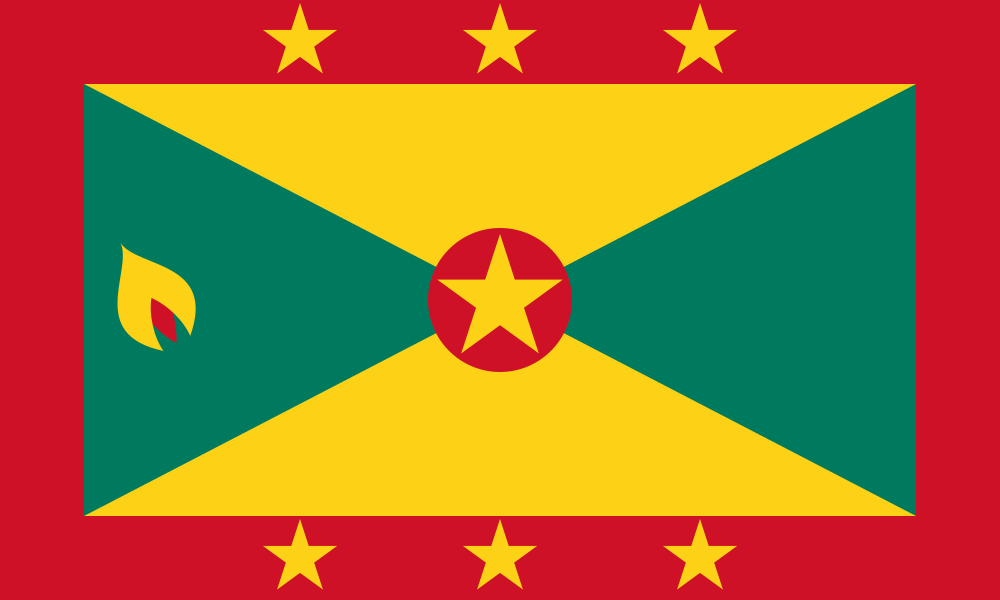
Grenada, an island country in the eastern Caribbean Sea, is known for its stunning beaches, lush rainforests, and vibrant culture. With a population of approximately 114,621 as of 2024, Grenada is a significant player in the regional economy, driven by its production of nutmeg and mace crops, earning it the nickname 'Island of Spice'. The country has a complex history, having been inhabited by indigenous Caribs before the arrival of Europeans, and later becoming a French and then British colony. Today, Grenada is an independent nation, with a growing tourism industry and a strong focus on sustainable development. The island's unique blend of African, European, and Caribbean influences has created a distinct cultural identity, reflected in its music, art, and cuisine. As a member of the Commonwealth of Nations, Grenada maintains strong ties with the UK and other Caribbean nations, while also forging its own path in the global community. With its stunning natural beauty, rich history, and resilient people, Grenada is a fascinating destination for travelers and a source of inspiration for those interested in Caribbean culture and history.
🌴 Origins & History
Grenada's history dates back to the pre-Columbian era, when it was inhabited by the indigenous Caribs from South America. The island was sighted by Christopher Columbus in 1498 during his third voyage to the Americas. Following several unsuccessful attempts by Europeans to colonize the island, due to resistance from the Caribs, Grenada was eventually colonized by the French in 1649. The island changed hands several times between the French and the British, with the British ultimately gaining control in 1783. Grenada gained independence from the UK in 1974, with Eric Gairy as its first prime minister.
🏖️ Geography & Climate
Grenada's geography is characterized by its stunning beaches, lush rainforests, and volcanic mountains. The island is home to several smaller islands, including Carriacou and Petite Martinique, which are part of the Grenadines. The capital city, St. George's, is a popular tourist destination, known for its colorful buildings, vibrant markets, and historic fortifications. Grenada's climate is tropical, with a wet season from June to November and a dry season from December to May.
📊 Key Facts & Numbers
As of 2024, Grenada's population is estimated to be around 114,621, with a growth rate of 0.5% per annum. The country has a GDP of approximately $1.4 billion, with a per capita income of around $12,000. Grenada's economy is driven by its production of nutmeg and mace crops, which account for around 20% of the country's exports. The island is also a popular tourist destination, with over 500,000 visitors per year. Grenada is a member of the Commonwealth of Nations and the Caribbean Community (CARICOM).
👥 Key People & Organizations
Grenada has been home to several notable individuals, including Eric Gairy, the country's first prime minister, and Milton Cato, who served as prime minister from 1990 to 1995. The island is also home to a number of organizations, including the Grenada Tourism Authority and the Grenada Chamber of Commerce. Grenada has a strong cultural scene, with a number of festivals and events throughout the year, including the Grenada Carnival and the Grenada Jazz Festival.
🌍 Cultural Impact & Influence
Grenada's cultural impact is evident in its unique blend of African, European, and Caribbean influences. The island's music, art, and cuisine are all reflective of this cultural diversity. Grenada is home to a number of talented musicians, including Alison Hinds and Rupee, who have gained international recognition for their contributions to the calypso and soca genres. The island's cuisine is also a reflection of its cultural diversity, with popular dishes including oil-down and pepper pot soup.
⚡ Current State & Latest Developments
As of 2024, Grenada is focused on sustainable development, with a number of initiatives aimed at reducing the country's carbon footprint and promoting eco-tourism. The island is also investing in its infrastructure, with a number of projects aimed at improving its roads, ports, and airports. Grenada is a popular destination for cruise ships, with over 200,000 passengers visiting the island per year. The country is also home to a number of all-inclusive resorts, which offer a range of amenities and activities for visitors.
🤔 Controversies & Debates
Grenada has been the subject of several controversies and debates, including its decision to join the Organisation of Eastern Caribbean States (OECS) and its participation in the Caribbean Court of Justice. The island has also been affected by a number of natural disasters, including Hurricane Ivan in 2004, which caused significant damage and loss of life. Grenada has also been impacted by the COVID-19 pandemic, with a number of cases reported on the island.
🔮 Future Outlook & Predictions
Looking to the future, Grenada is expected to continue its focus on sustainable development and eco-tourism. The island is also investing in its infrastructure, with a number of projects aimed at improving its roads, ports, and airports. Grenada is expected to remain a popular destination for tourists, with its unique blend of African, European, and Caribbean influences continuing to attract visitors from around the world. The island is also expected to play an increasingly important role in regional affairs, with its participation in the Caribbean Community (CARICOM) and the Organisation of Eastern Caribbean States (OECS).
💡 Practical Applications
Grenada's practical applications are evident in its unique blend of African, European, and Caribbean influences. The island's music, art, and cuisine are all reflective of this cultural diversity, and offer a range of opportunities for visitors and investors. Grenada is also home to a number of organizations, including the Grenada Tourism Authority and the Grenada Chamber of Commerce, which provide support and resources for businesses and entrepreneurs.
Key Facts
- Year
- 2024
- Origin
- Caribbean
- Category
- history
- Type
- place
Frequently Asked Questions
What is Grenada's capital city?
Grenada's capital city is St. George's, which is located on the southwestern coast of the island. The city is known for its colorful buildings, vibrant markets, and historic fortifications. St. George's is a popular tourist destination, with a number of attractions including the Fort George and the National Museum of Grenada.
What is Grenada's main industry?
Grenada's main industry is agriculture, with a focus on the production of nutmeg and mace crops. The island is also a popular tourist destination, with a number of resorts and hotels catering to visitors from around the world. Grenada's unique blend of African, European, and Caribbean influences has created a distinct cultural identity, reflected in its music, art, and cuisine.
What is Grenada's population?
As of 2024, Grenada's population is estimated to be around 114,621, with a growth rate of 0.5% per annum. The island has a relatively small population, but it is densely populated, with a population density of around 330 people per square kilometer.
What is Grenada's currency?
Grenada's currency is the Eastern Caribbean dollar (XCD), which is pegged to the US dollar. The island is also a member of the Eastern Caribbean Central Bank, which regulates the region's monetary policy.
What is Grenada's language?
Grenada's official language is English, but the island also has a number of other languages, including Grenadian Creole and Patwa. The island's unique cultural identity is reflected in its language, with a number of distinct dialects and accents.
What is Grenada's culture?
Grenada's culture is a unique blend of African, European, and Caribbean influences. The island is home to a number of festivals and events throughout the year, including the Grenada Carnival and the Grenada Jazz Festival. Grenada's music, art, and cuisine are all reflective of its cultural diversity, with popular dishes including oil-down and pepper pot soup.
What is Grenada's history?
Grenada has a complex history, with a number of different colonial powers vying for control of the island over the centuries. The island was sighted by Christopher Columbus in 1498, and was later colonized by the French and the British. Grenada gained independence from the UK in 1974, with Eric Gairy as its first prime minister.