
Contents
- 🌡️ What Exactly is a Heat Wave?
- 🌍 Global Hotspots & Trends
- 📈 The Climate Change Connection
- 💥 Impacts on Human Health
- 🌱 Ecological Disruptions
- ⚡ Infrastructure Under Strain
- 💡 Historical Precedents
- ⚖️ Defining 'Extreme': The Controversy
- 🛡️ Preparing for the Heat
- 🔮 The Future of Heat Waves
- Frequently Asked Questions
- Related Topics
Overview
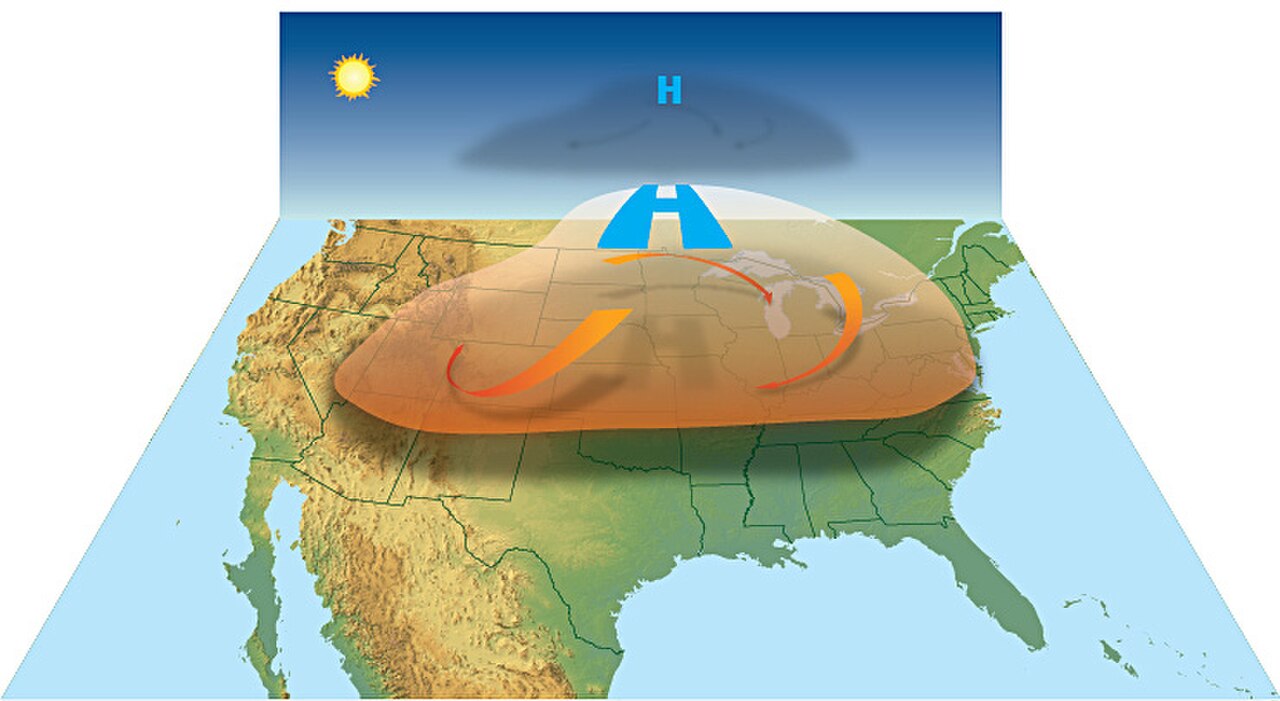
A heat wave, or extreme heat event, is fundamentally a period of abnormally hot weather that persists for multiple days. What constitutes 'abnormally hot' is relative to the typical climate of a region and the season. Temperatures considered commonplace in one locale might trigger a heat wave in another, simply because they deviate significantly from the established normal climate pattern. This variability makes precise, universal definitions challenging, but the core concept remains a sustained departure from expected temperatures. The Vibepedia knowledge graph maps these events based on their deviation from historical norms and their duration, providing a nuanced understanding beyond simple temperature readings.
🌍 Global Hotspots & Trends
Across the globe, certain regions are becoming increasingly susceptible to prolonged periods of extreme heat. In 2024, the World Meteorological Organization reported record-breaking temperatures affecting Europe, North America, and China. Many areas experienced consecutive days where temperatures soared above 45°C (113°F). These persistent, high-temperature events are not isolated incidents but indicative of a broader global trend. Understanding these regional climate patterns is crucial for preparedness and mitigation efforts, as the intensity and frequency of these events continue to climb.
📈 The Climate Change Connection
The scientific consensus, supported by extensive data since the 1950s, points to climate change as the primary driver behind the increasing frequency and intensity of heat waves over land. As global temperatures rise due to greenhouse gas emissions, the baseline for 'normal' weather shifts, making extreme heat events more likely and more severe. This phenomenon is a direct consequence of human activity, altering the Earth's energy balance and pushing weather systems into more volatile states. The IPCC has extensively documented this link in its assessment reports.
💥 Impacts on Human Health
The human health implications of heat waves are profound and often deadly. Prolonged exposure to extreme heat can lead to heat exhaustion, heatstroke, and exacerbate pre-existing cardiovascular and respiratory conditions. Vulnerable populations, including the elderly, young children, and those with chronic illnesses, are at the highest risk. The WHO estimates that heat waves are responsible for thousands of excess deaths annually, a figure projected to rise without significant adaptation measures. Public health advisories and cooling centers become critical during these periods.
🌱 Ecological Disruptions
Beyond human health, heat waves inflict severe damage on ecosystems. Plants can suffer from drought stress, leading to widespread wilting and increased susceptibility to pests and diseases. Wildlife faces challenges finding water and shelter, disrupting food chains and leading to population declines. Marine ecosystems are also affected, with rising ocean temperatures contributing to coral bleaching and impacting fisheries. The biodiversity crisis is thus intertwined with the escalating threat of extreme heat events.
⚡ Infrastructure Under Strain
The infrastructure we rely on daily is not designed to withstand prolonged periods of extreme heat. Power grids can become overloaded as demand for air conditioning surges, leading to blackouts. Transportation systems are also vulnerable; railway tracks can buckle, and roads can melt. Water supply systems may face increased strain due to higher demand for cooling and irrigation. These cascading failures highlight the systemic risks posed by heat waves, impacting everything from economic activity to essential services. The resilience of urban infrastructure is a growing concern.
💡 Historical Precedents
While recent decades have seen a marked increase in heat waves, extreme heat events are not entirely new. Historical records, though less precise than modern meteorological data, document periods of intense heat that shaped societies and economies. For instance, the Dust Bowl era in the United States during the 1930s was characterized by prolonged droughts and extreme temperatures. Understanding these historical climate events provides context for current trends and informs strategies for long-term adaptation.
⚖️ Defining 'Extreme': The Controversy
Defining what constitutes a 'heat wave' remains a subject of debate, particularly regarding the precise temperature thresholds and spatial extent. The WMO provides guidelines, but local meteorological services often adapt these based on regional climate norms. This ambiguity can complicate public communication and emergency response. Is a sustained period of 35°C a heat wave in Scandinavia, while merely a warm spell in the Sahara? The controversy lies in balancing universal scientific metrics with localized lived experience and adaptation.
🛡️ Preparing for the Heat
Preparing for heat waves requires a multi-pronged approach. Public health campaigns should educate citizens on recognizing symptoms of heat-related illness and available cooling resources. Urban planning can incorporate 'cool roofs,' green spaces, and improved ventilation systems to mitigate the urban heat island effect. Early warning systems, like those developed by national weather services, are crucial for timely alerts. Individuals can take practical steps such as staying hydrated, avoiding strenuous activity during peak heat, and checking on vulnerable neighbors. Disaster preparedness frameworks increasingly include heat wave protocols.
🔮 The Future of Heat Waves
The trajectory of heat waves points towards a future where extreme heat becomes a more frequent and intense feature of the global climate. Projections suggest that without aggressive mitigation of greenhouse gas emissions, many regions could experience conditions that are currently considered exceptionally rare. This will necessitate significant societal and infrastructural adaptations. The question is not if we will face more extreme heat, but how we will adapt and who will bear the greatest burden of these escalating temperatures. The future of climate policy will be a critical determinant.
Key Facts
- Year
- 2023
- Origin
- Vibepedia.wiki
- Category
- Natural Phenomena / Climate Events
- Type
- Phenomenon
Frequently Asked Questions
What is the official definition of a heat wave?
There isn't a single, universally agreed-upon definition. Generally, it's a period of abnormally hot weather lasting for multiple days. The World Meteorological Organization (WMO) provides guidelines, but specific definitions often vary by region and are based on deviations from local climate norms. For example, a heat wave in a cooler climate might be defined by temperatures that would be considered normal in a hotter region.
How are heat waves measured?
Heat waves are typically measured by comparing current temperatures to historical averages for a specific location and time of year. Key metrics include the duration of the event, the peak temperature reached, and the number of consecutive days above a certain threshold (e.g., 40°C or 104°F). The intensity is often described by how much the temperature deviates from the norm.
Are heat waves becoming more common due to climate change?
Yes, scientific consensus overwhelmingly indicates that heat waves are becoming more frequent, more intense, and longer-lasting due to climate change. The increase in global average temperatures raises the baseline, making extreme heat events more probable. This trend has been observed across most land regions since the mid-20th century.
What are the main health risks associated with heat waves?
The primary health risks include heat exhaustion, heatstroke, dehydration, and the exacerbation of pre-existing conditions like heart disease and respiratory illnesses. Heatstroke, a medical emergency, occurs when the body can no longer regulate its temperature. Vulnerable populations, such as the elderly, young children, and those with chronic health issues, are at the highest risk.
How can communities prepare for heat waves?
Preparation involves public health initiatives, urban planning, and individual actions. Communities can establish cooling centers, implement early warning systems, and promote public awareness campaigns. Urban planning can focus on increasing green spaces and using reflective materials for buildings and roads. Individuals should stay hydrated, limit outdoor activity during peak heat, and check on vulnerable neighbors.
What is the difference between a heat wave and a heat dome?
A heat wave is a period of abnormally hot weather. A heat dome is a specific meteorological phenomenon that can cause a heat wave. It's a persistent region of high pressure that traps heat over an area, preventing cooler air from moving in and causing temperatures to soar and remain elevated for an extended period.