
Contents
Overview
Automotive infotainment systems represent the convergence of in-car entertainment (ICE) and information delivery, transforming the vehicle cabin into a connected digital hub. These systems integrate audio, navigation, communication, and increasingly, advanced driver-assistance features through sophisticated hardware and software. Originating with simple AM/FM radios, infotainment has exploded in complexity, now featuring high-resolution touchscreens, voice control, smartphone integration via Apple CarPlay and Android Auto, and over-the-air (OTA) updates. The global market for these systems is projected to exceed $60 billion by 2027, underscoring their central role in vehicle design and consumer experience. As vehicles become more autonomous, infotainment is poised to become an even more critical component, offering passengers immersive entertainment, productivity tools, and seamless connectivity.
🎵 Origins & History
The history of in-car audio systems began with the introduction of car radios. Companies like Pioneer and Alpine were early pioneers in offering aftermarket head units with advanced features like navigation systems, often powered by GPS technology, and touch-screen interfaces, paving the way for factory-installed systems that would become standard.
⚙️ How It Works
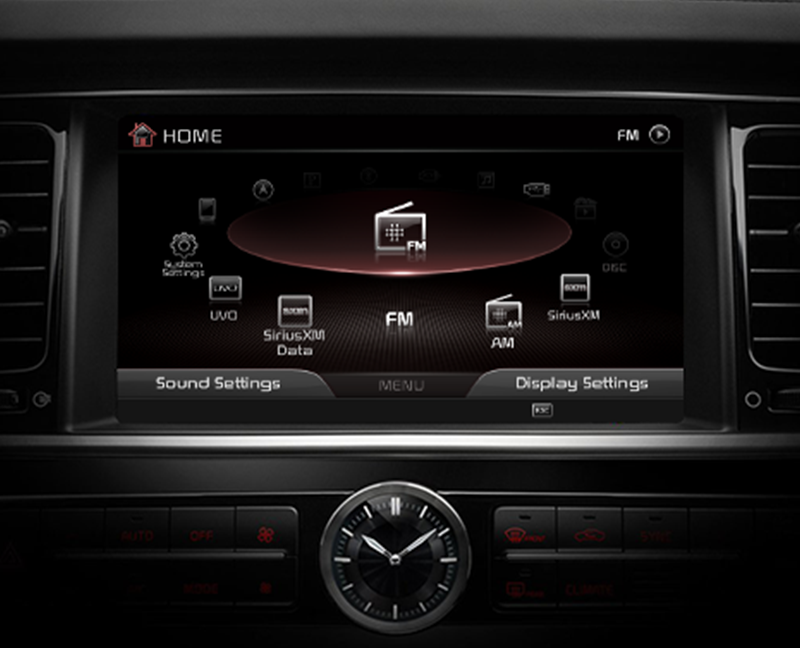
At its core, an infotainment system is a complex interplay of hardware and software. The hardware typically includes a central processing unit (CPU), memory (RAM and storage), a display screen (often a touchscreen), audio amplifiers, tuners (AM/FM, satellite radio), and various input/output ports (USB, Bluetooth, Wi-Fi). The software stack is layered, starting with an operating system (often Linux-based, QNX, or Android Automotive OS), middleware for managing vehicle functions, and finally, the user interface (UI) and applications. Connectivity is paramount, with systems communicating with external devices via Bluetooth and Wi-Fi, and often integrating with vehicle networks like CAN bus to access vehicle data such as speed, fuel level, and climate control. Advanced features like augmented reality navigation overlays are rendered by dedicated graphics processors.
📊 Key Facts & Numbers
The automotive infotainment market is a colossal enterprise, valued at approximately $45 billion in 2023 and projected to surge past $60 billion by 2027, according to reports from Statista. Over 90% of new vehicles sold in 2023 featured touchscreens as the primary interface, with average screen sizes increasing to over 10 inches diagonally. Smartphone integration, through Apple CarPlay and Android Auto, is now standard in over 70% of new vehicles globally. The average cost of a factory-installed infotainment system can range from $500 to over $3,000, depending on the vehicle segment and feature set. Furthermore, the over-the-air (OTA) update market for infotainment software is expected to grow to over $2 billion by 2025, enabling continuous feature enhancements.
👥 Key People & Organizations
Key players in the infotainment ecosystem span across automotive manufacturers, Tier 1 suppliers, and technology giants. Automotive manufacturers like Volkswagen Group, General Motors, and Toyota Motor Corporation design and integrate these systems into their vehicles. Major Tier 1 suppliers such as Bosch, Continental AG, and Harman International (a Samsung subsidiary) are responsible for developing and manufacturing the hardware and software components. Technology behemoths like Google (with Android Automotive OS) and Apple (with Apple CarPlay) are increasingly influential, providing operating systems and integration platforms that set industry standards. Qualcomm is a dominant force in providing the underlying chipsets that power these complex systems.
🌍 Cultural Impact & Influence
Infotainment systems have fundamentally reshaped the automotive experience, transforming cars from mere transportation devices into mobile living spaces. They have normalized the expectation of seamless digital connectivity on the go, influencing consumer purchasing decisions more than ever before. The ubiquity of features like navigation and streaming audio has made long drives more engaging and less stressful. Moreover, the integration of safety features, such as rearview cameras and parking assist displays, has demonstrably improved vehicle safety. The visual design and user experience of infotainment interfaces have also begun to influence UI/UX design in other industries, blurring the lines between automotive and consumer electronics aesthetics. The rise of in-car app stores, pioneered by companies like BMW, further extends this cultural integration.
⚡ Current State & Latest Developments
The current landscape of automotive infotainment is defined by rapid advancement and increasing complexity. The push towards software-defined vehicles means that infotainment systems are no longer static features but evolving platforms capable of receiving regular OTA updates, much like a smartphone. Android Automotive OS is gaining significant traction, offering a more native Android experience within the car, while Apple CarPlay continues its dominance in smartphone mirroring. Generative AI is beginning to appear, powering more natural and context-aware voice assistants. Furthermore, the integration of advanced driver-assistance systems (ADAS) into the infotainment display is becoming more common, providing drivers with richer visual feedback on their surroundings and vehicle status. Nvidia's Drive platform is a key enabler of these sophisticated visual and AI capabilities.
🤔 Controversies & Debates
The integration of infotainment systems is not without its controversies. A primary concern is driver distraction; complex interfaces and the temptation of connectivity can divert attention from the road, leading to accidents. Studies by organizations like the National Highway Traffic Safety Administration (NHTSA) have highlighted the risks associated with interacting with touchscreens and voice commands. Data privacy is another major issue, as these systems collect vast amounts of user data, including location, driving habits, and personal preferences, raising questions about how this information is stored, used, and protected by manufacturers and third-party app developers. The rapid obsolescence of hardware and software also presents an environmental challenge, contributing to electronic waste.
🔮 Future Outlook & Predictions
The future of automotive infotainment points towards deeper integration and enhanced personalization. Expect to see more sophisticated AI-powered assistants that can proactively manage schedules, suggest routes based on real-time traffic and personal preferences, and even control vehicle functions. Augmented reality displays, projecting navigation cues and hazard warnings directly onto the windshield via HUDs, will become more prevalent. The vehicle cabin will increasingly function as a third space, with advanced entertainment options, in-car gaming, and productivity tools becoming standard. As autonomous driving technology matures, the role of infotainment will shift from driver assistance to passenger experience, potentially transforming commutes into productive work sessions or immersive entertainment opportunities. BlackBerry's QNX platform is expected to remain a critical foundation for many of these future systems.
💡 Practical Applications
Infotainment systems serve a multitude of practical applications that enhance the driving experience and vehicle utility. Navigation is perhaps the most obvious, providing real-time directions, traffic updates, and points of interest. Communication features allow for hands-free calling and text messaging, keeping drivers connected safely. Entertainment options range from AM/FM and satellite radio to streaming music and podcasts via smartphone integration or built-in apps. Climate control and vehicle settings are often managed through the central display, offering a consolidated interface. Increasingly, infotainment systems also display information from ADAS, such as blind-spot monitoring alerts, lane departure warnings, and 360-degree camera views, improving situational awareness and safety.
Key Facts
- Category
- technology
- Type
- topic