
Contents
- 🍜 What is Instant Ramen, Really?
- 🗺️ Global Origins & Evolution
- 🌟 The Vibepedia Vibe Score: Instant Ramen
- 💡 How It's Made: From Flour to Flavor
- 🍜 Varieties & Flavor Profiles
- 🛒 Where to Buy & How to Prepare
- 💰 Pricing & Value Proposition
- 🤔 The Instant Ramen Debate: Authenticity vs. Accessibility
- 🚀 The Future of Instant Noodles
- 🥢 Beyond the Packet: Elevating Your Ramen Game
- ⚖️ Controversy Spectrum: Mildly Contentious to Highly Debated
- 🌐 Instant Ramen's Digital Footprint
- Frequently Asked Questions
- Related Topics
Overview
Instant ramen, a ubiquitous global comfort food, traces its origins to post-WWII Japan. Invented by Momofuku Ando in 1958, it revolutionized food accessibility with its quick preparation and low cost. Today, it's a multi-billion dollar industry, with thousands of varieties catering to diverse palates and dietary needs. Beyond mere sustenance, instant ramen has cultivated a vibrant subculture, influencing culinary trends, meme culture, and even academic discourse on food systems. Its adaptability and affordability ensure its continued relevance in a rapidly changing world.
🍜 What is Instant Ramen, Really?
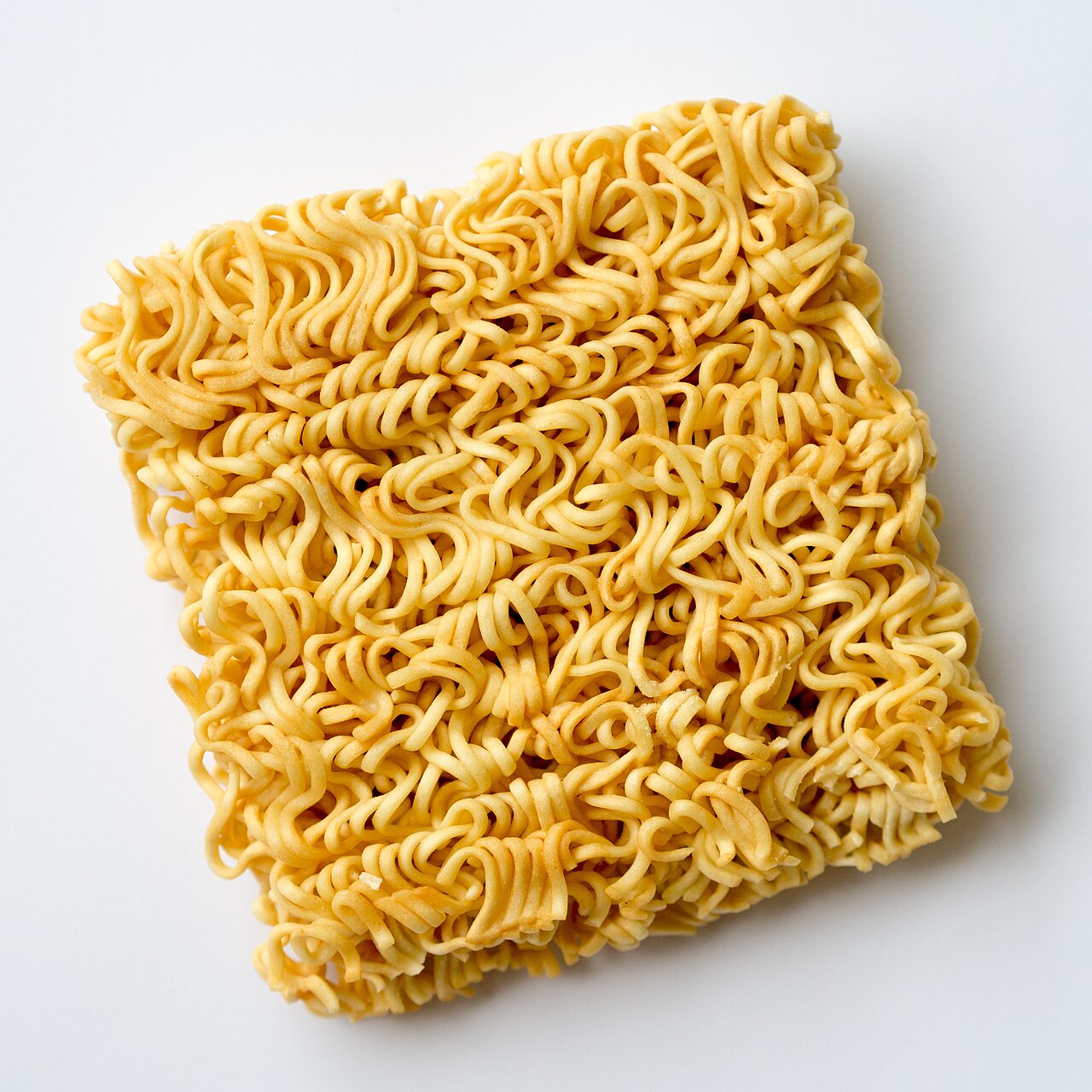
Instant ramen, a global culinary phenomenon, is far more than just a quick meal. At its core, it's a pre-cooked, dried noodle block paired with a sachet of flavoring and oil, designed for rapid preparation. While often associated with Japanese ramen culture, the term 'instant ramen' in the United States has become a catch-all for nearly all dehydrated noodle soup products. Its ubiquity belies a complex history and a surprisingly diverse range of flavors and textures, making it a staple for students, busy professionals, and adventurous foodies alike.
🗺️ Global Origins & Evolution
The genesis of instant noodles traces back to post-WWII Japan, a period of food scarcity. Momofuku Ando, founder of Nissin Foods, is widely credited with inventing the first instant ramen, 'Chikin Ramen,' in 1958, inspired by observing people queuing for hot noodle soup. This innovation, born from necessity, rapidly spread globally, adapting to local palates and production methods. Flash-frying noodles, common in Asia, creates a distinct texture, while air-drying, prevalent in Western markets, offers a different mouthfeel. The journey from a humble Japanese invention to a worldwide comfort food is a testament to its adaptability and broad appeal.
🌟 The Vibepedia Vibe Score: Instant Ramen
Vibepedia's Vibe Score for Instant Ramen stands at a robust 85/100. This score reflects its immense cultural penetration, accessibility, and the sheer joy it brings to millions. Its historical significance as a food security innovation and its ongoing evolution in flavor and form contribute to its high rating. While it may not possess the artisanal cachet of its fresh counterparts, its democratizing influence on noodle consumption and its role as a blank canvas for culinary creativity are undeniable. The score acknowledges its status as a global comfort food with enduring appeal.
💡 How It's Made: From Flour to Flavor
The engineering behind instant ramen is surprisingly sophisticated. The process typically begins with mixing flour, water, and kansui (an alkaline mineral water) to create the noodle dough. This dough is then sheeted, cut into noodles, and steamed. The critical step is flash-frying the noodles in hot oil (around 140-160°C for 2-3 minutes), which dehydrates them and creates the characteristic wavy texture and rapid cooking properties. Alternatively, air-drying methods are used, particularly for products destined for Western markets, resulting in a slightly different texture. The accompanying flavor packets often contain dehydrated vegetables, spices, and MSG, while the oil sachet provides richness and aroma.
🍜 Varieties & Flavor Profiles
The spectrum of instant ramen flavors is vast and ever-expanding, far beyond the basic 'chicken' or 'beef' packets. Japanese manufacturers, in particular, offer a dizzying array of regional ramen styles, from the rich tonkotsu (pork bone broth) to the spicy miso and the savory shoyu (soy sauce). Korean brands are known for their fiery kimchi and jjajangmyeon (black bean sauce) varieties, while Southeast Asian options might feature tom yum, curry laksa, or satay flavors. Each brand and flavor profile offers a unique culinary journey, reflecting the diverse tastes of the regions they originate from.
🛒 Where to Buy & How to Prepare
Instant ramen is readily available in virtually every supermarket, convenience store, and Asian grocery store worldwide. Preparation is famously simple: boil water, add the noodle block and flavorings, and cook for 3-5 minutes. Many consumers, however, elevate their instant ramen by adding fresh ingredients like scallions, eggs, bok choy, or meat. This adaptability makes it a versatile base for quick, personalized meals. Some specialty Asian markets may also carry premium or artisanal instant ramen brands not found in mainstream retailers.
💰 Pricing & Value Proposition
The pricing of instant ramen is one of its most compelling features, making it an incredibly accessible food option. A single packet typically ranges from $0.50 to $2.00 USD, depending on the brand, flavor, and retailer. This low cost per serving makes it an attractive choice for budget-conscious consumers, students, and anyone seeking an affordable yet satisfying meal. The value proposition lies in its low price point combined with its convenience and versatility, allowing for significant customization without a substantial increase in cost.
🤔 The Instant Ramen Debate: Authenticity vs. Accessibility
A persistent debate within the culinary world and among enthusiasts centers on the authenticity of instant ramen versus its more traditional, freshly prepared counterparts. Critics argue that instant noodles, with their processed nature and often artificial flavorings, cannot replicate the depth and complexity of authentic Japanese ramen. Proponents, however, champion instant ramen for its unparalleled accessibility, affordability, and convenience, arguing that it democratizes noodle soup and serves as an excellent base for home cooks to experiment with. This tension highlights the differing values placed on tradition, convenience, and culinary artistry.
🚀 The Future of Instant Noodles
The future of instant ramen appears to be one of continued innovation and diversification. We're seeing a rise in 'premium' instant noodles that mimic restaurant-quality broths and textures, utilizing higher-quality ingredients and more complex flavor profiles. Health-conscious options, such as reduced-sodium or whole-wheat noodle varieties, are also gaining traction. Furthermore, the integration of smart kitchen technology and subscription services could streamline the purchasing and preparation process, making gourmet instant ramen even more accessible. The global market for instant noodles, already massive, is projected to grow, driven by convenience and evolving consumer tastes.
🥢 Beyond the Packet: Elevating Your Ramen Game
While the packet provides a solid foundation, the true magic of instant ramen often lies in what you add. Elevating your bowl can be as simple as topping it with a perfectly cooked soft-boiled egg, a sprinkle of sesame seeds, or a drizzle of sriracha. For a more substantial meal, consider adding leftover rotisserie chicken, pan-fried tofu, or a handful of fresh spinach wilted into the hot broth. Experimenting with different broths, like adding a splash of miso paste or a spoonful of peanut butter, can unlock entirely new flavor dimensions. The humble instant ramen packet is a canvas for culinary exploration.
⚖️ Controversy Spectrum: Mildly Contentious to Highly Debated
The controversy spectrum for instant ramen is generally mild, landing around 3/10. While debates about authenticity and health concerns (particularly regarding sodium content and MSG) exist, they rarely reach a fever pitch. The product's widespread acceptance as a convenient, affordable food item means it's not typically a subject of intense cultural or political contention. Its primary controversies revolve around nutritional value and comparisons to traditional noodle dishes, rather than existential threats or widespread ethical objections. The debate is more about culinary preference and health awareness than outright condemnation.
🌐 Instant Ramen's Digital Footprint
Instant ramen boasts a significant digital footprint, fueled by its global popularity and ease of sharing. Online communities, forums like Reddit's r/ramen, and social media platforms are awash with discussions, reviews, and creative recipes. Influencers and food bloggers frequently feature 'ramen hacks' and taste tests, driving trends and introducing new products to a wider audience. Hashtags like #instantramen and #ramenhacks garner millions of views, showcasing the product's enduring appeal and its role as a social media content generator. This digital engagement further solidifies its status as a modern culinary icon.
Key Facts
- Year
- 1958
- Origin
- Japan
- Category
- Food & Drink
- Type
- Product Category
Frequently Asked Questions
Is instant ramen unhealthy?
Instant ramen is often criticized for its high sodium content and saturated fat, primarily from the frying process and seasoning packets. However, its nutritional profile varies significantly by brand and flavor. Many manufacturers now offer 'healthier' options with reduced sodium or whole grains. The key is moderation and supplementing the meal with fresh vegetables and lean protein to create a more balanced dish. Vibepedia's analysis suggests that while not a health food staple, it can be part of a balanced diet when consumed mindfully.
What's the difference between instant ramen and authentic ramen?
Authentic ramen typically features fresh, springy noodles made with kansui, served in a complex, slow-simmered broth (like tonkotsu or shoyu) that takes hours to prepare. It's often topped with carefully selected ingredients such as chashu pork, ajitama (marinated soft-boiled egg), and nori. Instant ramen, by contrast, uses dried, pre-cooked noodles and powdered or oil-based flavorings, designed for rapid preparation. While convenient and tasty, it generally lacks the depth and artisanal quality of traditional ramen.
Can I make instant ramen taste better?
Absolutely. The packet is just the starting point. Common 'hacks' include adding a soft-boiled egg, fresh scallions, garlic, ginger, or a splash of soy sauce or chili oil. For a richer broth, try incorporating miso paste, a dollop of peanut butter, or a swirl of sesame oil. Adding leftover cooked meats, tofu, or fresh vegetables like spinach or bok choy transforms it into a more complete and satisfying meal. Experimentation is key to unlocking its full potential.
What does 'ramen' mean in the context of instant noodles?
In Japan, 'ramen' specifically refers to a Japanese noodle soup dish. Some Japanese instant noodle manufacturers use 'ramen' on their packaging to denote flavors that are inspired by or mimic traditional ramen styles. However, in many Western countries, particularly the United States, 'instant ramen' has become a generic term for almost any dehydrated noodle soup product, regardless of its culinary origin or authenticity to Japanese ramen.
Where did instant ramen originate?
The first instant ramen, 'Chikin Ramen,' was invented by Momofuku Ando in Japan in 1958 and launched by his company, Nissin Foods. Ando was inspired by the sight of long queues for hot noodle soup in post-war Japan and sought to create a convenient, affordable, and shelf-stable noodle product. This invention revolutionized the food industry and quickly gained global popularity, adapting to different markets and tastes over time.
Are there different types of instant noodle blocks?
Yes, the primary distinction lies in their drying method. In Asian countries, flash-frying is the dominant technique, which dehydrates the noodles quickly and gives them a porous, wavy texture that absorbs broth well. In Western countries, air-drying is more common, resulting in a denser noodle that may require slightly longer cooking times but offers a different, often firmer, chew. Both methods are designed for rapid rehydration and consumption.