
Contents
- 💧 What is Irrigation Management?
- 🗺️ Who Needs This Expertise?
- 🛠️ Core Components of Effective Management
- 📈 Historical Roots & Evolution
- ⚖️ The Water Allocation Debate
- 💡 Modern Innovations & Tech
- 🌍 Global Impact & Challenges
- 💰 Investment & Returns
- ⭐ User Feedback & Case Studies
- 🚀 Getting Started with Better Water Use
- Frequently Asked Questions
- Related Topics
Overview
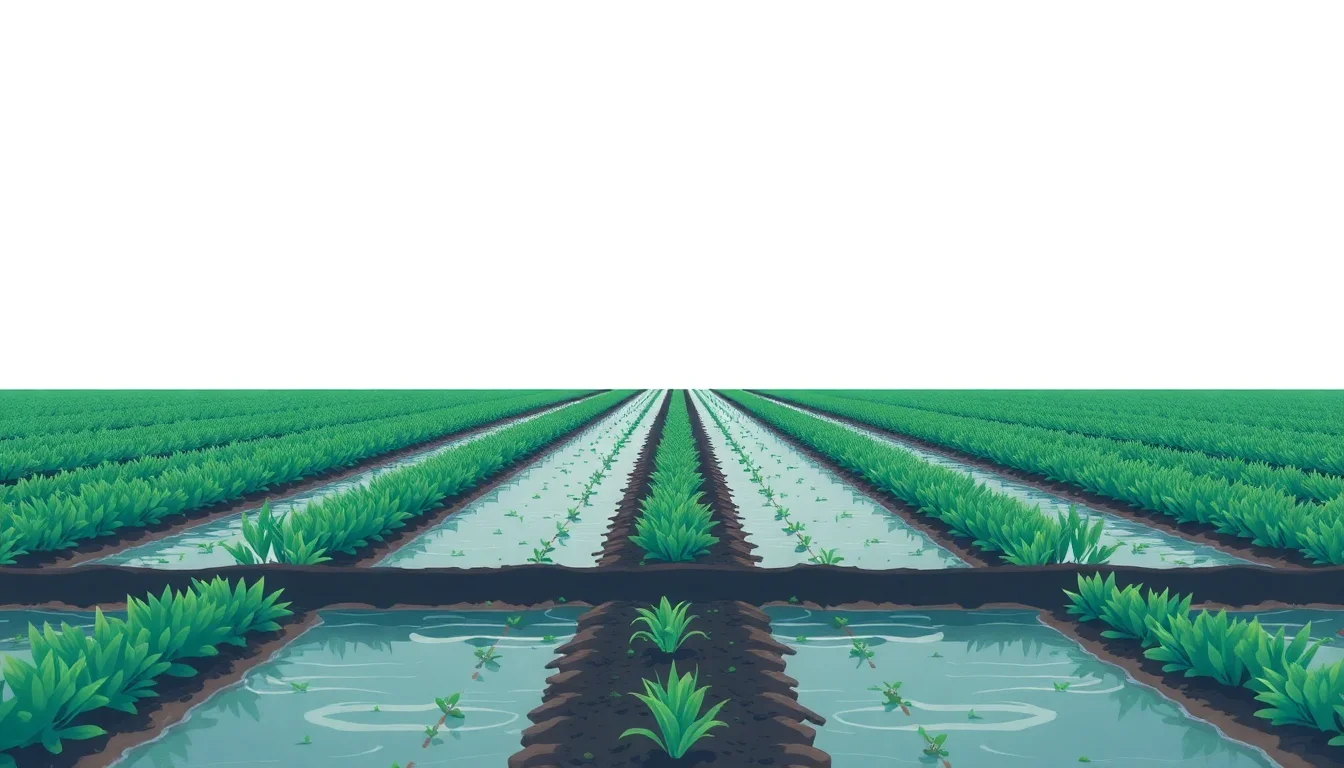
Irrigation management is the critical practice of applying water to agricultural land to assist in the production of crops. It encompasses the design, operation, and maintenance of irrigation systems, aiming to deliver the right amount of water at the right time to maximize yield while minimizing waste and environmental impact. Historically, civilizations rose and fell on their ability to manage water, from Mesopotamia's riverine systems to the Incas' terraced fields. Today, advancements range from simple drip irrigation to sophisticated sensor networks and AI-driven scheduling, reflecting a constant tension between meeting growing food demands and conserving a finite resource. Effective management is not just about delivering water; it's about understanding soil, climate, crop needs, and the economic realities of farming.
💧 What is Irrigation Management?
Irrigation management is the strategic oversight and control of water distribution systems to ensure optimal water delivery for agricultural purposes. It's not just about turning on a tap; it’s a complex interplay of engineering, agronomy, and economics aimed at maximizing crop yields while minimizing water waste. This discipline encompasses everything from the design and maintenance of canals and pumps to the precise scheduling of water application at the field level, particularly crucial in Arid Regions or during Drought Management. Effective management is the bedrock of sustainable agriculture, directly impacting food security and farm profitability.
🗺️ Who Needs This Expertise?
This expertise is vital for a broad spectrum of stakeholders. Farmers, from smallholders to large-scale agricultural enterprises, are the primary beneficiaries, seeking to enhance their productivity and resilience. Water user associations and irrigation districts play a critical role in organizing and managing communal water resources, ensuring equitable distribution and system upkeep. Policymakers and government agencies tasked with water resource planning and agricultural development also rely heavily on sound irrigation management principles to inform their strategies and regulations, especially concerning Water Rights and allocation.
🛠️ Core Components of Effective Management
At its heart, effective irrigation management hinges on several key components. These include robust Water Infrastructure, such as dams, canals, pipelines, and pumps, which must be well-maintained and efficiently operated. Equally important are sophisticated Irrigation Scheduling techniques, often informed by weather data and soil moisture monitoring, to determine when and how much water to apply. Furthermore, strong organizational structures, like Water User Associations, are essential for collective decision-making, fee collection, and conflict resolution among users.
📈 Historical Roots & Evolution
The history of irrigation management is as old as civilization itself, with early examples found in ancient Mesopotamia and Egypt dating back millennia. These early systems, often gravity-fed, demonstrated a fundamental understanding of water control for agriculture. The evolution has seen a shift from purely manual, labor-intensive systems to increasingly mechanized and technologically advanced methods, driven by population growth, the need for higher yields, and the development of new engineering capabilities. The Green Revolution of the mid-20th century, for instance, was heavily reliant on improved irrigation techniques to support high-yield crop varieties.
⚖️ The Water Allocation Debate
A central tension in irrigation management is the equitable and efficient allocation of water, a resource that is often scarce and highly contested. Debates frequently arise over how to distribute water among different users—agriculture, industry, and domestic consumption—and among different farms within an agricultural district. The challenge lies in balancing the needs of diverse stakeholders, often leading to complex Water Pricing models and regulatory frameworks designed to promote conservation and prevent overuse, particularly in regions facing Water Scarcity.
💡 Modern Innovations & Tech
The modern era of irrigation management is characterized by a surge in technological adoption. Precision Irrigation technologies, including drip irrigation, micro-sprinklers, and automated control systems, allow for highly targeted water application, significantly reducing waste. Remote sensing, IoT devices, and data analytics are increasingly used to monitor soil moisture, weather patterns, and system performance in real-time, enabling more informed management decisions. These innovations are transforming how water is used, moving towards a more data-driven and efficient approach.
🌍 Global Impact & Challenges
Globally, irrigation management faces immense challenges, from aging infrastructure in developed nations to the lack of access to modern techniques in developing countries. Climate change exacerbates these issues, leading to more unpredictable rainfall patterns and increased demand for water. The sheer scale of global agriculture, which accounts for approximately 70% of freshwater withdrawals worldwide, means that improvements in irrigation efficiency have a profound impact on overall water availability and environmental sustainability, influencing Global Food Security.
💰 Investment & Returns
Investing in effective irrigation management is not merely an expense; it's a strategic investment with significant returns. While the upfront costs for infrastructure upgrades and technology implementation can be substantial, the long-term benefits include increased crop yields, reduced water and energy consumption, and enhanced farm resilience against environmental stresses. For farmers, this translates to higher profits and greater financial stability. For water management entities, it means more sustainable resource use and reduced operational costs, contributing to the overall economic health of the agricultural sector.
⭐ User Feedback & Case Studies
Case studies consistently highlight the transformative power of well-managed irrigation. For example, the Central Valley Project Improvement Act in California has seen decades of efforts to balance agricultural needs with environmental concerns, showcasing complex management strategies. Farmers adopting Drip Irrigation Systems in arid regions often report water savings of 30-50% while simultaneously increasing their yields. These successes underscore the practical benefits of prioritizing efficient water use and robust management practices.
🚀 Getting Started with Better Water Use
To begin mastering irrigation management, start by assessing your current water use and system efficiency. Identify specific areas for improvement, whether it's upgrading to more efficient Sprinkler Technology, implementing better scheduling practices, or joining a local Water User Association. Educate yourself on available technologies and best practices relevant to your region and crop type. Consulting with Agricultural Extension Services or irrigation specialists can provide tailored advice and support to optimize your water management strategy for greater productivity and sustainability.
Key Facts
- Year
- Ancient Origins - Present
- Origin
- Ancient Mesopotamia
- Category
- Agriculture & Water Resources
- Type
- Topic
Frequently Asked Questions
What is the primary goal of irrigation management?
The primary goal is to ensure crops receive the optimal amount of water at the right time to maximize yield and quality, while simultaneously conserving water resources and minimizing environmental impact. This involves efficient distribution, application, and scheduling of water, often in areas with insufficient rainfall or during dry periods.
How does technology improve irrigation management?
Modern technologies like Drip Irrigation, Smart Sensors, and Weather Stations enable precise water application, reducing waste and improving efficiency. Remote Sensing and data analytics allow for real-time monitoring of soil moisture and crop needs, leading to better-informed scheduling decisions and optimized water use.
What are the economic benefits of good irrigation management?
Effective irrigation management leads to increased crop yields and improved crop quality, directly boosting farm revenue. It also reduces costs associated with water, energy (for pumping), and labor. Furthermore, it enhances farm resilience against drought, protecting investments and ensuring more stable income streams over time.
How are water resources allocated among different users?
Water allocation is typically managed through a combination of government regulations, water rights systems, and agreements within Water User Associations. In areas of scarcity, allocation often involves complex negotiations and pricing mechanisms to balance the needs of agriculture, industry, and domestic use, aiming for equitable distribution.
What role do water user associations play?
Water user associations are crucial for the collective management of irrigation systems at the local level. They are responsible for operating and maintaining distribution networks, collecting fees from members, resolving disputes, and ensuring fair water distribution among farmers. Their effectiveness is key to the success of many large-scale irrigation projects.
How does climate change impact irrigation management?
Climate change leads to more erratic weather patterns, including prolonged droughts and intense rainfall events, making traditional irrigation scheduling less reliable. This necessitates more adaptive and flexible management strategies, often relying on advanced forecasting and real-time data to adjust water application based on changing conditions.