
Contents
- 🎶 The Genesis of a Beatlemania Spark
- 📈 Chart Performance: A Tale of Two Continents
- 🔍 Behind the Recording: The Ringo Starr Factor
- 📜 The Songwriting Partnership: Lennon-McCartney's Early Days
- 💥 Legacy and Re-releases: Enduring Vibrancy
- 🤔 Critical Reception: A Modest Beginning
- 💡 Influence and Precedents: Echoes in Pop History
- 🚀 Where Does 'Love Me Do' Fit in the Beatles' Trajectory?
- Frequently Asked Questions
- Related Topics
Overview
Released on October 5, 1962, 'Love Me Do' by The Beatles wasn't just a song; it was the sonic ignition for a cultural wildfire. This harmonica-driven track, featuring John Lennon's distinctive vocals and a simple, earnest plea, marked the band's official entry into the recording industry. Despite its modest chart performance in the UK initially, peaking at number 17, its raw energy and undeniable charm laid the groundwork for Beatlemania. The single's recording sessions were famously fraught, with multiple drummers and takes, highlighting the nascent stage of the band's professional journey. Its enduring legacy lies not just in its historical significance as the first Beatles single, but in its embodiment of the youthful exuberance and raw talent that would soon conquer the world.
🎶 The Genesis of a Beatlemania Spark
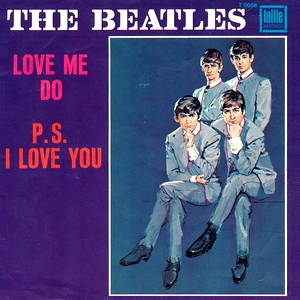
"Love Me Do," released on October 5, 1962, by the nascent Beatles on Parlophone Records, wasn't just a song; it was the sonic ignition for a global phenomenon. This debut single, paired with the equally charming "P.S. I Love You" on the B-side, marked the official entry of the Liverpool quartet into the music industry. Penned by the legendary Lennon-McCartney, it offered a raw, energetic glimpse into the band's burgeoning sound. The track's simple yet infectious melody and straightforward lyrical theme of devotion immediately set it apart from the more complex arrangements prevalent at the time. Its release signaled the arrival of a new wave of British talent poised to reshape popular music.
📈 Chart Performance: A Tale of Two Continents
The initial reception of "Love Me Do" in the United Kingdom was promising, albeit not an immediate chart-topper, peaking at a respectable number 17. However, its transatlantic journey told a different story. Upon its release in the United States in 1964, amidst the burgeoning Beatlemania, the song soared to the top of the charts, achieving number one status. This success underscored the band's growing international appeal and the distinct impact their music had across different cultural landscapes. The contrast in chart performance highlights the evolving perception and growing demand for the Fab Four's sound on a global scale.
🔍 Behind the Recording: The Ringo Starr Factor
The recording sessions for "Love Me Do" are a fascinating footnote in Beatles lore, particularly concerning the drumming. Initially, the band recorded the track with Pete Best on drums. However, producer George Martin, seeking a more polished sound for the single, brought in session drummer Andy White for the official release. Ringo Starr, then the band's newest member, was relegated to playing tambourine on the single version. This decision, though controversial among fans and band members alike, ultimately contributed to the song's cleaner, more radio-friendly production, a key factor in its eventual chart success.
📜 The Songwriting Partnership: Lennon-McCartney's Early Days
The songwriting credit for "Love Me Do" is a testament to the formidable Lennon-McCartney dynamic. While credited to both John Lennon and Paul McCartney, the song is largely attributed to Lennon, who began writing it as a teenager. McCartney has acknowledged its early origins, noting its simple chord structure and direct emotional appeal. This early work exemplifies the raw talent and collaborative spirit that would define their songwriting for years to come, laying the foundation for a catalog of hits that would dominate global music charts and influence countless artists.
💥 Legacy and Re-releases: Enduring Vibrancy
The enduring appeal of "Love Me Do" is evident in its subsequent re-releases and continued presence in popular culture. In 1982, EMI reissued the single as part of the band's 20th-anniversary celebrations, sparking a resurgence in interest and propelling it back onto the UK charts, where it reached a new peak of number 4. This demonstrates that the song's charm and historical significance transcend its initial release. Furthermore, "Love Me Do" achieved number one status in countries like Australia and New Zealand, solidifying its status as a globally recognized early Beatles hit.
🤔 Critical Reception: A Modest Beginning
Critical reception for "Love Me Do" upon its initial release was generally positive, though it was often viewed as a promising debut rather than a groundbreaking masterpiece. Reviewers noted its catchy melody and the band's energetic performance, but some found its lyrical content and musical structure somewhat simplistic compared to more established artists. However, the song's raw authenticity and the distinct vocal interplay between Lennon and McCartney were widely praised. This initial, somewhat reserved, critical assessment belies the song's monumental impact on the music industry and its role in launching the band's unparalleled trajectory.
💡 Influence and Precedents: Echoes in Pop History
The sonic blueprint of "Love Me Do" can be traced to various influences, including American R&B and rock and roll artists like Chuck Berry and Little Richard, whose energy and directness were clearly absorbed by the young Beatles. The harmonica riff, played by Lennon, also echoes the blues traditions that were foundational to early rock music. In turn, "Love Me Do" itself became a precedent for countless debut singles, establishing a template for bands seeking to make an immediate impact with accessible, high-energy pop-rock. Its success paved the way for the subsequent explosion of British pop music onto the international stage.
🚀 Where Does 'Love Me Do' Fit in the Beatles' Trajectory?
"Love Me Do" stands as the crucial first step in The Beatles' monumental discography. While it didn't immediately reach the stratospheric heights of their later work, its success in the UK and, more significantly, its chart-topping performance in the US, proved the band's commercial viability. It served as a vital stepping stone, building momentum for subsequent singles like "Please Please Me" and "She Loves You," which would soon catapult them to global superstardom. The song's enduring popularity and its historical context make it an indispensable piece of the Beatles' early history.
Key Facts
- Year
- 1962
- Origin
- Liverpool, England
- Category
- Music History
- Type
- Song
Frequently Asked Questions
Who wrote "Love Me Do"?
"Love Me Do" was written by John Lennon and Paul McCartney, the principal songwriters of The Beatles. While credited to both, it is largely considered a Lennon composition, begun when he was a teenager. This early collaboration set the stage for their prolific and iconic songwriting partnership.
What was the B-side of "Love Me Do"?
The B-side of the "Love Me Do" single was "P.S. I Love You." Both songs were recorded during the same sessions and represented the band's initial foray into releasing their original material as singles. "P.S. I Love You" also showcased the Lennon-McCartney's early songwriting prowess.
Who played drums on the original UK release of "Love Me Do"?
The drummer on the original UK release of "Love Me Do" was Ringo Starr, though controversially, session drummer Andy White played drums on the single version. Ringo Starr was relegated to playing the tambourine on this track. This decision by producer George Martin was aimed at achieving a more polished sound for the single.
Why did "Love Me Do" chart differently in the UK and US?
The difference in chart performance reflects the timing of the releases and the growing Beatlemania phenomenon. In the UK, it was an early release with significant competition. In the US, released in 1964, it arrived during the peak of the British Invasion, where The Beatles were already a sensation, leading to its number one status.
What is the significance of "Love Me Do" in The Beatles' career?
"Love Me Do" is significant as The Beatles' debut single, marking their official entry into the music industry. Its chart performance, particularly in the US, validated their commercial appeal and laid the groundwork for their subsequent global domination. It represents the first tangible output of the Lennon-McCartney as a recorded entity.