
Contents
Overview
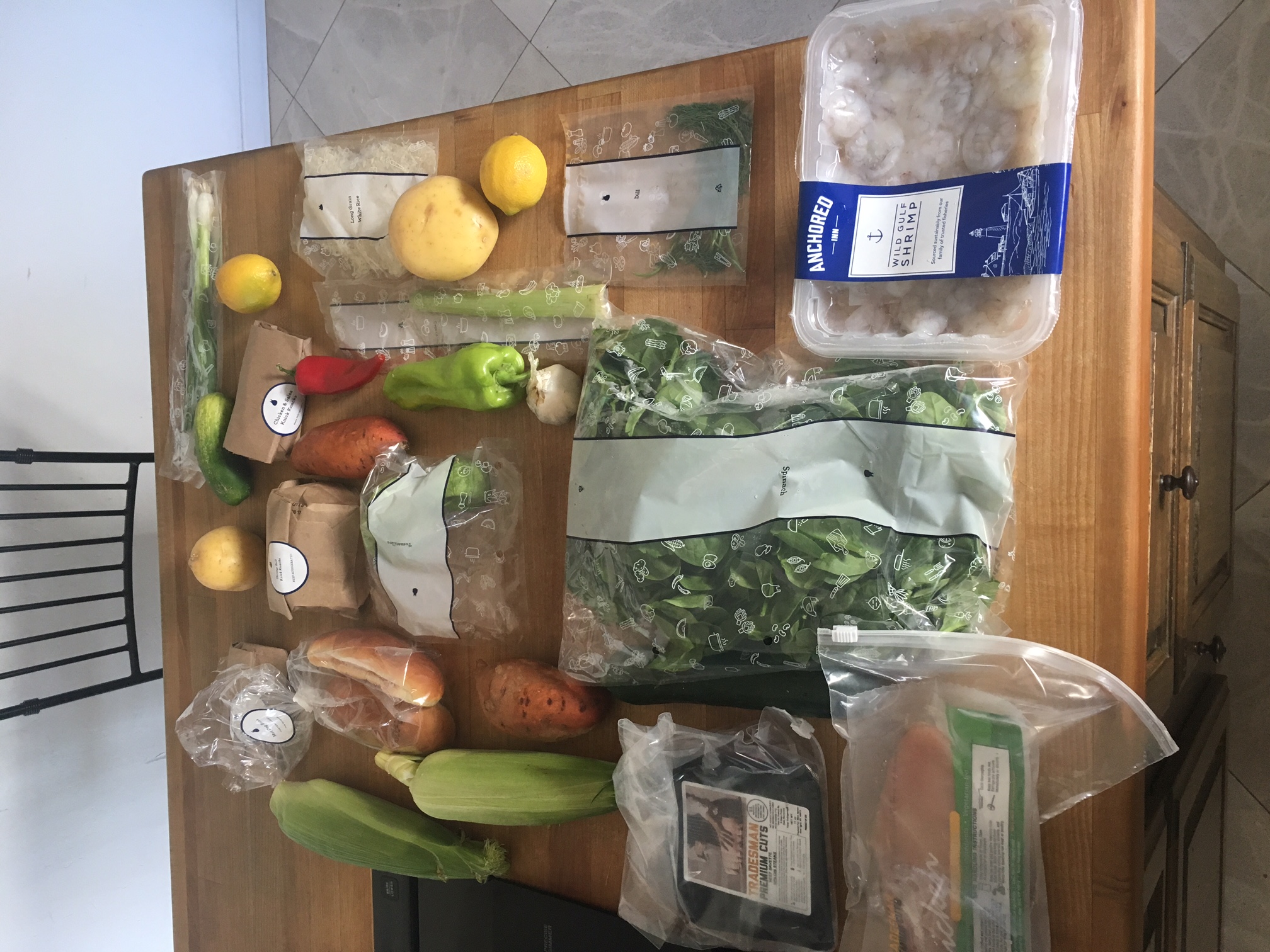
The genesis of the meal kit concept can be traced back to the late 20th century. The modern meal kit industry truly took flight in the early 2010s. The operational mechanics of a meal kit service are relatively straightforward, yet require sophisticated logistics. Customers typically subscribe to a weekly plan, selecting meals from a rotating menu via the company's website or app. The company then sources ingredients, portions them precisely for the chosen recipes, and packages them, often with accompanying sauces, spices, and detailed recipe cards. These boxes are then shipped via refrigerated logistics to arrive at the customer's doorstep, usually within a few days of packing. The customer's role is to unpack, perform minimal prep (like chopping vegetables), and follow the recipe instructions to cook the meal, typically within 30-45 minutes.
⚙️ How It Works
The meal kit industry has seen explosive growth. The average customer spends between $60 and $120 per week on meal kits, with subscription renewal rates fluctuating but generally holding steady for engaged users. Companies like HelloFresh report serving millions of active customers worldwide, with HelloFresh Group alone delivering over 100 million meals per month in recent years. Despite market saturation, customer acquisition costs remain a significant factor, often exceeding $100 per new subscriber for major players.
📊 Key Facts & Numbers
Several key figures and organizations have shaped the meal kit landscape. The success of these companies has also spurred innovation from smaller, specialized services like Purple Carrot (focused on plant-based meals) and Sunbasket (offering organic and paleo options).
👥 Key People & Organizations
Meal kits have profoundly influenced how people approach home cooking and grocery shopping. They've normalized the idea of receiving pre-measured ingredients, reducing the perceived barrier to entry for complex recipes. This has, in turn, contributed to a broader cultural shift towards valuing culinary experiences at home, often inspired by food media and celebrity chefs. The convenience factor has particularly resonated with busy professionals and families, allowing them to enjoy varied, healthy meals without the extensive time commitment. Furthermore, the emphasis on reducing food waste through precise portioning has aligned with growing consumer awareness of sustainability issues, even as the packaging itself presents a counter-argument.
🌍 Cultural Impact & Influence
The meal kit industry in 2024 is characterized by intense competition and a drive for efficiency and differentiation. Major players like HelloFresh and Blue Apron continue to refine their offerings, focusing on customer retention and expanding into new markets. There's a noticeable trend towards offering more specialized dietary options, including vegan, keto, and gluten-free meals, to cater to a wider range of consumer needs. Additionally, some companies are exploring partnerships with grocery chains or offering direct-to-consumer grocery add-ons to become more integrated into the overall food shopping experience. The economic climate also plays a role, with some consumers re-evaluating subscription costs against traditional grocery shopping.
⚡ Current State & Latest Developments
The controversies surrounding meal kits are multifaceted. A primary concern is environmental impact, specifically the excessive use of single-use plastics and packaging materials required for insulation and portioning, which often leads to significant waste. Critics argue that the carbon footprint of shipping individual meal components across long distances can outweigh the benefits of reduced food waste. Cost is another frequent point of contention; while convenient, meal kits are often more expensive per serving than purchasing ingredients directly from a supermarket. Some users also report issues with ingredient freshness upon arrival or dissatisfaction with portion sizes, leading to a perception that the service doesn't always deliver on its promise of value and quality.
🤔 Controversies & Debates
The future of meal kits likely involves greater integration with broader food ecosystems and a stronger emphasis on sustainability. We can expect to see more companies adopting compostable or reusable packaging solutions to address environmental concerns. Diversification will also be key, with services potentially expanding beyond dinner to offer breakfast, lunch, and snack options, or even partnering with restaurants for curated "at-home dining experiences." The role of artificial intelligence in personalizing meal recommendations and optimizing supply chains will become increasingly important. Furthermore, as consumers become more cost-conscious, meal kit providers may need to innovate with more affordable pricing models or offer "lighter" versions of their services that require more customer prep.
🔮 Future Outlook & Predictions
Meal kits offer a practical solution for individuals and families seeking to streamline their home cooking process. They are particularly useful for those with limited time for grocery shopping or meal planning, or for individuals looking to expand their culinary repertoire without the commitment of buying large quantities of specialized ingredients. The pre-portioned nature also aids in portion control and can help reduce household food waste. For aspiring home cooks, the detailed recipe cards provide a guided learning experience, demystifying complex dishes and building confidence in the kitchen. They can also be a great way to explore new cuisines or dietary approaches without significant upfront investment in ingredients.
💡 Practical Applications
The meal kit industry is deeply intertwined with broader trends in food technology, e-commerce, and consumer lifestyle shifts. Understanding the economics of subscription services is crucial, as is exploring the environmental science behind food packaging and logistics. For those interested in the culinary arts, delving into recipe development and the history of home cooking provides valuable context. Related concepts also include the rise of the gig economy, which powers much of the delivery infrastructure, and the growing awareness of food deserts and food security, which highlight the disparities in access to fresh ingredients that meal kits, in their own way, attempt to address. Further exploration into the psychology of consumer behavior and the impact of convenience culture on daily life offers additional layers of understanding.
Key Facts
- Category
- culture
- Type
- product