
Contents
Overview
The story of metal smelting is inextricably linked to the dawn of civilization itself. While early humans likely encountered native metals like gold and copper that required minimal processing, the true revolution began with the discovery of how to extract metals from their ores. Evidence suggests the earliest smelting of copper dates back to the Neolithic period, around the 7th millennium BCE in the Fertile Crescent, with sites like Çatalhöyük in modern-day Turkey yielding early copper artifacts. The true game-changer, however, was the development of iron smelting, which emerged independently in Anatolia and the Caucasus region around the 12th century BCE. This breakthrough provided stronger, more abundant materials for tools and weapons, fundamentally altering human societies and warfare. The subsequent development of techniques for smelting tin and lead, often in conjunction with copper to create bronze, further expanded the metallurgical toolkit available to ancient peoples across Rome, Greece, and China.
⚙️ How It Works
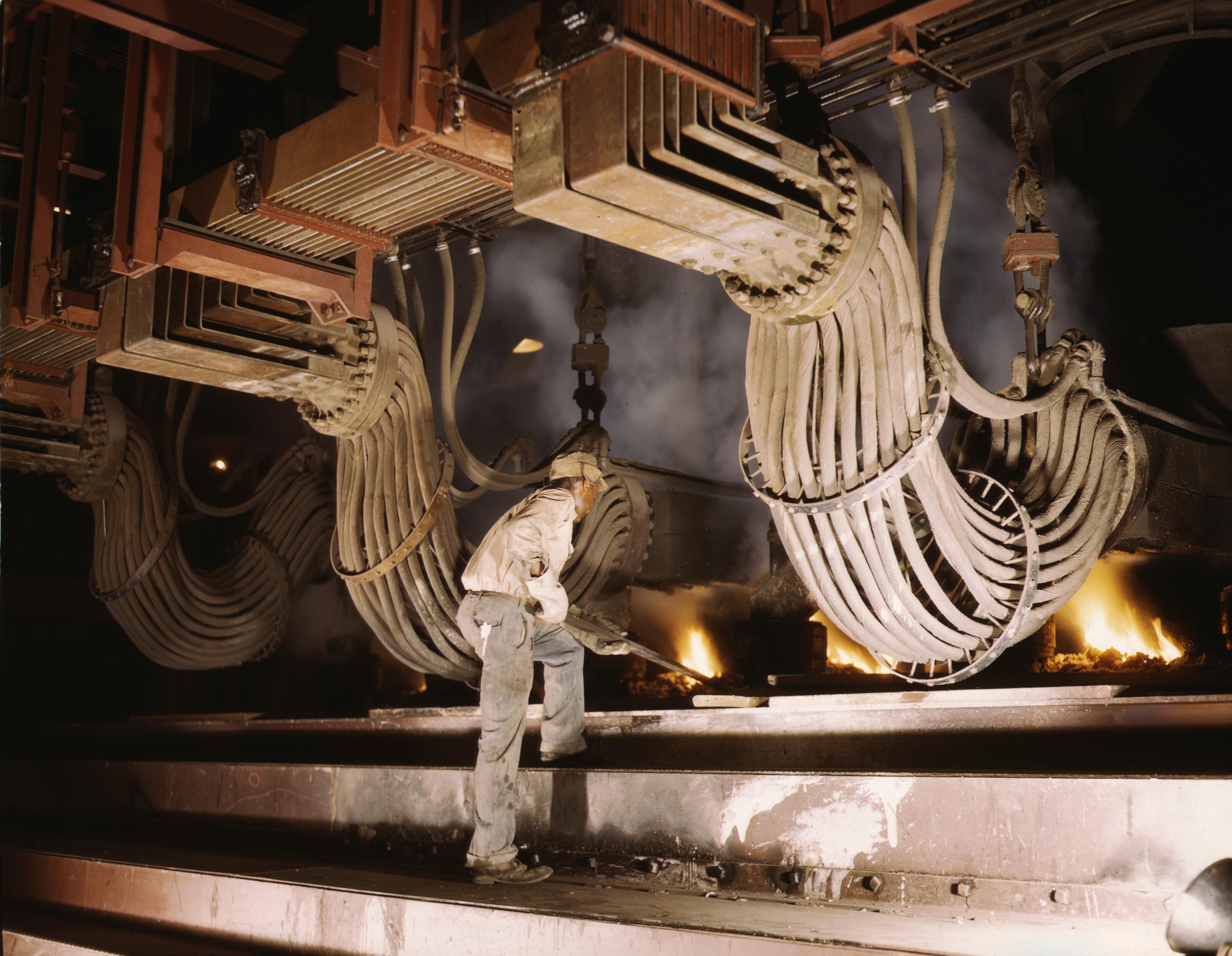
At its heart, smelting is a high-temperature chemical reduction process. The ore, a mineral containing the desired metal, is heated in a furnace—ranging from ancient bloomery furnaces to modern blast furnaces—along with a reducing agent, most commonly carbon in the form of coke or charcoal. At extreme temperatures, the carbon reacts with oxygen atoms bound within the metal oxides of the ore, forming carbon monoxide or carbon dioxide gases. This chemical reaction effectively strips the oxygen away, leaving behind molten, or semi-molten, pure metal. For ores like copper sulfides, a preliminary step called roasting is often employed, where the ore is heated in the presence of air to convert the metal sulfides into metal oxides, which are then more easily reduced. The molten metal, being denser than the impurities and slag (a glassy byproduct), collects at the bottom of the furnace and can be tapped off for further refining. The efficiency of this process is dictated by factors such as ore grade, furnace design, fuel type, and temperature control, all of which have evolved significantly over millennia, from the rudimentary techniques of ancient metallurgists to the sophisticated industrial processes of today.
📊 Key Facts & Numbers
The global scale of metal smelting is immense. Copper smelting yields approximately 26 million metric tons annually, with major production centers in Chile and Peru. The production of aluminum, which uses a different electrolytic process (Hall-Héroult) rather than traditional smelting for its primary extraction from bauxite ore, reaches around 70 million metric tons per year. Lead smelting accounts for roughly 5 million metric tons globally, with China being the largest producer. Zinc smelting output hovers around 14 million metric tons. These figures highlight the sheer volume of raw materials processed and the energy-intensive nature of modern metallurgy, with smelting operations consuming vast amounts of fossil fuels and electricity, contributing significantly to global industrial output and, consequently, to greenhouse gas emissions.
👥 Key People & Organizations
While no single individual can be credited with inventing metal smelting, countless figures throughout history have refined and advanced the techniques. Early innovators in the Fertile Crescent and Anatolia around the 7th and 12th millennia BCE, respectively, laid the groundwork for copper and iron smelting. Later, figures like Henry Bessemer in the 19th century revolutionized iron and steel production with his Bessemer process, dramatically increasing efficiency and scale. Modern industrial smelting is often associated with large corporations and research institutions dedicated to materials science and chemical engineering. Major players in the global smelting industry include Rio Tinto, BHP Billiton, and Glencore, all of which operate extensive mining and smelting facilities worldwide. Research institutions like the Massachusetts Institute of Technology (MIT) and the RWTH Aachen University continue to push the boundaries of smelting technology through advanced materials research and process optimization.
🌍 Cultural Impact & Influence
The impact of metal smelting on human culture and development is immeasurable. The ability to extract and shape metals like iron and bronze directly led to the Iron Age and Bronze Age, periods defined by the widespread use of these materials for tools, weapons, and art. This technological leap facilitated agricultural advancements, enabled more complex construction, and profoundly changed the nature of warfare. The discovery and smelting of precious metals like gold and silver fueled economies, leading to the development of coinage and complex trade networks across civilizations like ancient Egypt and the Roman Empire. The Industrial Revolution, powered by the mass production of iron and steel through advanced smelting techniques like the coke smelting pioneered by Abraham Darby I, transformed societies, leading to urbanization, mass manufacturing, and the modern technological world. Even today, the availability of smelted metals underpins nearly every aspect of modern life, from the smartphones in our pockets to the skyscrapers that define our cities.
⚡ Current State & Latest Developments
The metal smelting industry is currently navigating a complex landscape shaped by increasing demand, environmental pressures, and technological innovation. China remains the dominant force in global smelting, particularly for base metals like iron, copper, and aluminum, driven by its massive manufacturing sector. However, there's a growing global push towards more sustainable smelting practices. Companies are investing heavily in carbon capture and hydrogen-based reduction processes to mitigate the significant greenhouse gas emissions associated with traditional methods. Innovations in pyrometallurgy and hydrometallurgy are also yielding more efficient extraction methods, particularly for lower-grade ores and complex mineral assemblages. The development of advanced sensors and AI-driven process control systems, as seen in operations by Siemens AG, is further optimizing furnace performance and reducing energy consumption. The geopolitical landscape also plays a role, with supply chain vulnerabilities and the strategic importance of critical minerals influencing investment and production decisions worldwide.
🤔 Controversies & Debates
Metal smelting is a field rife with controversy, primarily centered on its environmental impact and resource intensity. The massive energy consumption required for high-temperature furnaces, often powered by fossil fuels, makes smelting a significant contributor to climate change through substantial greenhouse gas emissions. The extraction of ores itself can lead to habitat destruction, water pollution, and soil degradation. Furthermore, the disposal of mining waste and slag presents long-term environmental challenges. Debates also arise regarding the ethical sourcing of raw materials, particularly concerning conflict minerals and labor practices in some mining regions. While advancements in green metallurgy and circular economy principles aim to mitigate these issues, the fundamental energy and material demands of smelting mean that achieving truly sustainable production remains a formidable challenge, often pitting economic imperatives against environmental stewardship.
🔮 Future Outlook & Predictions
The future of metal smelting is poised for signif
Key Facts
- Category
- technology
- Type
- topic