
Contents
Overview
The genesis of mobile networks can be traced back to early 20th-century radio telephony experiments. The foundation of mobile networks was laid with the development of cellular technology in the 1970s. Bell Labs, a pioneer in this field, conducted crucial research, with Martin Cooper of Motorola making the first public mobile phone call in 1973 using a prototype device. This marked a departure from earlier car-based systems, introducing the concept of dividing service areas into smaller 'cells.' The first commercial 1G networks, which were analog and primarily for voice calls, began rolling out in the early 1980s, with Nordic countries and the US among the first. The transition to digital 2G in the 1990s, introducing SMS messaging and improved voice quality, was a significant leap, followed by 3G in the early 2000s, which enabled mobile internet access and data services, paving the way for the smartphone revolution led by devices like the iPhone and Android phones.
⚙️ How It Works
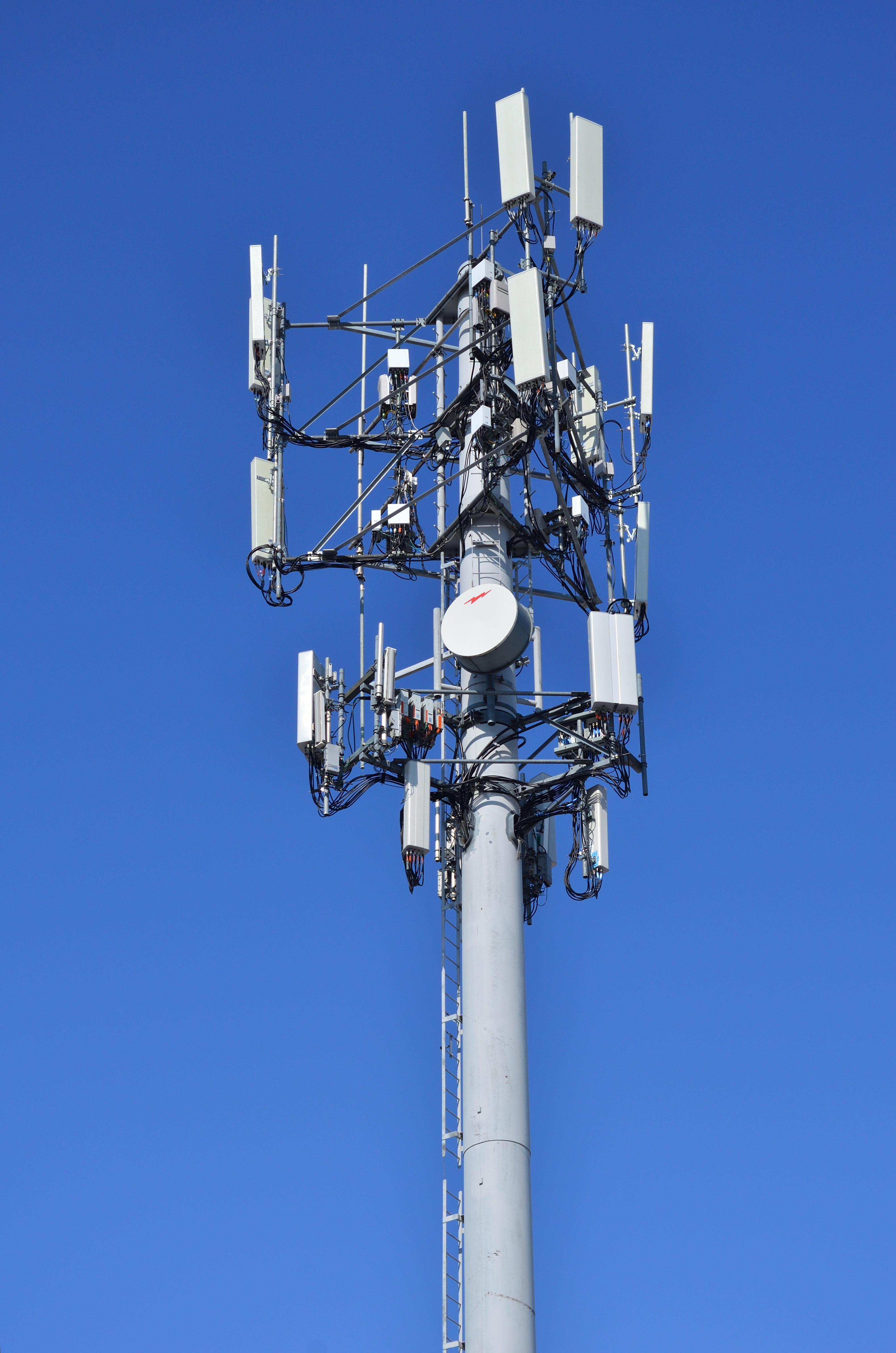
At its core, a mobile network operates by dividing geographical areas into hexagonal 'cells,' each served by a base station. These base stations, equipped with antennas and radio transceivers, communicate with mobile devices using specific radio frequencies. When a device moves from one cell to another, a process called 'handoff' seamlessly transfers the connection to the next base station, ensuring uninterrupted service. The network is managed by Mobile Switching Centers (MSCs) and other network elements that route calls and data, authenticate users, and manage resources. The entire system relies on a complex interplay of radio frequency allocation, signal processing, and network protocols, orchestrated by mobile network operators like Verizon, AT&T, and Vodafone.
📊 Key Facts & Numbers
The global mobile network infrastructure is immense, supporting over 8.8 billion mobile subscriptions worldwide. The average monthly mobile data usage per user has surged, reaching over 10 GB in many developed markets. The investment in mobile network infrastructure is colossal, with global spending on mobile network equipment and services projected to exceed $300 billion annually in the coming years, driven by the rollout of 5G technology. The number of cell towers worldwide is estimated to be over 8 million, with a significant portion being upgraded for 5G capabilities. The GSMA estimates that mobile technologies and services generated $5.1 trillion in economic value globally in 2022, representing 5.5% of global GDP.
👥 Key People & Organizations
Key figures in mobile network development include Martin Cooper, often credited with inventing the first handheld mobile phone. Joachim H. Karl and Andreas Molisch have made significant contributions to cellular network theory and technology. Major organizations driving the industry include the International Telecommunication Union, which sets global standards; the 3rd Generation Partnership Project (3GPP), responsible for developing specifications for mobile systems; and the GSMA, a global industry association representing mobile operators. Leading equipment manufacturers like Ericsson, Nokia, and Huawei are instrumental in building and upgrading the physical infrastructure, while operators such as China Mobile, Vodafone, and T-Mobile manage the networks.
🌍 Cultural Impact & Influence
Mobile networks have profoundly reshaped global culture and society. The advent of widespread mobile internet access, facilitated by 3G and subsequent generations, has democratized information, enabled new forms of social interaction through platforms like Facebook and Twitter, and spurred the growth of the app economy. The ability to communicate instantly and access information from virtually anywhere has altered work patterns, leisure activities, and even political movements. The ubiquity of smartphones, powered by these networks, has led to the rise of the 'always-on' culture, influencing everything from dating habits to news consumption. The visual language of emojis and the rapid spread of memes are direct cultural byproducts of this hyper-connected environment.
⚡ Current State & Latest Developments
The current landscape is dominated by the ongoing global deployment of 5G networks, promising higher speeds, lower latency, and the capacity to connect a massive number of devices, essential for the Internet of Things (IoT). Operators are investing heavily in 5G infrastructure. Simultaneously, research and development into 6G are accelerating, with visions of even more integrated networks that could merge the physical, digital, and biological worlds. Network virtualization, using technologies like Software-Defined Networking (SDN) and Network Functions Virtualization (NFV), is also a major trend, allowing for more flexible and efficient network management. The rise of satellite internet constellations like Starlink also presents a new dimension to global connectivity, potentially complementing terrestrial mobile networks.
🤔 Controversies & Debates
The rollout of mobile networks is not without its controversies. Concerns about health effects of radio frequency radiation from base stations and devices persist, despite scientific consensus from organizations like the World Health Organization indicating no established adverse health effects below international guideline limits. The digital divide remains a significant issue, with disparities in access and quality of service between urban and rural areas, and between developed and developing nations. Issues of net neutrality—the principle that internet service providers should treat all data equally—are frequently debated, particularly as operators seek to offer differentiated services over their networks. Furthermore, the environmental impact of network infrastructure and device manufacturing, including energy consumption and electronic waste, is a growing concern.
🔮 Future Outlook & Predictions
The future of mobile networks points towards increasingly integrated and intelligent systems. 6G networks are envisioned to offer speeds up to 100 times faster than 5G, with sub-millisecond latency, enabling truly immersive augmented reality and virtual reality experiences, and advanced AI-driven applications. The convergence of mobile networks with other communication technologies, such as satellite internet and Wi-Fi 6/7, will create a more ubiquitous and seamless connectivity fabric. Edge computing, processing data closer to the source rather than in centralized data centers, will become more prevalent, reducing latency for critical applications. The network itself is expected to become more autonomous, capable of self-optimization, self-healing, and enhanced security through AI and machine learning.
💡 Practical Applications
Mobile networks are the backbone for a vast array of practical applications. They enable mobile commerce and mobile banking, allowing transactions and financial management on the go. They power location-based services, from GPS navigation and ride-sharing apps like Uber to local business discovery. In healthcare, mobile networks support remote patient monitoring, telemedicine, and the transmission of large medical imaging files. For businesses, they facilitate remote work, supply chain management, and the deployment of IoT devices for industrial automation and smart city initiatives. Education benefits through access to online learning platforms and digital resources, while entertainment is revolutionized by mobile streaming services like Netflix and YouTube.
Key Facts
- Category
- technology
- Type
- topic