
Contents
- 🗺️ The Unseen Peru: Why Go Beyond the Inca Trail?
- 🏛️ Ancient Echoes: Pre-Inca Civilizations
- 🎭 Living Traditions: Andean Communities & Festivals
- 🎨 Artistic Expressions: Crafts and Contemporary Art
- 🍲 Culinary Journeys: Beyond Ceviche
- ⛰️ Diverse Landscapes: From Amazon to Coast
- 💡 Vibe Score & Controversy Spectrum
- 🚀 Planning Your Expedition: Practicalities
- Frequently Asked Questions
- Related Topics
Overview
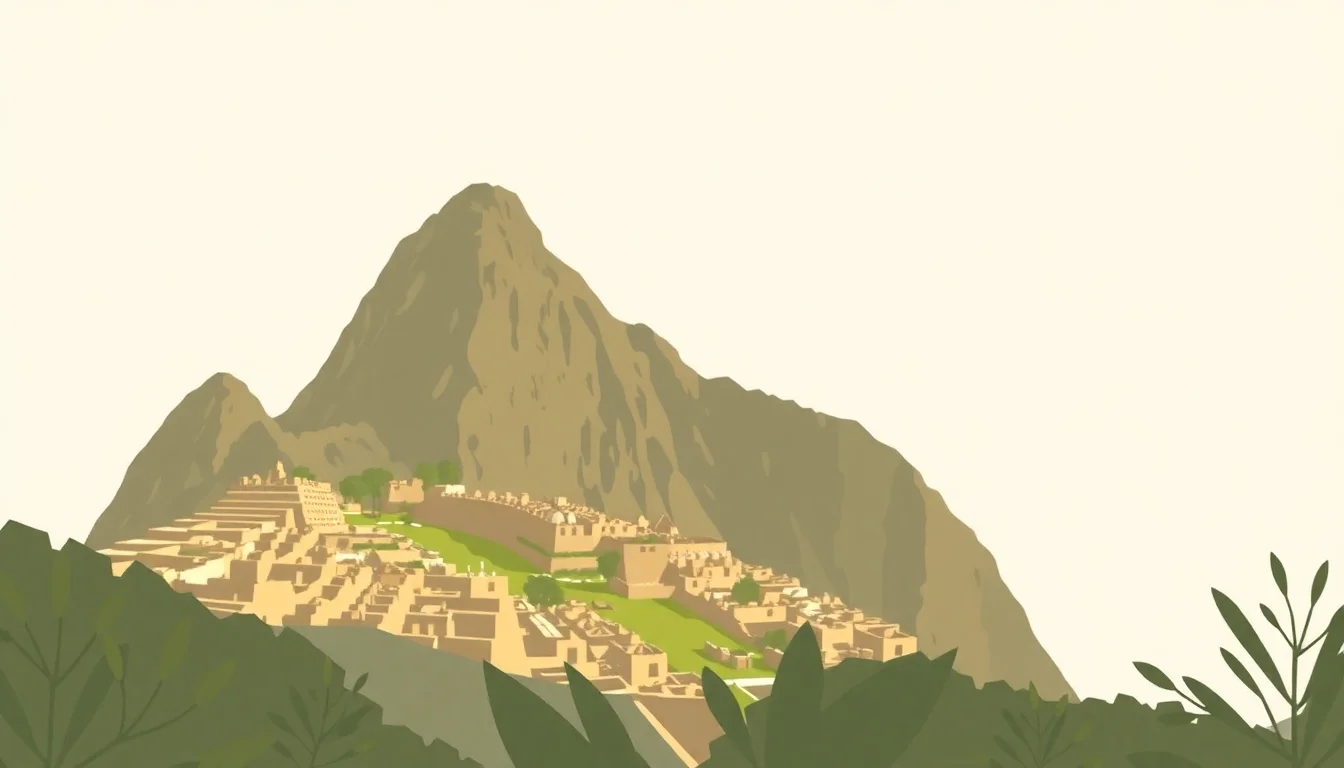
Forget the postcard image of Peru for a moment. While Machu Picchu rightfully draws millions, the true pulse of Peruvian culture beats in its lesser-trodden paths. This guide is for the traveler who craves depth, who wants to understand the intricate weave of history, community, and innovation that defines Peru. We're talking about engaging with living traditions, exploring civilizations that predate the Incas, and experiencing the raw, diverse beauty of a nation that’s far more than its most famous ruin. This is about connecting with the vibe of Peru, not just ticking off a bucket list item. It’s for the curious, the adventurous, and those seeking authentic encounters.
🏛️ Ancient Echoes: Pre-Inca Civilizations
Peru's story doesn't begin with the Incas. Civilizations like the Moche, who flourished on the northern coast from 100 to 700 CE, left behind astonishingly sophisticated art and architecture. Their pyramids, like the Huaca del Sol and Huaca de la Luna near Trujillo, speak of complex social structures and advanced engineering. Further north, the Chachapoyas, the 'Warriors of the Clouds', built the formidable fortress of Kuelap, a UNESCO World Heritage site often dubbed the 'Machu Picchu of the North'. Exploring these sites offers a profound perspective on the deep historical layers that form the bedrock of Peruvian identity, revealing a pre-Columbian world of immense complexity and power.
🎭 Living Traditions: Andean Communities & Festivals
The Andes are not a museum; they are a vibrant, living testament to enduring cultural practices. In communities like Chinchero near Cusco, you can witness traditional weaving techniques passed down through generations, often accompanied by ancient Quechua songs. Participating in or observing local festivals, such as the Inti Raymi (Festival of the Sun) in Cusco or the more intimate Qoyllur Rit'i pilgrimage, offers a visceral connection to Andean spirituality and cosmology. These aren't staged performances; they are deeply meaningful expressions of community, faith, and connection to the land, providing an unparalleled glimpse into the soul of the highlands.
🎨 Artistic Expressions: Crafts and Contemporary Art
Peruvian artistry is a dynamic force, blending ancient motifs with contemporary vision. Beyond the ubiquitous alpaca sweaters, seek out the intricate pottery of the Quinua region, the vibrant textiles of the Sacred Valley, or the distinctive black clay ceramics of Jarra de Pucará. In cities like Lima and Arequipa, a burgeoning contemporary art scene is emerging, with galleries showcasing artists who grapple with Peru's complex history and social realities. Visiting artisan workshops and local galleries provides not just souvenirs, but tangible connections to the creative spirit that animates Peruvian culture, offering insights into both tradition and innovation.
🍲 Culinary Journeys: Beyond Ceviche
Peruvian cuisine is a global phenomenon, but its true richness lies beyond the celebrated ceviche and lomo saltado. Venture into the Amazonian regions to discover unique ingredients and dishes like juane (rice and meat wrapped in bijao leaves) or paiche (a giant river fish). Explore the highlands for hearty stews like pachamanca (meat and vegetables cooked underground) or cuy (guinea pig), a traditional delicacy. Each region offers a distinct culinary narrative, shaped by its geography, history, and indigenous influences. Engaging with local markets and family-run picanterías is key to unlocking these authentic flavors.
⛰️ Diverse Landscapes: From Amazon to Coast
Peru's cultural tapestry is woven across an astonishingly diverse geography. The arid northern coast, home to the Moche and Chimú civilizations, contrasts sharply with the lush, cloud-forested peaks of the northern Andes where Kuelap stands sentinel. The high-altitude plains of the Altiplano, shared with Bolivia, harbor unique Aymara communities and the stunning Lake Titicaca, with its floating Uros islands. Then there's the vast Amazon basin, a world unto itself, teeming with biodiversity and indigenous cultures. Each biome offers distinct cultural expressions and experiences, demanding different approaches to exploration and engagement.
💡 Vibe Score & Controversy Spectrum
Peru's cultural tourism beyond Machu Picchu scores a solid Vibe Score of 85/100 for authenticity and depth, though its accessibility can be a challenge, placing it on a moderate Controversy Spectrum regarding equitable distribution of tourism benefits. The debate often centers on how to promote these less-visited sites without overwhelming fragile communities or replicating the mass tourism pitfalls seen elsewhere. While the allure of ancient ruins is undeniable, the true cultural energy lies in the living traditions and the diverse peoples who maintain them. The challenge is to foster sustainable tourism that empowers local communities rather than exploiting them.
🚀 Planning Your Expedition: Practicalities
To truly experience Peru beyond the well-trodden path, start by identifying your interests: ancient history, living indigenous cultures, culinary exploration, or natural landscapes. For pre-Inca sites, base yourself in Trujillo or Chiclayo. For Andean traditions, consider homestays or community tourism projects in the Sacred Valley or around Lake Titicaca. For Amazonian culture, look to Iquitos or Puerto Maldonado. Book tours with operators committed to ethical and sustainable practices, and always approach local communities with respect. Learning a few basic Quechua or Aymara phrases can go a long way in fostering genuine connection. Start by researching specific community tourism initiatives or specialized archaeological tours.
Key Facts
- Year
- 2023
- Origin
- Vibepedia.wiki
- Category
- Cultural Tourism
- Type
- Cultural Tourism Destination
Frequently Asked Questions
What are the best pre-Inca archaeological sites to visit besides Machu Picchu?
Beyond Machu Picchu, the Moche pyramids of Huaca del Sol and Huaca de la Luna near Trujillo and the massive fortress of Kuelap in the Amazonas region are essential. The Chan Chan citadel, the largest adobe city in the world, also offers a fascinating glimpse into the Chimú civilization. These sites provide a crucial understanding of Peru's deep historical roots before the Inca Empire.
How can I respectfully engage with indigenous communities in the Andes?
Prioritize community-based tourism initiatives that are managed by the locals themselves. Always ask permission before taking photos of people. Learning basic greetings in Quechua or Aymara shows respect. Be open to learning about their customs and traditions, and purchase handicrafts directly from artisans to support their livelihoods. Avoid intrusive behavior and remember you are a guest.
What are some unique culinary experiences outside of Lima?
In the Amazon, try regional specialties in Iquitos or Puerto Maldonado, focusing on river fish and unique fruits. In the highlands, seek out pachamanca (earth oven cooking) or traditional Andean soups. Exploring local markets in cities like Arequipa or Cusco will reveal a vast array of regional ingredients and dishes far beyond the typical tourist menus.
Is it safe to travel to remote cultural sites in Peru?
Generally, yes, but it requires careful planning. Major archaeological sites and popular towns have good infrastructure. For more remote locations, especially in the Amazon or less-visited Andean regions, hiring experienced local guides and using reputable tour operators is highly recommended. Stay informed about local conditions and travel advisories.
What is the best time of year to visit Peru for cultural tourism?
The dry season, from May to October, is generally best for the Andes and Machu Picchu, offering clearer skies. However, this is also peak tourist season. For the Amazon, the wetter months (November to April) mean fewer mosquitoes and lusher vegetation, though rain is frequent. Shoulder seasons (April-May, October-November) can offer a good balance.
How does visiting these sites impact local communities?
The impact can be significant, both positive and negative. Well-managed tourism provides vital income, supports cultural preservation, and creates jobs. However, poorly managed tourism can lead to cultural commodification, environmental degradation, and displacement. Choosing sustainable operators and engaging respectfully is crucial for ensuring positive impacts.