
Contents
- 🌿 What Are Primary Consumers?
- 🍽️ Dietary Habits & Adaptations
- 🌍 Ecological Role & Importance
- 🦬 Examples in the Wild
- ⚖️ Primary Consumers vs. Other Trophic Levels
- 📉 Threats & Conservation Status
- 💡 Vibepedia Vibe Score: 85/100 (Vitality)
- 🚀 Future Outlook & Research Directions
- Frequently Asked Questions
- Related Topics
Overview
Primary consumers, often called herbivores, form the foundational layer of many terrestrial and aquatic food webs. They are organisms that derive their energy directly from producers, which are typically plants or other photosynthetic organisms like algae and cyanobacteria. Without these diligent eaters, the energy captured from sunlight would remain locked away in plant matter, inaccessible to higher trophic levels. Their role is not merely about consumption; it's about facilitating the flow of energy and nutrients throughout an entire ecosystem. Understanding primary consumers is key to grasping the intricate dynamics of life on Earth, from the smallest pond to the vastest savanna.
🍽️ Dietary Habits & Adaptations
The dietary habits of primary consumers are as diverse as the plant life they consume. Some are generalists, like the cow grazing on a variety of grasses and legumes, while others are specialists, focusing on specific plant parts or species. For instance, the panda is famously specialized on bamboo, a diet that requires significant physiological adaptations for digestion. Many herbivores possess specialized digestive systems, such as multiple stomach compartments in ruminants or enlarged ceca in hindgut fermenters, to break down tough plant cellulose. These adaptations are crucial for extracting sufficient nutrients and energy from their plant-based diets, a feat that is metabolically demanding.
🌍 Ecological Role & Importance
As the first link in the chain of consumption, primary consumers play a critical role in regulating producer populations and shaping plant communities. Their grazing can prevent overgrowth, promote plant diversity by selectively consuming dominant species, and influence nutrient cycling through their waste products. For example, the grazing patterns of zebras in the Serengeti influence grass height and composition, impacting the entire savanna ecosystem. Their existence directly supports secondary consumers (carnivores and omnivores) and decomposers, making them indispensable for ecosystem stability and productivity. The health of primary consumer populations is often a strong indicator of the overall health of an environment.
🦬 Examples in the Wild
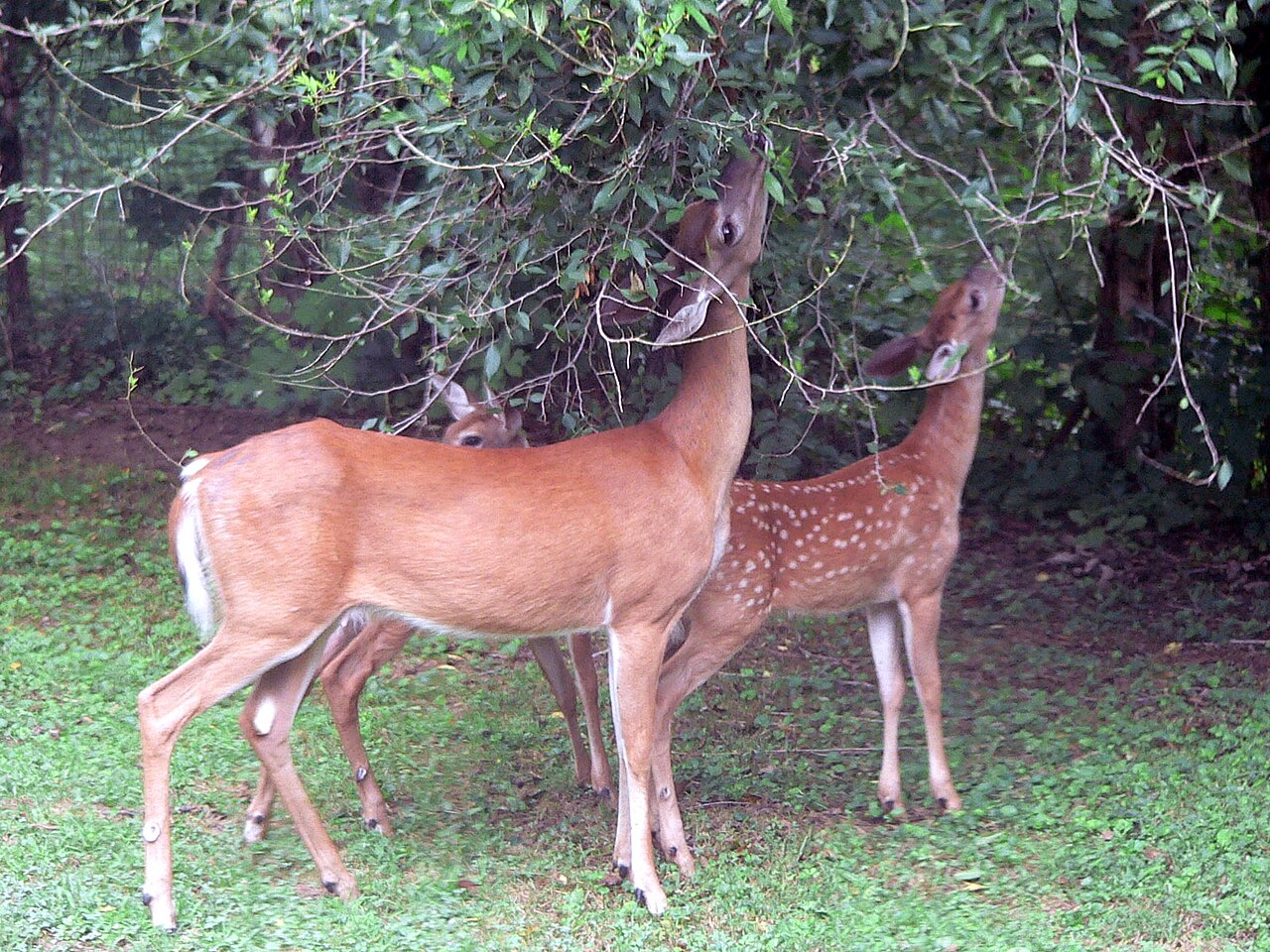
The natural world is teeming with examples of primary consumers, each with unique adaptations and ecological niches. In grasslands, bison and deer are prominent herbivores, shaping the landscape through their grazing. In forests, animals like rabbits and squirrels feed on leaves, seeds, and nuts. Aquatic environments host a variety of primary consumers, including manatees that graze on seagrasses and countless species of zooplankton that consume phytoplankton. Even insects, like caterpillars, are voracious primary consumers, playing a significant role in breaking down plant matter. Each species contributes to the complex web of life in its own way.
⚖️ Primary Consumers vs. Other Trophic Levels
Differentiating primary consumers from other trophic levels is fundamental to understanding food webs. Unlike secondary consumers (carnivores or omnivores that eat herbivores) or tertiary consumers (top predators), primary consumers occupy the second trophic level, directly feeding on producers. This distinction is vital for ecological modeling and understanding energy transfer efficiency. While carnivores might be seen as the 'hunters' and omnivores as the 'opportunists,' primary consumers are the essential 'harvesters' of the plant kingdom, converting solar energy stored in plants into biomass that fuels the rest of the ecosystem. Their position is unique and irreplaceable.
📉 Threats & Conservation Status
Primary consumers face numerous threats, including habitat loss, climate change, and overhunting, which can have cascading effects on entire ecosystems. The decline of a key herbivore population, such as the white-tailed deer in some regions, can lead to unchecked plant growth, altering habitats for numerous other species. Conversely, invasive plant species can sometimes outcompete native flora, impacting the food sources for specialized herbivores. Conservation efforts often focus on protecting critical habitats and managing populations to ensure the continued functioning of the food web. The IUCN Red List provides vital data on the conservation status of many herbivore species.
💡 Vibepedia Vibe Score: 85/100 (Vitality)
Vibepedia Vibe Score: 85/100 (Vitality). Primary consumers embody the raw, unadulterated energy transfer that underpins life. Their constant consumption and processing of plant matter represent the fundamental engine of biological productivity. A Vibe Score of 85 reflects their undeniable importance and the sheer dynamism they bring to any ecosystem. They are the quiet, persistent force that makes complex life possible, a testament to nature's efficiency and interconnectedness. Their presence signifies a healthy, thriving environment, pulsating with life and potential.
🚀 Future Outlook & Research Directions
The future of primary consumers is intrinsically linked to the health of our planet and the ongoing impacts of human activity. Research continues to explore the resilience of herbivore populations to changing climates, the effectiveness of different conservation strategies, and the intricate co-evolutionary relationships between plants and their consumers. Understanding how primary consumers adapt to novel environments and invasive species will be crucial for predicting and managing ecosystem changes. Furthermore, advancements in ecological modeling and genetic analysis promise to reveal even deeper insights into their evolutionary history and ecological significance, potentially uncovering new species or previously unknown roles they play in global biogeochemical cycles.
Key Facts
- Year
- 1830s (concept formalized)
- Origin
- Ecology
- Category
- Ecology
- Type
- Concept
Frequently Asked Questions
Are all plant-eating animals considered primary consumers?
Generally, yes. The definition of a primary consumer is an organism that feeds on producers, which are primarily plants. This includes animals that eat leaves, fruits, seeds, nectar, or algae. However, it typically excludes organisms that consume dead plant matter (detritivores) or fungi, as these fall into different ecological categories.
What's the difference between a herbivore and an omnivore?
The key difference lies in their diet. Herbivores are exclusively plant-eaters, occupying the primary consumer level. Omnivores, on the other hand, consume both plants and animals, meaning they can function as both primary and secondary consumers within a food web. Examples of omnivores include humans, bears, and many bird species.
How do primary consumers digest tough plant material like cellulose?
Many primary consumers have specialized digestive systems. Ruminants, like cows and sheep, have multi-chambered stomachs where microbes break down cellulose. Other herbivores, such as horses and rabbits, rely on hindgut fermentation, with an enlarged cecum housing bacteria that aid in digestion. These symbiotic relationships with microorganisms are essential for extracting nutrients from plant matter.
Can a single animal be both a primary and secondary consumer?
Yes, such animals are called omnivores. They eat plants (acting as primary consumers) and also eat other animals (acting as secondary consumers). For example, a black bear might eat berries (primary consumption) and also hunt fish (secondary consumption).
What happens if primary consumers disappear from an ecosystem?
The disappearance of primary consumers would have catastrophic effects. Producer populations (plants) could explode unchecked, leading to resource depletion. More importantly, the energy source for secondary and tertiary consumers would vanish, causing widespread starvation and collapse of higher trophic levels. The entire ecosystem structure would fundamentally change.
Are insects primary consumers?
Absolutely. Many insects, such as caterpillars, grasshoppers, and aphids, are voracious herbivores and function as critical primary consumers in terrestrial ecosystems. They play a significant role in breaking down plant material and transferring energy to insectivorous birds, reptiles, and other predators.