
Contents
Overview
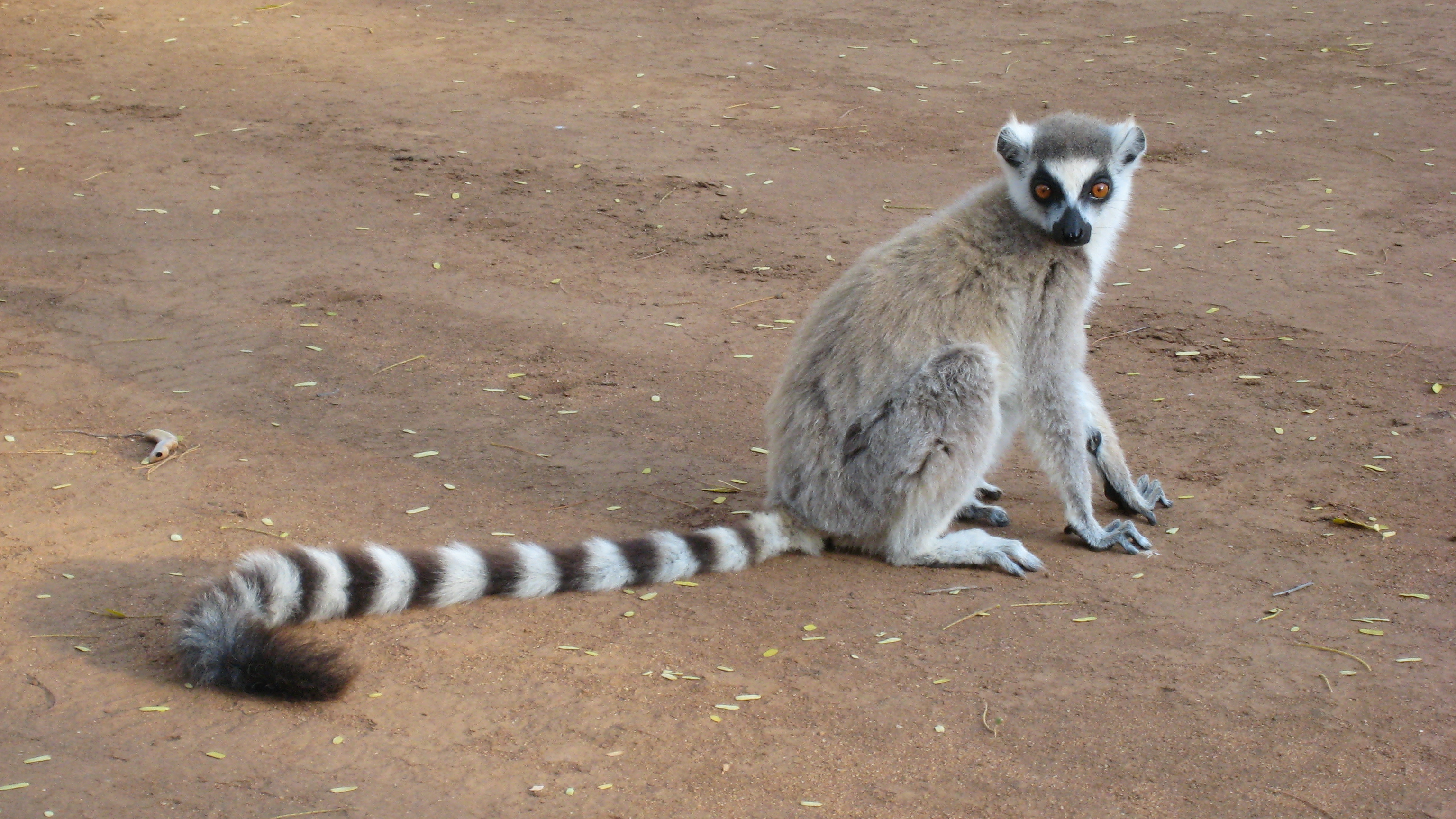
The study of primates has been shaped by the work of Charles Darwin, who recognized the importance of adaptation in the evolution of species. Primates are divided into two suborders: the strepsirrhines, which include lemurs, galagos, and lorisids; and the haplorhines, which include tarsiers and simians (monkeys and apes). The primate society has been studied by researchers such as Jane Goodall and Dian Fossey, who have shed light on the complex social behaviors of primates.
🌳 Adaptations to Tropical Forests
Primates have evolved a range of adaptations to life in tropical forests, including binocular vision, color vision, and opposable thumbs. These adaptations have enabled primates to thrive in a variety of environments, from the Madagascar forests to the Congo Basin. The study of primate ecology has been influenced by the work of ecologists such as E.O. Wilson, who has highlighted the importance of biodiversity in maintaining healthy ecosystems.
🐒 Diversity of Primates
The diversity of primates is staggering, with species ranging in size from the 30g Madame Berthe's mouse lemur to the 200kg eastern gorilla. New species of primates continue to be discovered, with over 25 species described in the 2000s and 36 in the 2010s. The primatological society has played a crucial role in promoting the study and conservation of primates, with organizations such as the World Wildlife Fund and the iucn working to protect primate habitats and prevent extinction.
🔬 Conservation Status and Research
The conservation status of primates is a major concern, with many species facing threats such as habitat loss, hunting, and climate change. Researchers such as Richard Wrangham and Frans de Waal have highlighted the importance of conservation efforts, including the protection of primate habitats and the development of sustainable practices. The study of primates has also been influenced by the work of anthropologists such as Clifford Geertz, who have explored the cultural significance of primates in human societies.
Key Facts
- Year
- 74-63 million years ago
- Origin
- Tropical forests
- Category
- nature
- Type
- concept
Frequently Asked Questions
What is the most endangered primate species?
The Sumatran orangutan is one of the most endangered primate species, with a population of less than 14,000 individuals. Conservation efforts are underway to protect their habitat and prevent extinction. World Wildlife Fund and iucn are working together to protect the Sumatran orangutan and its habitat.
What is the largest primate species?
The eastern gorilla is the largest primate species, with males weighing up to 200kg. They are found in the Congo Basin and are considered to be one of the most intelligent primate species. Jane Goodall has studied the eastern gorilla and has highlighted their complex social behaviors.
What is the smallest primate species?
The Madame Berthe's mouse lemur is the smallest primate species, weighing only 30g. They are found in Madagascar and are considered to be one of the most endangered primate species. Dian Fossey has studied the Madame Berthe's mouse lemur and has highlighted their unique adaptations to their environment.
What is the importance of primates in ecosystems?
Primates play a crucial role in maintaining healthy ecosystems, particularly in tropical forests. They help to disperse seeds, pollinate plants, and maintain forest structure. The loss of primate species could have significant impacts on ecosystem function and biodiversity. E.O. Wilson has highlighted the importance of biodiversity in maintaining healthy ecosystems.
What is the current conservation status of primates?
Many primate species are facing significant threats, including habitat loss, hunting, and climate change. Conservation efforts are underway to protect primate habitats and prevent extinction. The World Wildlife Fund and the iucn are working together to protect primate species and their habitats.