
Contents
Overview
The genesis of reiki traces back to Mikao Usui, a Japanese Buddhist, who reportedly developed the practice. Usui claimed to have received enlightenment and the ability to channel this healing energy during a retreat on Mount Kurama. He established the Usui Reiki Ryoho Gakkai (Usui Reiki Healing Method Society) to teach his system, which he saw as a way to improve physical and spiritual well-being. Early practitioners like Chujiro Hayashi, a former naval medical officer, refined Usui's teachings, developing a more standardized system of hand positions and techniques. Hayashi's student, Hawayo Takata, was instrumental in introducing reiki to the Western world, particularly in the United States, beginning in the 1930s, and her lineage became the primary conduit for reiki's global spread.
⚙️ How It Works
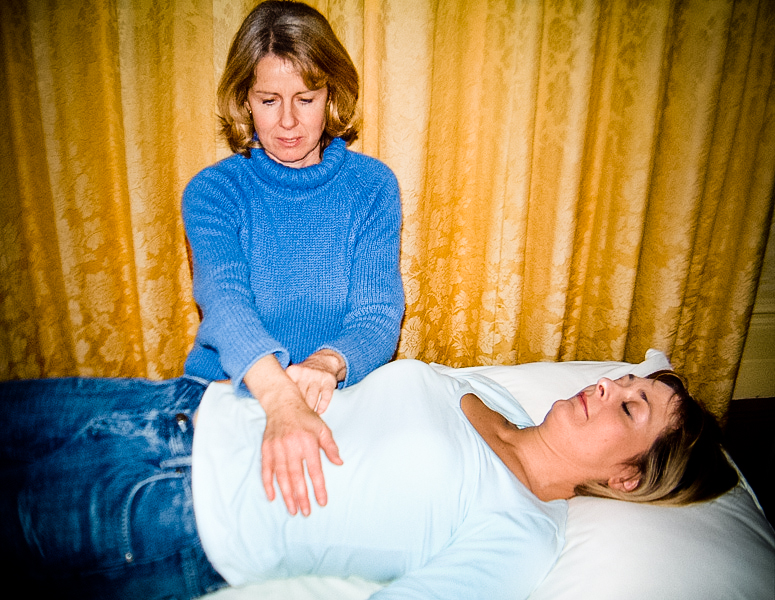
Reiki operates on the principle that a universal life force energy, known as 'ki' in Japanese (or 'qi' in Chinese, 'prana' in Sanskrit), flows through all living things. Practitioners believe that when this energy flow is disrupted or weakened, it leads to illness or distress. During a reiki session, the practitioner acts as a conduit, channeling this energy through their hands to the recipient. This is typically done by placing hands lightly on or hovering just above specific points on the body, following a set of traditional hand positions designed to cover the head, torso, and limbs. The process is intended to restore balance and harmony to the recipient's energy field, promoting deep relaxation and facilitating the body's natural healing processes, though the existence of such an energy field remains scientifically unverified.
📊 Key Facts & Numbers
Globally, an estimated 5 million people practice reiki, with over 1 million receiving treatments annually in the United States alone, according to various industry reports and surveys. The global reiki market was valued at approximately $1.2 billion in 2022 and is projected to grow at a compound annual growth rate (CAGR) of 8.5% from 2023 to 2030. In the UK, studies suggest that around 1.5% of the adult population has received reiki treatment, with a significant portion of these individuals reporting positive experiences. While precise numbers are difficult to ascertain due to the decentralized nature of reiki training and practice, the sheer volume of practitioners and clients points to a substantial, albeit often unquantified, cultural presence.
👥 Key People & Organizations
The foundational figure of reiki is Mikao Usui. His successor, Chujiro Hayashi, further systematized reiki practices and established the Hayashi Reiki Kenkyukai (Hayashi Reiki Research Society). Hawayo Takata was the primary figure responsible for bringing reiki to the West, establishing a lineage that became dominant in North America and Europe. Modern reiki organizations include the Reiki Alliance, the International Association of Reiki Professionals (IARP), and the Reiki Council International, which offer training, certification, and professional standards for practitioners worldwide.
🌍 Cultural Impact & Influence
Reiki's cultural footprint extends far beyond its practice, influencing perceptions of wellness, spirituality, and the body's innate healing capabilities. It has become a staple in many hospitals and hospice care settings, often offered as a complementary therapy to aid patients in managing stress, anxiety, and pain. The practice has also permeated popular culture, appearing in books, films, and online content, often depicted as a gentle, non-invasive healing modality. Its accessibility and perceived lack of side effects have contributed to its widespread adoption, even as its scientific validity remains a subject of debate, highlighting a cultural willingness to explore alternative approaches to health and well-being.
⚡ Current State & Latest Developments
In 2024, reiki continues to be a widely practiced form of energy healing, with a growing emphasis on professionalization and evidence-based approaches, albeit within its own framework. Organizations like the Reiki Council International are working to establish global standards for training and practice. Research continues, with some studies exploring reiki's potential effects on subjective well-being, stress reduction, and pain management, often published in journals focused on complementary and alternative medicine. The World Health Organization's inclusion of traditional and complementary medicine in its global health strategies also provides a backdrop for reiki's continued presence in healthcare discussions, even if its mechanisms remain outside mainstream scientific consensus.
🤔 Controversies & Debates
The most significant controversy surrounding reiki is its classification as a pseudoscience by the scientific community. Critics, including organizations like the National Center for Complementary and Integrative Health (NCCIH), point to a lack of robust, reproducible clinical trials demonstrating reiki's efficacy beyond a placebo effect. Claims of 'universal life force energy' are untestable with current scientific instruments, leading many researchers to dismiss reiki's theoretical underpinnings. Furthermore, concerns have been raised about 'fraudulent misrepresentation' in marketing reiki as a cure for serious medical conditions, which can potentially deter individuals from seeking conventional medical treatment. The debate often centers on whether reiki's benefits are attributable to the placebo effect, relaxation response, or an actual energetic intervention.
🔮 Future Outlook & Predictions
The future of reiki likely involves a continued bifurcation: one path focusing on its spiritual and personal development aspects, embraced by practitioners and adherents, and another seeking greater integration into conventional healthcare through more rigorous, albeit challenging, scientific validation. Future research may focus on identifying specific physiological markers associated with the relaxation response induced by reiki, rather than attempting to prove the existence of 'ki' itself. As interest in mind-body medicine grows, reiki may find a more established niche as a complementary therapy for stress reduction and symptom management, provided practitioners and researchers can navigate the persistent skepticism from the scientific establishment and avoid making unsubstantiated medical claims.
💡 Practical Applications
Reiki's primary practical application is as a complementary therapy aimed at promoting relaxation, reducing stress, and supporting general well-being. It is commonly used in settings such as wellness centers, spas, and private healing practices. Many individuals also practice reiki on themselves, family members, and pets for self-care and to foster a sense of calm. In some healthcare environments, reiki is offered to patients undergoing chemotherapy, recovering from surgery, or managing chronic pain, with the goal of alleviating anxiety and improving their subjective experience of care. It is also taught in various levels of training, from beginner to master practitioner, enabling individuals to become certified healers.
Key Facts
- Category
- vibes
- Type
- concept