
Contents
Overview
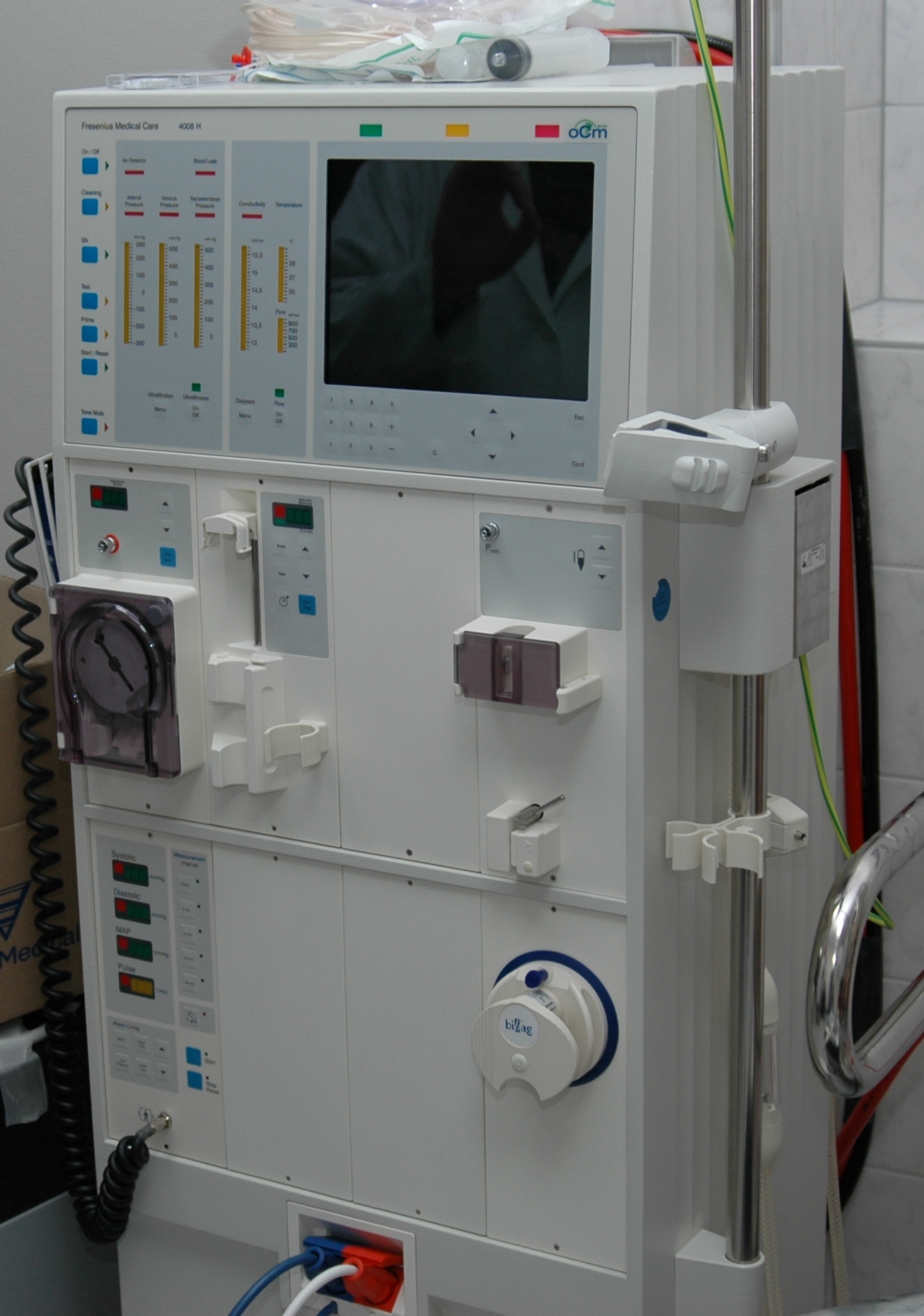
The understanding of kidney failure has evolved dramatically since ancient physicians first noted swelling and fluid imbalances. By the 17th century, physicians like Thomas Willis began to associate kidney disease with diabetes, a connection further solidified by Matthew Dobson in 1776. The 19th century saw significant strides, with Richard Bright's 1827 work linking kidney disease to albuminuria and edema, effectively naming Bright's disease. The development of nephrology as a distinct medical specialty in the 20th century, spurred by figures like Homer Smith and his seminal work on renal physiology, paved the way for understanding the complex filtration processes and the devastating consequences of their failure. The advent of hemodialysis in the 1940s by Willem Kolff marked a turning point, offering a lifeline for those with acute renal failure, while the first successful kidney transplant in 1954 between identical twins, facilitated by Joseph Murray, ushered in a new era for managing chronic kidney disease.
⚙️ How It Works
The kidneys, roughly the size of a fist, are sophisticated biological filters performing vital functions. Each kidney contains about a million nephrons, the functional units responsible for filtering blood. Blood enters the kidney via the renal artery and is processed through a network of tiny blood vessels called glomeruli. Here, water, salts, glucose, urea, and other waste products are filtered out of the blood to form glomerular filtrate. This filtrate then travels through renal tubules, where essential substances like glucose and most water are reabsorbed back into the bloodstream. The remaining waste, now concentrated into urine, is collected and expelled from the body. Renal failure occurs when this intricate process is compromised, either acutely due to sudden damage from toxins or severe dehydration, or chronically due to progressive damage from diseases like diabetes and high blood pressure. When kidney function drops below 15% of normal, waste products accumulate, leading to a life-threatening condition known as uremia.
📊 Key Facts & Numbers
The global prevalence of chronic kidney disease (CKD) is staggering, affecting an estimated 10% of the world's population, or approximately 850 million people, according to the World Health Organization. In the United States alone, over 37 million adults are estimated to have CKD, with nearly 800,000 living with end-stage renal disease (ESRD) requiring dialysis or transplantation. The economic toll is equally immense; Medicare spent over $37.4 billion on ESRD patients in 2021, accounting for about 6% of its total budget, despite ESRD patients representing only 1% of Medicare beneficiaries. Globally, kidney diseases are the 13th leading cause of death, but are projected to become the 5th leading cause by 2040. The number of people undergoing hemodialysis worldwide has surpassed 3 million, a figure that has doubled in the last decade. Kidney transplantation, while life-saving, faces significant challenges, with over 100,000 individuals on the waiting list in the U.S. alone, and a new person added to the list every 14 minutes.
👥 Key People & Organizations
Key figures in understanding and treating renal failure span centuries of medical advancement. Richard Bright (1789-1851) revolutionized the understanding of kidney disease in the early 19th century by linking kidney pathology to observable symptoms like edema and albuminuria. Homer Smith (1895-1962) was a pivotal figure in 20th-century nephrology, meticulously detailing renal physiology and the filtration mechanisms of the nephron. Willem Kolff (1911-2009), a Dutch physician, is credited with developing the first practical artificial kidney in 1943, a device that saved countless lives. Joseph Murray (1919-2012), a surgeon at Peter Bent Brigham Hospital, performed the first successful human kidney transplant in 1954, earning him a Nobel Prize. Organizations like the National Kidney Foundation (founded 1950) and the International Society of Nephrology (founded 1960) play crucial roles in research, advocacy, and education, driving progress in the field.
🌍 Cultural Impact & Influence
Renal failure has permeated cultural narratives, often serving as a stark symbol of bodily vulnerability and the limits of medical intervention. The arduous journey of patients undergoing hemodialysis has been depicted in literature and film, highlighting the physical and emotional toll, as well as the resilience of the human spirit. For instance, the character of Walter White in the television series Breaking Bad famously grapples with lung cancer and the specter of kidney failure, using his diagnosis as a catalyst for his descent into crime. Medical dramas frequently feature storylines involving kidney transplants or dialysis, underscoring the life-or-death stakes and the complex ethical considerations surrounding organ donation and allocation. Beyond dramatic portrayals, public health campaigns by organizations like the CDC aim to raise awareness about risk factors such as diabetes and high blood pressure, encouraging early detection and lifestyle changes to prevent the progression to renal failure. The very concept of "filtering" the body, central to kidney function, has also seeped into broader societal discussions about purification and detoxification.
⚡ Current State & Latest Developments
The landscape of renal failure management is in constant flux, driven by advancements in technology and a deeper understanding of disease pathways. In 2024, the focus remains on early detection and slowing CKD progression. Novel therapeutic targets are emerging, moving beyond traditional blood pressure and diabetes management. For instance, SGLT2 inhibitors, initially developed for diabetes, have shown remarkable benefits in protecting kidney function across various CKD etiologies, a development that has significantly altered treatment guidelines since their widespread adoption in the late 2010s. CRISPR gene editing holds promise for treating inherited kidney diseases like polycystic kidney disease, with early-stage clinical trials underway. Furthermore, the development of wearable or implantable artificial kidneys aims to liberate patients from traditional dialysis machines, offering greater mobility and potentially improved outcomes. Research into xenotransplantation (using genetically modified animal organs) is also gaining momentum, offering a potential solution to the organ donor shortage, with eGenesis Inc. and United Therapeutics making significant strides.
🤔 Controversies & Debates
The management of renal failure is not without its controversies and debates, particularly concerning treatment modalities and resource allocation. A persistent debate revolves around the optimal timing for initiating hemodialysis versus peritoneal dialysis, with each modality offering distinct advantages and disadvantages regarding lifestyle, cost, and patient outcomes. The allocation of scarce donor kidneys for kidney transplantation is another contentious issue, with ongoing discussions about prioritizing patients based on factors like time on dialysis, compatibility, and potential for long-term graft survival. Ethical considerations surrounding xenotransplantation are also prominent, with questions about animal welfare, the risk of zoonotic disease transmission, and the long-term efficacy and safety of transplanted animal organs. Furthermore, the significant financial burden of ESRD treatment, particularly in countries with universal healthcare systems like the [[United-Stat
Key Facts
- Category
- science
- Type
- topic