
Contents
Overview
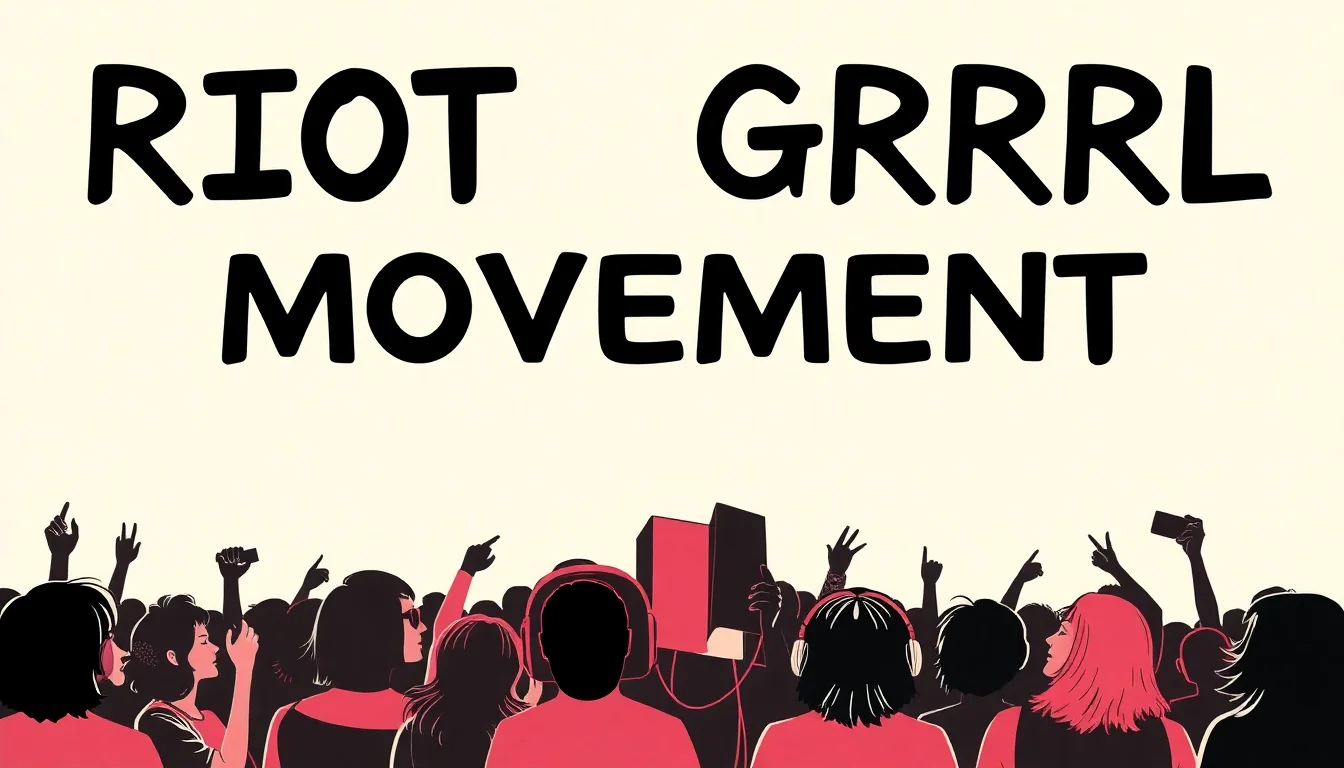
The seeds of Riot Grrrl were sown in the late 1980s and early 1990s, a period marked by a perceived stagnation in feminist discourse and a male-dominated punk scene. The Evergreen State College was a crucial incubator for the movement. Bands like Bikini Kill, formed in 1990 by Kathleen Hanna and Tobi Vail, alongside Bratmobile and Heavens to Betsy, began articulating a new, aggressive feminist stance. This wasn't just about music; it was about creating zines, organizing shows, and fostering a network of support. Riot Grrrl's DIY ethic was paramount, emphasizing self-publishing and independent distribution, a direct challenge to the commercial music industry. Riot Grrrl zines laid out the movement's core tenets, demanding a space for female anger and challenging patriarchal structures within punk and society at large.
⚙️ How It Works
Riot Grrrl operated on a decentralized, grassroots model, prioritizing DIY ethics and community building. Its 'how-to' was less about technical musicality and more about radical self-expression and political action. This involved creating and distributing zines—self-published magazines filled with personal essays, political commentary, poetry, and art—which served as vital communication tools and platforms for marginalized voices. Bands wrote lyrics that were confrontational, honest, and unapologetic, directly addressing issues of sexual assault, domestic violence, body image, and systemic oppression. Shows were often organized by women for women, creating safer spaces free from male harassment. The movement also encouraged political activism, with many participants involved in anti-war, anti-racist, and LGBTQ+ rights movements, weaving a complex tapestry of intersectional feminism.
📊 Key Facts & Numbers
The Riot Grrrl movement, while intentionally underground, left an indelible mark. While precise global reach is hard to quantify, Riot Grrrl networks were documented in at least 26 countries by the late 1990s. The influence of Riot Grrrl can be seen in the subsequent rise of third-wave feminism, which saw a 30% increase in feminist literature sales in the late 1990s, and in the continued existence of over 500 active feminist zines globally today.
👥 Key People & Organizations
Key figures in Riot Grrrl include Kathleen Hanna, the iconic frontwoman of Bikini Kill and Le Tigre, widely considered a central figure and spokesperson. Tobi Vail, also of Bikini Kill, was instrumental in articulating the movement's philosophy and promoting its zine culture. Other pivotal bands and individuals include Bratmobile (featuring Molly Neuman and Erin Smith), Heavens to Betsy (fronted by Corin Tucker), and Sleater-Kinney (which later featured Hanna and Tucker). Independent labels like Kill Rock Stars and Tiger Trap Records were crucial in releasing music and fostering the scene. The Riot Grrrl Archive at George Washington University now preserves many of the movement's historical documents.
🌍 Cultural Impact & Influence
Riot Grrrl's cultural impact is profound, extending far beyond the punk scene. It provided a template for third-wave feminism, injecting a much-needed dose of anger and directness into feminist discourse, influencing countless academics and activists. The movement's DIY culture and zine-making inspired a generation to create their own media and bypass traditional gatekeepers, a principle that resonates deeply with contemporary internet culture and the rise of social media platforms. Bands like Bikini Kill and Sleater-Kinney achieved significant critical acclaim and influenced numerous subsequent artists across indie rock and beyond. The concept of 'girl power,' while often commercialized, owes a debt to the raw, political empowerment championed by Riot Grrrl.
⚡ Current State & Latest Developments
While the initial wave of Riot Grrrl largely subsided by the late 1990s, its spirit endures and has seen resurgences. In the 2010s, a new generation of feminist punk and indie artists, often labeled as fourth-wave feminists, have embraced Riot Grrrl's ethos. Bands like Pussy Riot in Russia, and numerous smaller acts globally, continue to use music and activism to challenge oppressive systems. Online communities and digital zines have become the modern equivalent of the physical networks that defined the original movement, allowing for broader participation. The legacy is also kept alive through academic study, documentaries like 'The Punk Singer,' and ongoing exhibitions of Riot Grrrl ephemera, ensuring its continued relevance in contemporary feminist and punk dialogues.
🤔 Controversies & Debates
The Riot Grrrl movement has faced its share of controversies and criticisms. One significant debate centers on its perceived exclusivity; some critics argued that the movement, despite its feminist aims, could be exclusionary towards women of color and LGBTQ+ individuals, reflecting broader tensions within feminism. The commercialization of 'girl power' in the mid-to-late 1990s, often seen as a watered-down version of Riot Grrrl's radical politics, also drew criticism. Furthermore, the very definition of Riot Grrrl is contested: some argue it was a specific historical moment tied to certain bands and zines, while others see it as an ongoing ethos and practice that transcends specific artists or eras. The question of whether the movement truly achieved its goals of dismantling patriarchy or merely carved out a niche within it remains a point of discussion.
🔮 Future Outlook & Predictions
The future of Riot Grrrl's influence appears robust, particularly as global social and political landscapes continue to present challenges to feminist ideals. We can anticipate further cross-pollination between digital activism and music, with online platforms facilitating new forms of zine creation and community building. The intersectional aspects of feminism, which were a point of critique for the original movement, are likely to be even more central to contemporary and future iterations, fostering more inclusive spaces. Expect to see more artists drawing direct inspiration from the raw, unapologetic lyrical content and DIY ethos, potentially leading to new waves of politically charged music that challenges established norms in both the music industry and society. The ongoing dialogue around consent, reproductive rights, and gender equality ensures that the core messages of Riot Grrrl will remain relevant.
💡 Practical Applications
The principles of Riot Grrrl have practical applications far beyond the music scene. Its DIY ethos is a powerful model for grassroots organizing and community building, demonstrating how individuals can create their own platforms and networks without relying on established institutions. The emphasis on zine creation and self-publishing offers a tangible method for marginalized groups to share their stories and perspectives, a practice still vital in challenging dominant narratives. Furthermore, the creation of safer spaces at shows serves as a blueprint for designing inclusive and accessible events in various cultural spheres. The confrontational yet constructive approach to addressing social issues, particularly sexual violence and abuse, provides a framework for advocacy and support groups.
Key Facts
- Category
- movements
- Type
- topic