
Contents
- 🎵 Origins & History
- ⚙️ How It Works
- 📊 Key Facts & Numbers
- 👥 Key People & Organizations
- 🌍 Cultural Impact & Influence
- ⚡ Current State & Latest Developments
- 🤔 Controversies & Debates
- 🔮 Future Outlook & Predictions
- 💡 Practical Applications
- 📚 Related Topics & Deeper Reading
- Frequently Asked Questions
- References
- Related Topics
Overview
The genesis of Roman art is deeply intertwined with the cultural conquests and absorptions of the Roman Republic. Initially, Roman artistic production was heavily indebted to the sophisticated traditions of Etruscan art and, more significantly, Greek art, particularly after Rome's expansion into Magna Graecia and the Hellenistic East. The Romans, pragmatic and often militaristic, initially imported Greek artworks and artists, leading to a period of intense Hellenistic influence, evident in early Republican sculpture and architecture. However, by the late Republic and early Empire, a distinctly Roman artistic identity began to solidify. This was driven by a desire to celebrate Roman achievements, commemorate emperors and military victories, and project an image of stability and power across their burgeoning dominion. The construction of monumental public works like the Temple of Jupiter Optimus Maximus and the development of portraiture that emphasized individual likeness over idealized forms marked this crucial transition, laying the groundwork for the imperial artistic propaganda machine.
⚙️ How It Works
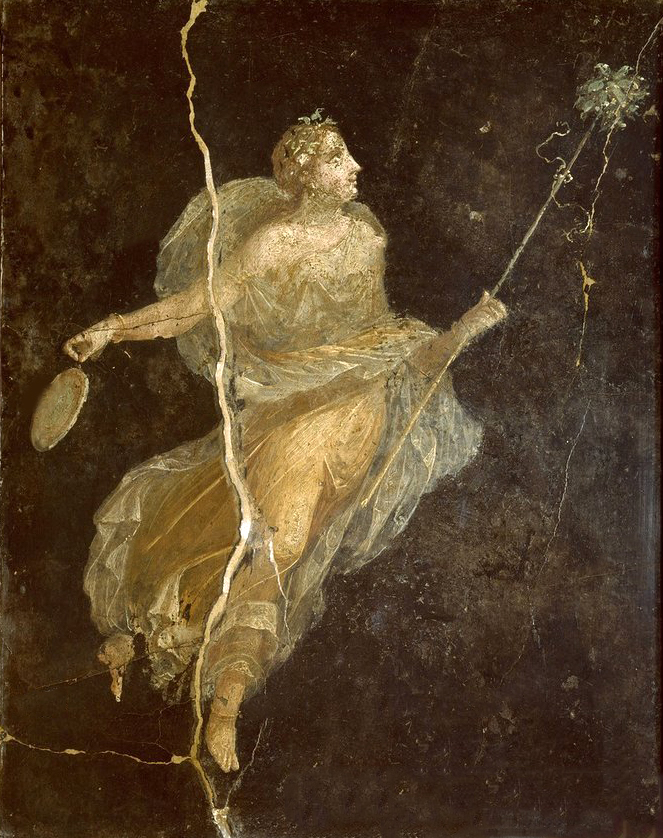
Roman art functioned as a powerful tool for communication and social cohesion across a vast, multi-ethnic empire. Architecture, from grand amphitheaters and temples to aqueducts and public baths, demonstrated Roman engineering prowess and provided essential civic infrastructure, reinforcing the state's authority and beneficence. Sculpture, especially portrait busts and narrative reliefs like those on the Column of Trajan, served to immortalize emperors, generals, and prominent citizens, while also documenting historical events and military campaigns for public consumption. Painting, though less preserved, adorned villas and public buildings with mythological scenes, landscapes, and genre depictions, offering glimpses into Roman daily life and aesthetic preferences. Mosaics, crafted from countless tiny tesserae, provided durable and vibrant decorative surfaces for floors and walls in both public and private spaces, showcasing intricate patterns and figural compositions. Even seemingly minor arts, such as Roman glassware and engraved gems, displayed remarkable technical skill and aesthetic sophistication, reflecting the widespread appreciation for finely crafted objects among the Roman elite.
📊 Key Facts & Numbers
Over 100,000 Roman sculptures are estimated to have survived, providing a rich corpus for study, though this represents a fraction of what was originally created. The Pantheon in Rome, completed around 126 AD, boasts the largest unreinforced concrete dome in the world, with a diameter of 43.3 meters (142 feet). The Flavian Amphitheatre in Rome could hold an estimated 50,000 to 80,000 spectators. Roman roads, stretching over 400,000 kilometers (250,000 miles) by the height of the Empire, were often lined with monumental arches and milestones. The city of Pompeii, preserved by the eruption of Mount Vesuvius in 79 AD, offers an unparalleled snapshot of Roman urban life, with thousands of surviving frescoes and mosaics. The estimated cost of constructing the Forum of Augustus in Rome, completed in 2 BC, would equate to billions of dollars in modern currency, reflecting the immense state investment in public art and architecture.
👥 Key People & Organizations
While Roman art was often a collective endeavor, certain individuals and institutions played pivotal roles. Emperors like Augustus and Trajan were instrumental patrons, commissioning vast architectural projects and artworks that defined their reigns and shaped the imperial image. Architects such as Vitruvius, whose treatise 'De Architectura' codified Roman building principles, provided theoretical underpinnings for the era's constructions. Sculptors, though often anonymous, produced works of immense skill; the equestrian statue of Marcus Aurelius is a rare surviving bronze from antiquity. The Roman Forum itself served as a central hub for public art and monumental architecture. Institutions like the Roman army were not only consumers but also disseminators of Roman artistic styles through their construction projects and the distribution of coinage bearing imperial portraits. The Vatican Museums and the British Museum today house some of the most significant collections of Roman art globally.
🌍 Cultural Impact & Influence
The influence of Roman art on subsequent Western civilization is immeasurable. The Renaissance saw a deliberate revival of classical forms, with artists like Michelangelo and Raphael meticulously studying Roman sculpture and architecture for inspiration, evident in works like the Michelangelo's David and the Sistine Chapel frescoes. Neoclassicism in the 18th and 19th centuries further embraced Roman aesthetics, shaping everything from government buildings in Washington D.C. to the designs of Napoleon Bonaparte's imperial propaganda. Roman innovations in engineering, particularly concrete construction and the arch, were foundational to architectural development for centuries. The Roman emphasis on portraiture and historical narrative profoundly influenced the development of Western painting and sculpture, establishing conventions that persisted for over a millennium. Even the concept of the public monument, designed to commemorate leaders and events, owes much to Roman precedents.
⚡ Current State & Latest Developments
In the 21st century, Roman art continues to be a vibrant field of study and a source of fascination. Ongoing archaeological excavations, such as those in Pompeii and Herculaneum, consistently unearth new insights and artifacts, challenging existing interpretations. Digital technologies are revolutionizing how we study and experience Roman art, with 3D reconstructions of ancient sites and virtual reality tours offering immersive perspectives. Museums worldwide are re-evaluating their collections, employing advanced scientific analysis to understand materials and techniques, and re-contextualizing Roman art within its broader imperial and global framework. The enduring appeal of Roman aesthetics is also visible in contemporary design, fashion, and even popular culture, demonstrating the persistent resonance of imperial grandeur and classical ideals.
🤔 Controversies & Debates
One of the most persistent debates surrounding Roman art concerns the degree of originality versus imitation. Critics often point to the heavy reliance on Greek models, questioning whether Roman artists truly forged a unique style or merely adapted existing forms for Roman purposes. The anonymity of many Roman artists also fuels discussion about the status of the artist in Roman society; while some were highly valued, many worked in workshops and were not celebrated as individual geniuses in the way later Renaissance artists would be. Furthermore, the interpretation of Roman art as purely propaganda is debated; while its political function is undeniable, the extent to which it also reflected genuine Roman values, beliefs, and aesthetic sensibilities remains a complex question. The ethical implications of displaying looted Roman artifacts in Western museums also represent a significant contemporary controversy, raising questions about repatriation and cultural heritage.
🔮 Future Outlook & Predictions
The future of Roman art studies is likely to be shaped by interdisciplinary approaches and technological advancements. Continued archaeological exploration, aided by remote sensing and AI-driven analysis, promises to uncover more of the material record. Scientific methods, such as pigment analysis and material sourcing, will offer deeper understanding of Roman techniques and trade networks. Digital humanities projects will continue to create accessible, interactive platforms for exploring Roman art, democratizing access to knowledge. Comparative studies, examining Roman art in relation to contemporary artistic traditions in Persia, India, and China, will likely reveal more about global artistic exchange in antiquity. We can anticipate new interpretations of Roman art's role in shaping identity, religion, and social practices, moving beyond purely stylistic or political analyses to a more holistic understanding of its function within Roman society.
💡 Practical Applications
Roman art's practical applications extend far beyond museum walls and academic discourse. Architectural principles, such as the use of the arch, vault, and dome, and the engineering feats demonstrated in aqueducts and roads, continue to inform modern civil engineering and urban planning. The Roman emphasis on civic monuments and public spaces has influenced the design of cities and memorials worldwide, from national capitals to local parks. Roman portraiture techniques, focused on capturing individual likeness and character, laid the groundwork for the development of Western portraiture in painting and sculpture. The narrative strategies employed in Roman reliefs, such as the continuous narrative on Trajan's Column, have found echoes in modern sequential art forms like comic books and film. Even the Roman concept of 'ars' (art) as encompassing skilled craft and technical mastery continues to resonate in discussions about artisanal production and design.
Key Facts
- Year
- c. 753 BC – 476 AD
- Origin
- Ancient Rome
- Category
- culture
- Type
- concept
Frequently Asked Questions
What are the defining characteristics of Roman art?
Roman art is characterized by its pragmatism, grandeur, and a strong emphasis on realism, particularly in portraiture. It absorbed influences from Greek and Etruscan predecessors but developed a distinct focus on celebrating Roman power, history, and civic life. Key features include monumental architecture like amphitheaters and temples, realistic portrait busts, narrative relief sculptures such as those on Trajan's Column, and extensive use of mosaics and frescoes. The Romans were also masters of engineering, integrating art with infrastructure like aqueducts and roads.
How did Greek art influence Roman art?
The influence of Greek art on Roman art was profound, especially after Rome's expansion into the Hellenistic East. Romans admired Greek aesthetics and techniques, importing Greek artworks and employing Greek artists. This led to the adoption of Greek sculptural styles, mythological subject matter, and architectural orders (Doric, Ionic, Corinthian). However, Romans adapted these influences to their own purposes, often emphasizing realism and narrative over Greek idealism, and applying them to themes of Roman history, military conquest, and imperial power, creating a unique synthesis.
What is the most significant surviving example of Roman art?
Pinpointing a single 'most significant' example is challenging due to the vastness and variety of Roman artistic output. However, the Pantheon in Rome stands as a monumental achievement in architecture and engineering, its massive dome a testament to Roman innovation. In sculpture, the equestrian statue of Marcus Aurelius is exceptionally important as a rare surviving large bronze, while the reliefs on Trajan's Column offer unparalleled historical and artistic documentation. The preserved cities of Pompeii and Herculaneum provide an unparalleled, albeit tragic, snapshot of everyday Roman art and life.
Was Roman art primarily about propaganda?
While propaganda was an undeniable and significant function of much Roman art, it's an oversimplification to say it was primarily about propaganda. Emperors and the state certainly used art to project power, legitimize rule, and commemorate victories, as seen in imperial portraits and triumphal arches. However, Roman art also served aesthetic, religious, and social purposes. Villas were decorated for personal enjoyment, temples for worship, and public baths for communal life. The art reflected Roman values, beliefs, and daily experiences, making it a complex reflection of society, not just a one-dimensional political tool.
How did Roman art differ from Greek art?
While heavily influenced by Greek art, Roman art distinguished itself through a greater emphasis on realism, particularly in portraiture, capturing individual likenesses rather than idealized forms. Romans were also more focused on historical narrative and civic commemoration, evident in their detailed relief sculptures documenting battles and triumphs. Architecturally, Romans excelled in engineering, pioneering the widespread use of concrete, the arch, and the dome to create larger, more complex structures like amphitheaters and vast public works, whereas Greek architecture prioritized proportion and temple design. Roman art often served a more overtly public and political function than its Greek predecessors.
Where can I see the best examples of Roman art today?
Exceptional collections of Roman art are housed in major museums worldwide. The Vatican Museums in Rome possess a vast array of Roman sculptures and artifacts. The Capitoline Museums, also in Rome, offer a deep dive into Roman history through art. Internationally, the British Museum in London has one of the most comprehensive collections outside Italy, including the Elgin Marbles (though Greek, they influenced Roman taste) and numerous Roman sculptures. The Louvre Museum in Paris and the Metropolitan Museum of Art in New York also feature significant Roman holdings, alongside the remarkably preserved sites of Pompeii and Herculaneum in Italy.
What is the future of Roman art research?
Future research in Roman art is expected to be driven by technological advancements and interdisciplinary collaboration. Digital humanities tools, including 3D scanning and virtual reality, will offer new ways to reconstruct and experience ancient sites and artworks. Scientific analysis, such as mass spectrometry for pigment analysis and XRF for material sourcing, will provide deeper insights into Roman techniques and trade. Comparative studies with art from contemporary civilizations in Persia, India, and China will illuminate global artistic exchanges. Expect a continued focus on understanding Roman art's role in constructing identity, religion, and social practices, moving beyond purely stylistic or political interpretations.