
Contents
- 🎵 Origins & History
- ⚙️ How It Worked: The Mechanics of Extermination
- 📊 Key Facts & Numbers
- 👥 Key People & Organizations
- 🌍 Cultural Impact & Influence
- ⚡ Current State & Latest Developments
- 🤔 Controversies & Debates
- 🔮 Future Outlook & Predictions
- 💡 Practical Applications (Justice & Remembrance)
- 📚 Related Topics & Deeper Reading
- References
Overview
The roots of the Rwandan Genocide are deeply embedded in colonial-era policies that solidified ethnic divisions between the Hutu majority and the Tutsi minority. Belgian colonizers favored the Tutsi, issuing identity cards that codified ethnicity and creating a system of privilege that bred resentment. The Hutu Revolution of 1959-1962 saw Hutu peasants rise up against Tutsi rule, leading to widespread violence and the exile of hundreds of thousands of Tutsi to neighboring countries, particularly Uganda. This created a diaspora that would later form the Rwandan Patriotic Front (RPF), a rebel group that launched an invasion in 1990, igniting the Rwandan Civil War. The assassination of Hutu President Juvénal Habyarimana on April 6, 1994, served as the immediate catalyst, with Hutu extremists blaming the RPF and using it as a pretext to launch their meticulously planned extermination campaign against the Tutsi population.
⚙️ How It Worked: The Mechanics of Extermination
The genocide was not a spontaneous outburst of violence but a systematically organized campaign of extermination. Hutu militias, primarily the Interahamwe and the Impuzamugambi, were armed and trained to carry out the killings. Roadblocks were established across the country, and identity cards were used to identify and target Tutsi individuals. The violence was characterized by extreme brutality, with machetes being the primary weapon, often wielded by neighbors against their former acquaintances. Radio Télévision Libre des Mille Collines (RTLM) played a crucial role in inciting hatred and broadcasting propaganda, dehumanizing the Tutsi and urging Hutu citizens to participate in the killings. The speed and scale of the slaughter, occurring over approximately 100 days, were facilitated by the pre-existing ethnic divisions and the government's complicity.
📊 Key Facts & Numbers
The Rwandan Genocide claimed an estimated 500,000 to 662,000 lives, though some figures cite over 1 million deaths. Between 250,000 and 500,000 women were subjected to systematic sexual violence, leading to widespread HIV/AIDS infection and unwanted pregnancies. Approximately 2 million Rwandans, predominantly Hutu, fled the country as refugees, fearing reprisal from the advancing RPF. The genocide lasted precisely 100 days, from April 7 to July 19, 1994. By the end of the conflict, the RPF had defeated the Hutu government forces and militias, taking control of the country. The economic impact was devastating, with an estimated 70% of the Tutsi population wiped out and the nation's infrastructure in ruins.
👥 Key People & Organizations
Key figures in the genocide include Juvénal Habyarimana, whose assassination triggered the killings, and Théoneste Bagosora, a retired army colonel widely considered the 'mastermind' of the genocide. Paul Kagame, then leader of the RPF, is credited with ending the genocide through military victory and later became President of Rwanda. International figures like Roméo Dallaire, the Force Commander of the United Nations Assistance Mission for Rwanda (UNAMIR), are remembered for their efforts to intervene despite a limited mandate and insufficient resources. Organizations such as the Interahamwe militia were the primary perpetrators on the ground, while Télévision Libre des Mille Collines (RTLM) served as a propaganda tool. The International Criminal Tribunal for Rwanda (ICTR) was established by the United Nations to prosecute those responsible for the genocide.
🌍 Cultural Impact & Influence
The Rwandan Genocide left an indelible scar on the global consciousness, highlighting the failure of the international community to intervene effectively. It spurred debates about genocide intervention and the responsibility to protect. In Rwanda, the genocide has profoundly shaped national identity and reconciliation efforts, with the government promoting a narrative of unity and remembrance. The Gacaca courts, a traditional form of community justice, were implemented to process the vast number of perpetrators, aiming for both accountability and reconciliation, though they remain a subject of debate. The artistic and literary output reflecting on the genocide, such as Imani Perry's work or Paul Rusesabagina's story, continues to explore themes of trauma, survival, and memory.
⚡ Current State & Latest Developments
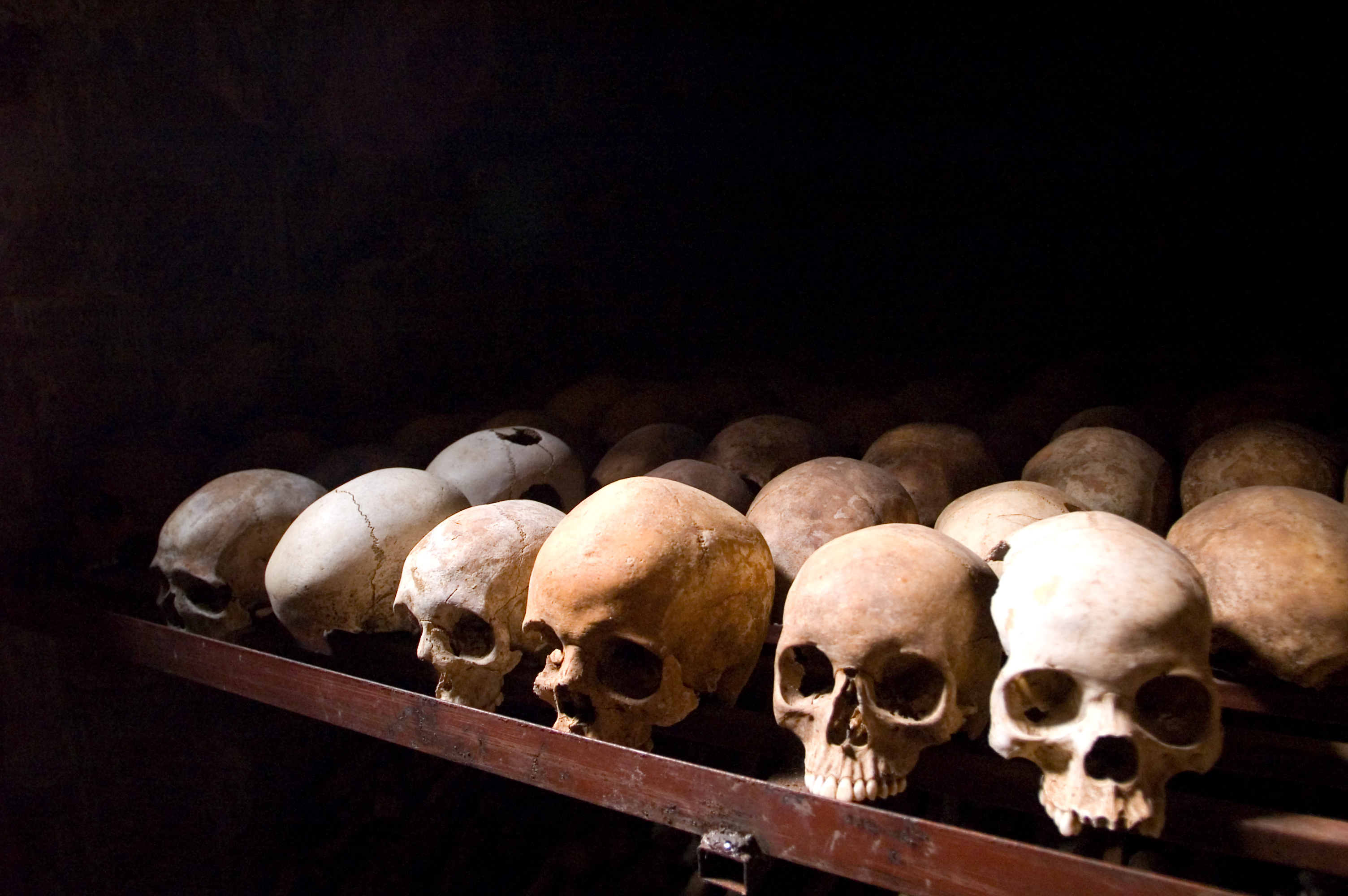
In the present day, Rwanda continues its path of recovery and development under President Paul Kagame. The country has made significant strides in economic growth and stability, though challenges related to reconciliation and the lingering trauma of the genocide persist. Commemorations of the genocide, known as Kwibuka, are held annually, serving as a vital reminder of the past and a commitment to preventing future atrocities. International efforts to bring remaining fugitives to justice continue, with some individuals still facing prosecution for their roles in the 1994 events. The Kigali Genocide Memorial Centre stands as a central hub for remembrance and education, attracting visitors from around the world.
🤔 Controversies & Debates
Significant controversies surround the Rwandan Genocide, particularly concerning the extent of international responsibility and the effectiveness of interventions. Critics argue that the United Nations Security Council and key member states, including the United States, failed to act decisively despite clear warnings. The role of France in supporting the Hutu government prior to and during the genocide is also a point of contention. Debates continue regarding the accuracy of death toll figures and the classification of certain events. Furthermore, the long-term impact of the Gacaca courts on justice and reconciliation remains a complex and debated topic, with some praising their role in processing cases and others criticizing potential miscarriages of justice.
🔮 Future Outlook & Predictions
The future outlook for Rwanda is one of continued focus on national unity, economic development, and preventing a recurrence of genocide. The government's emphasis on a unified Rwandan identity, transcending ethnic divisions, is a key strategy. International mechanisms for genocide prevention and response are continually being reviewed and strengthened, though the political will for intervention remains a critical factor. The ongoing work of genocide education programs globally aims to ensure that the lessons of Rwanda are not forgotten, fostering a commitment to human rights and accountability. The legacy of the genocide will continue to influence international law and humanitarian efforts for decades to come.
💡 Practical Applications (Justice & Remembrance)
The primary 'practical application' of understanding the Rwandan Genocide lies in the realm of genocide prevention and transitional justice. The establishment of the International Criminal Tribunal for Rwanda (ICTR) and subsequent international tribunals, like the International Criminal Court (ICC), were direct responses to the failures of 1994. Rwanda's own Gacaca courts, while controversial, represent an attempt at community-based reconciliation and accountability. Memorialization efforts, such as the Kigali Genocide Memorial Centre, serve as crucial educational tools, aiming to ensure that such atrocities are never repeated. Studying the genocide informs policy decisions regarding humanitarian intervention, conflict resolution, and the prosecution of war crimes.
Key Facts
- Category
- history
- Type
- event