
Contents
Overview
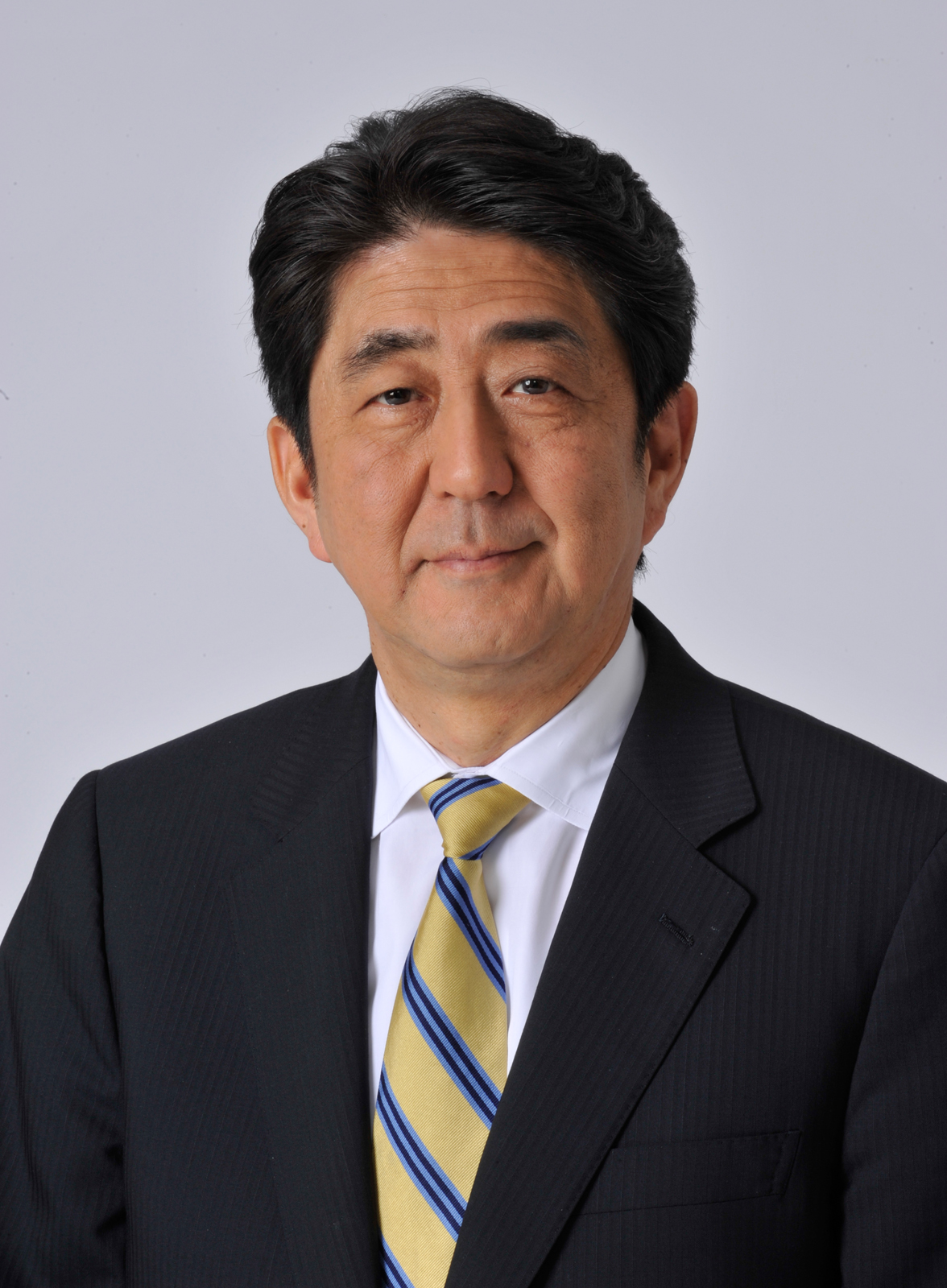
Shinzo Abe's political lineage was as formidable as his own career. Born on September 21, 1954, in Shinjuku, Tokyo, he hailed from the influential Satō–Kishi–Abe family. His father, Shintaro Abe, was a prominent LDP politician and former Foreign Minister, while his maternal grandfather, Nobusuke Kishi, served as Prime Minister. This deep-rooted political heritage provided Abe with an unparalleled foundation. After graduating from Seikei University with a degree in political science, he briefly worked at Kobe Steel before dedicating himself fully to politics. His election to the House of Representatives in 1993 marked the beginning of a meteoric rise within the Liberal Democratic Party (LDP), culminating in his first premiership in 2006.
⚙️ Abenomics: The Economic Engine
Abenomics, the economic revitalization strategy championed by Abe, became synonymous with his second tenure as prime minister. Launched in 2012, it was built upon three 'arrows': aggressive monetary easing by the Bank of Japan to combat deflation, increased government spending to stimulate demand, and structural reforms to boost Japan's long-term growth potential. While the first two arrows were implemented with vigor, the third arrow proved more challenging to execute, facing resistance from vested interests and bureaucratic inertia. Despite mixed results, Abenomics significantly altered the discourse around economic policy in Japan, pushing for greater flexibility and innovation, and is credited by supporters with lifting Japan out of prolonged stagnation and improving corporate profits.
📊 Key Facts & Numbers
Abe holds the distinction of being Japan's longest-serving prime minister, with a total of 3,188 days across his two terms. During his leadership, corporate profits reached record highs. His government oversaw a significant increase in defense spending, which rose by over 20% during his second term, reflecting his commitment to strengthening Japan's security capabilities. The LDP, under his leadership, secured landslide victories in the 2012 and 2017 general elections, demonstrating his immense political capital and the party's dominance. His administration also saw a record number of women appointed to cabinet positions, though the overall representation of women in the workforce remained a persistent challenge.
👥 Key People & Organizations
Shinzo Abe's political career was deeply intertwined with several key figures and organizations. His wife, Akie Abe, played a visible role as a supportive First Lady, often engaging in public diplomacy and advocating for social causes. Within the LDP, he navigated complex relationships with party elders and rivals, including former Prime Minister Junichiro Koizumi, under whom he served as Chief Cabinet Secretary. His foreign policy was heavily reliant on the crucial alliance with the United States, particularly during the presidencies of Barack Obama and Donald Trump. He also fostered closer ties with leaders like Narendra Modi of India and Scott Morrison of Australia, forming a strategic quadrilateral security dialogue. Abe was also associated with the ultranationalist organization Nippon Kaigi, a fact that fueled criticism from some quarters.
🌍 Cultural Impact & Influence
Abe's influence extended far beyond the borders of Japan, shaping global perceptions of the nation and its role in international affairs. His tenure saw Japan re-engage more assertively on the world stage, particularly in economic and security matters. He was a vocal proponent of the Trans-Pacific Partnership (TPP) trade agreement, even as the United States withdrew from it under President Donald Trump. Abe's efforts to revise Japan's post-war pacifist constitution, particularly Article 9, sparked intense debate both domestically and internationally, reflecting his desire for a more sovereign and militarily capable Japan. His image as a strong, pragmatic leader resonated with many, solidifying Japan's position as a key player in East Asian security and global economic governance.
⚡ Assassination and Legacy
The assassination of Shinzo Abe on July 8, 2022, during a campaign speech in Nara, stunned Japan and the world. The attack, carried out by a lone gunman reportedly motivated by grievances against the Unification Church and Abe's perceived ties to the organization, brought his extraordinary political journey to a tragic end. The event triggered widespread mourning and a national reckoning with gun violence in Japan, a country with exceptionally strict gun control laws. His death left a significant void in Japanese politics, prompting discussions about his enduring legacy, the future direction of the LDP, and the stability of Japan's foreign policy. The investigation into the assassination also brought renewed scrutiny to the relationship between politicians and certain religious organizations in Japan.
🤔 Controversies & Debates
Abe's political career was not without its controversies. His attempts to revise the constitution, particularly Article 9 which renounces war, were met with fierce opposition from pacifist groups and neighboring countries like China and South Korea, who viewed it as a potential step towards remilitarization. His government also faced criticism over alleged cronyism and cover-ups, notably the Moritomo Gakuen and Kake Gakuen scandals, which led to a dip in his approval ratings at one point. Furthermore, his historical revisionism, including his visits to the Yasukuni Shrine, which honors convicted war criminals, drew condemnation from international observers and strained relations with regional neighbors. The effectiveness and long-term impact of Abenomics also remain subjects of ongoing debate among economists.
🔮 Future Outlook & Predictions
The future trajectory of Japanese politics and foreign policy will undoubtedly be shaped by Abe's absence. His successor, Yoshihide Suga, and subsequent leaders like Fumio Kishida, have largely continued many of Abe's policy initiatives, particularly in foreign and security affairs. However, the absence of Abe's unique political acumen and deep relationships may lead to shifts in diplomatic approaches and domestic policy priorities. The debate over constitutional revision is likely to persist, though the path forward remains uncertain. Economically, the challenges of deflation and demographic decline that Abenomics sought to address continue to loom large, requiring innovative solutions beyond his established framework.
💡 Foreign Policy & Security
Abe's foreign policy was characterized by a proactive and strategic approach to diplomacy and security. He was a staunch advocate for strengthening the Japan-U.S. alliance, viewing it as the cornerstone of regional stability. Abe also championed the concept of a 'Free and Open Indo-Pacific,' a vision aimed at promoting maritime security, economic connectivity, and democratic values across the region, which gained significant traction among like-minded nations. He actively engaged in multilateral forums, including the G7 and United Nations, advocating for Japan's role as a responsible global power. His administration also worked to improve relations with India and Australia, forging strategic partnerships to counterbalance China's growing influence. Abe's commitment to a stronger, more independent Japanese defense posture was a defining feature of his premiership.
Key Facts
- Category
- person
- Type
- topic