
Contents
- 🎵 Origins & History
- ⚙️ How It Works
- 📊 Key Facts & Numbers
- 👥 Key People & Organizations
- 🌍 Cultural Impact & Influence
- ⚡ Current State & Latest Developments
- 🤔 Controversies & Debates
- 🔮 Future Outlook & Predictions
- 💡 Practical Applications
- 📚 Related Topics & Deeper Reading
- Frequently Asked Questions
- References
- Related Topics
Overview
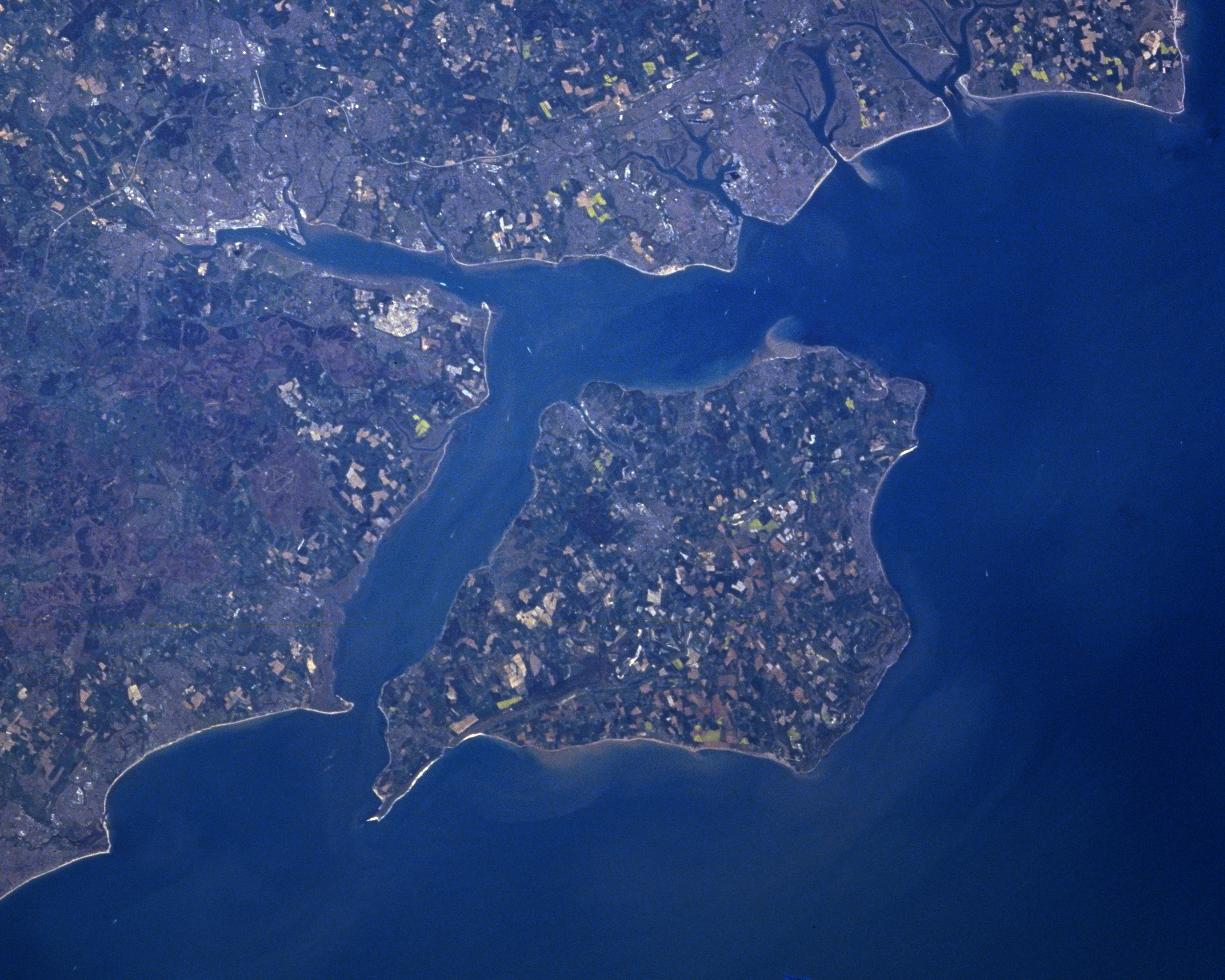
The geological formation of the Solent Strait is intrinsically linked to the post-glacial rise in sea levels, which inundated a former river valley approximately 8,000 years ago. Evidence suggests prehistoric human activity along its shores, with early settlements dating back to the Neolithic period. Roman presence is marked by archaeological finds, indicating its use as a navigable waterway. By the Anglo-Saxon period, its strategic value was evident, with fortifications beginning to appear. The medieval era saw the rise of Southampton and Portsmouth as significant ports, their development inextricably tied to the Solent's sheltered waters and tidal advantages. The Royal Navy's increasing reliance on these ports from the Tudor period onwards cemented the Solent's status as a paramount naval base, a role it maintained through centuries of conflict and expansion, notably during the Napoleonic Wars and the World Wars.
⚙️ How It Works
The Solent's functionality as a strait is dictated by its complex tidal dynamics, primarily driven by the interaction of tidal waves from the English Channel. The phenomenon of a 'double high tide,' where the water level remains high for an extended period, is a result of the incoming tide from the west meeting the tide entering from the east. This unique characteristic significantly aids navigation for large vessels, particularly at Southampton Port, by providing a longer window for cargo loading and unloading. The strait's varying width, from 2.5 to 5 miles, and the projection of Hurst Spit create specific navigational challenges and opportunities, requiring skilled piloting. The prevailing westerly winds and currents also influence maritime traffic, necessitating careful route planning for both commercial and recreational craft.
📊 Key Facts & Numbers
Spanning approximately 20 miles (32 kilometers) in length, the Solent Strait's width fluctuates between 2.5 and 5 miles (4 to 8 kilometers). The narrowest point, just over 1 mile (1.6 kilometers) wide, occurs between Hurst Castle and Colwell Bay, thanks to the projection of Hurst Spit. The strait's average depth ranges from 10 to 20 meters, with deeper channels accommodating larger vessels. Over 50,000 commercial vessel movements are recorded annually within the Solent's waters. The Isle of Wight's presence effectively shields the strait, contributing to calmer waters compared to the open English Channel. The annual Cowes Week sailing event attracts over 1,000 boats and 8,000 competitors, generating an estimated £30 million in economic impact for the region.
👥 Key People & Organizations
Key figures in the Solent's maritime history include naval commanders like Lord Nelson, whose fleet was based at Portsmouth, and figures associated with the development of Southampton as a major passenger port, such as Isambard Kingdom Brunel, whose ships like the SS Great Eastern were serviced there. Organizations such as the Royal Yacht Squadron, founded in 1815, and the Royal National Lifeboat Institution (RNLI) with multiple stations along the coast, play crucial roles in maritime safety and tradition. The Port of Southampton, operated by Associated British Ports, remains one of the UK's busiest ports, handling millions of tons of cargo and over 2 million passengers annually. The Isle of Wight Council and Hampshire County Council are the primary local authorities governing the shores.
🌍 Cultural Impact & Influence
The Solent has profoundly shaped British maritime identity and culture. Its role as a primary naval base for centuries fostered a deep connection between the strait and the Royal Navy, influencing naval strategy and shipbuilding. The annual Cowes Week is not merely a sporting event but a significant social gathering, attracting royalty and international sailing elite, reinforcing the Solent's reputation as a global yachting capital. The strait's visual prominence in art and literature, from maritime paintings to descriptions in novels, has further cemented its place in the national consciousness. The development of ferry services connecting the mainland to the Isle of Wight, such as Red Funnel, has made it a daily artery for thousands of commuters and tourists, integrating it into modern island life.
⚡ Current State & Latest Developments
In 2024, the Solent Strait continues to be a bustling maritime corridor. Southampton Port is undergoing significant investment to expand its cruise and container handling capabilities, aiming to solidify its position as a leading European hub. The Royal Navy maintains a strong presence, with HMNB Portsmouth serving as the homeport for the UK's carrier strike group. Efforts are underway to enhance marine conservation within the Solent Special Area of Conservation, addressing concerns over pollution and habitat degradation. The ongoing development of offshore wind farms in nearby waters, such as the Net Zero Teesside project, may indirectly impact shipping routes and environmental considerations within the strait.
🤔 Controversies & Debates
The Solent Strait is not without its controversies, primarily revolving around environmental impact and navigational safety. Increased shipping traffic, including large cruise ships and cargo vessels, raises concerns about pollution, wake damage to coastal habitats, and the potential for accidents. The proposed development of new infrastructure, such as expanded port facilities or potential bridge crossings, often sparks debate regarding their visual impact on the landscape and ecological consequences. Balancing the economic benefits of maritime trade and tourism with the need to protect the Solent's sensitive marine environment and maintain its aesthetic appeal remains a persistent challenge, often pitting commercial interests against conservationist groups and local residents.
🔮 Future Outlook & Predictions
The future of the Solent Strait is likely to be shaped by the global transition towards sustainable maritime practices and evolving geopolitical landscapes. Expect continued investment in green shipping technologies and infrastructure at Southampton Port, potentially including shore power facilities for cruise ships to reduce emissions. The Royal Navy's role may adapt to new defense priorities, potentially influencing the types of vessels utilizing the strait. Furthermore, the increasing frequency of extreme weather events due to climate change could necessitate adaptations in navigational protocols and coastal defenses. The ongoing debate over balancing development with conservation will undoubtedly continue, with potential for new regulatory frameworks to emerge.
💡 Practical Applications
The Solent Strait serves as a critical artery for numerous practical applications. It is the primary route for Southampton Port, one of the UK's largest ports, handling millions of tons of cargo annually, including vehicles, containers, and bulk commodities. It's a vital link for passenger ferries operated by companies like Red Funnel, connecting the Isle of Wight to the mainland for commuters and tourists. The strait is a major hub for the Royal Navy, with Portsmouth Naval Base hosting numerous warships. Recreationally, it's a world-class venue for yachting, hosting events like Cowes Week and serving as a training ground for aspiring sailors and marine professionals.
Key Facts
- Year
- c. 8000 BCE
- Origin
- United Kingdom
- Category
- place
- Type
- place
Frequently Asked Questions
What makes the Solent Strait's tides unique?
The Solent experiences a 'double high tide,' a phenomenon where the water level remains high for an extended period. This occurs because the incoming tide from the English Channel's western entrance meets the tide entering from the east, creating a prolonged period of high water. This unique tidal pattern is highly beneficial for large vessels, particularly at Southampton Port, as it extends the operational window for loading and unloading deep-draught ships.
Why is the Solent Strait so important for sailing?
The Solent is considered one of the world's premier sailing locations due to its sheltered waters, complex tidal streams, and consistent breezes. It hosts Cowes Week, one of the largest and most prestigious sailing regattas globally, attracting over 1,000 boats and 8,000 competitors annually. The presence of numerous yacht clubs, including the historic Royal Yacht Squadron, further cements its status as a global hub for yachting and marine recreation.
What are the main commercial activities in the Solent Strait?
The Solent Strait is a vital commercial waterway, primarily serving Southampton Port, one of the UK's busiest ports. It handles significant volumes of cargo, including automobiles, containers, and bulk goods, and is a major hub for cruise ship operations, welcoming millions of passengers each year. Additionally, ferry services operated by companies like Red Funnel provide essential transport links between the mainland and the Isle of Wight.
What historical significance does the Solent Strait hold?
Historically, the Solent has been a critical strategic location for the Royal Navy for centuries, with major naval bases at Portsmouth and Portsmouth Naval Base. Its sheltered waters and tidal advantages facilitated naval operations and shipbuilding. The development of Southampton as a major port, particularly for transatlantic passenger liners in the 20th century, also highlights its historical importance in global trade and travel.
What environmental concerns are associated with the Solent Strait?
The Solent faces several environmental challenges, including pollution from increased shipping traffic, potential damage to sensitive marine habitats from vessel wakes, and the impact of coastal development. Concerns also exist regarding the effects of dredging and the potential for accidental spills. Balancing the economic benefits of maritime activity with the need to protect the Solent's unique ecosystem, which is designated as a Special Area of Conservation, is an ongoing challenge.
How is the Solent Strait managed and regulated?
Management of the Solent Strait involves multiple authorities and organizations. The Port of Southampton is managed by Associated British Ports, which oversees commercial shipping. The Royal Navy manages its naval bases. The Solent Coastguard is responsible for maritime search and rescue. Local authorities like the Isle of Wight Council and Hampshire County Council manage coastal areas. Various environmental agencies also play a role in conservation efforts within the Special Area of Conservation.
What is the future outlook for maritime activity in the Solent Strait?
The future outlook for the Solent Strait involves continued growth in commercial shipping, particularly in the cruise and container sectors, with ongoing investments in port infrastructure. There's a strong push towards green shipping initiatives, including the adoption of cleaner fuels and shore power for vessels. Recreational sailing is expected to remain robust, though potentially subject to increased regulation. Environmental sustainability will be a key focus, with potential for new conservation measures and adaptation strategies for climate change impacts.