
Contents
Overview
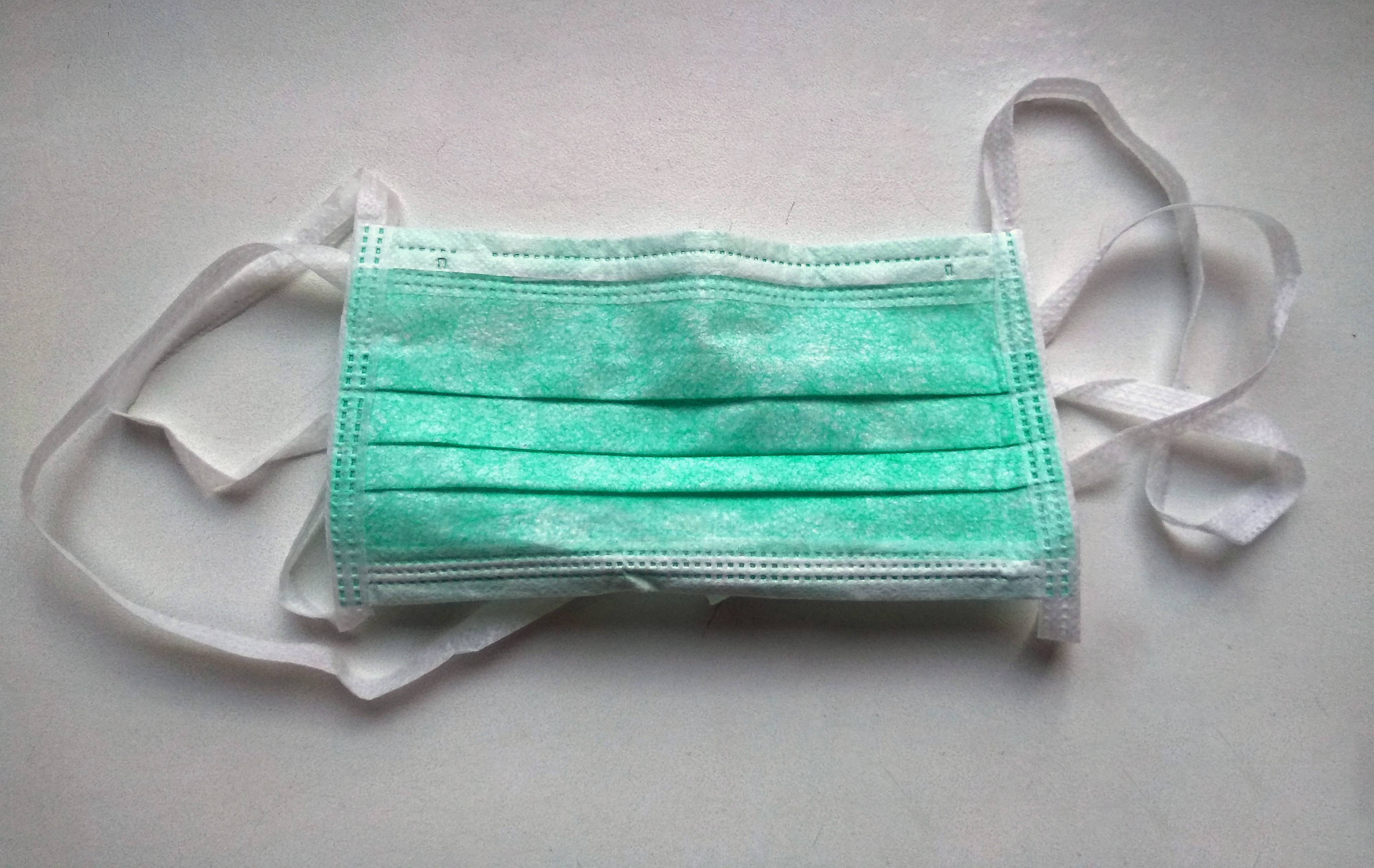
Surgical masks, often referred to as medical face masks or procedure masks, are a cornerstone of personal protective equipment (PPE). Their function is to mitigate the transmission of airborne pathogens and other contaminants via respiratory droplets expelled during actions like coughing, sneezing, or even talking. While effective in reducing the spread of disease between individuals, their typically loose fit means they offer only partial protection against airborne pathogens, distinguishing them from the more robust seal of filtering respirators like the N95 respirator. Developed from early concepts of germ theory and aseptic techniques, surgical masks have evolved significantly in material science and design, becoming indispensable tools in healthcare settings and, as demonstrated during the COVID-19 pandemic, a global symbol of public health measures.
🎵 Origins & History
The lineage of the surgical mask traces back to the late 19th century, a period marked by revolutionary advancements in understanding germ theory. Pioneers like Joseph Lister championed antiseptic surgery, laying the groundwork for sterile environments. Early masks were often simple gauze squares, a far cry from the multi-layered, fluid-resistant designs of today. The Spanish Flu pandemic of 1918 saw a surge in public use of masks, though their effectiveness and proper application were still subjects of debate and varied widely. The development of synthetic materials and standardized testing protocols in the latter half of the 20th century solidified the surgical mask's role in modern medicine and public health.
⚙️ How It Works
Surgical masks function primarily as a physical barrier, employing a multi-layered construction to filter airborne particles. The outermost layer is typically fluid-resistant, designed to repel splashes of blood or other bodily fluids. The middle layer, often made of melt-blown polypropylene, acts as the primary filter, trapping bacteria and larger particles. The innermost layer, in contact with the wearer's skin, is usually made of a non-woven material that absorbs moisture and is comfortable to wear. The effectiveness of a surgical mask hinges on both its material filtration capabilities and its fit. A proper seal around the nose and mouth is crucial to prevent air from bypassing the filter, a factor that differentiates them from the tighter-fitting N95 respirators and FFP2 masks.
📊 Key Facts & Numbers
Globally, the demand for surgical masks surged dramatically during the COVID-19 pandemic, with production skyrocketing. The Centers for Disease Control and Prevention (CDC) recommended universal masking in healthcare settings, leading to millions of masks being distributed daily. The average cost of a single surgical mask can range from $0.10 to $0.50, though prices fluctuated wildly during peak demand periods.
👥 Key People & Organizations
Key figures in the evolution of surgical masks include William Stewart Halsted, who championed their use in surgery at Johns Hopkins Hospital in the late 19th century. Early proponents of aseptic techniques like Joseph Lister and Ernst von Bergmann provided the theoretical underpinnings for sterile practices. In the modern era, organizations like the U.S. Food and Drug Administration (FDA) and the European Committee for Standardization (CEN) play critical roles in setting standards and approving mask designs. Major manufacturers such as 3M, Honeywell, and Kowa are significant players in the global supply chain, producing billions of masks annually. The World Health Organization (WHO) provides global guidance on their use.
🌍 Cultural Impact & Influence
Surgical masks have transcended their clinical origins to become potent cultural signifiers. During the COVID-19 pandemic, they transformed from a medical necessity into a visible symbol of solidarity, public health responsibility, and, for some, political identity. Their presence in media, from news reports to fictional portrayals, has normalized their appearance in everyday life. The act of wearing a mask became a daily ritual for billions, influencing fashion, social interactions, and even perceptions of trust and community. Conversely, mask mandates sparked widespread protests and debates, highlighting deep societal divisions and the complex relationship between individual liberty and collective well-being, as seen in movements like anti-mask protests.
⚡ Current State & Latest Developments
The post-pandemic landscape sees a recalibration of surgical mask production and distribution. While demand has stabilized from its 2020-2021 peak, it remains significantly higher than pre-pandemic levels, driven by ongoing public health awareness and continued use in healthcare settings. Innovations are focusing on enhanced filtration, improved breathability, and sustainability, with research into biodegradable materials and reusable mask technologies gaining traction. Regulatory bodies like the FDA continue to refine standards for mask efficacy and safety, ensuring that the market is flooded not only with options but with reliable ones. The integration of smart technologies into masks, such as sensors for monitoring wearer health or environmental conditions, is also an emerging area of development.
🤔 Controversies & Debates
The debate surrounding surgical masks is multifaceted. While their efficacy in reducing droplet transmission is scientifically supported, particularly in preventing a sick person from spreading germs, their effectiveness in protecting the wearer from inhaling airborne pathogens is often questioned due to their loose fit. This distinction has fueled controversy, especially when compared to the superior protection offered by N95 respirators or FFP2 masks. Public health messaging during the COVID-19 pandemic sometimes struggled to articulate these nuances, leading to confusion and skepticism. Ethical considerations also arise regarding equitable access to masks, the environmental impact of billions of disposable masks entering landfills, and the mandates that dictate their use, sparking debates about personal freedom versus public health imperatives.
🔮 Future Outlook & Predictions
The future of surgical masks will likely involve a blend of technological advancement and a greater emphasis on sustainability. Expect to see a rise in masks made from novel, eco-friendly materials, potentially including bioplastics or recycled textiles, designed to reduce environmental waste. Innovations in material science may lead to masks with superior filtration capabilities while maintaining or improving breathability, addressing a key user complaint. Furthermore, the integration of 'smart' features, such as embedded sensors to detect airborne pathogens or monitor vital signs, could transform the surgical mask from a passive barrier into an active health monitoring device. Regulatory frameworks will continue to evolve to keep pace with these advancements, ensuring both safety and efficacy in a rapidly changing market.
💡 Practical Applications
Surgical masks are indispensable in a wide array of practical applications beyond the operating room. They are standard personal protective equipment for dentists, veterinarians, and other healthcare professionals. In laboratory settings, they prevent contamination of samples and protect researchers from aerosols. The food service industry utilizes them to maintain hygiene standards, preventing respiratory droplets from contaminating food. During periods of high air pollution or wildfire smoke, disposable surgical masks offer a basic level of protection against particulate matter for the general public. Their widespread availability and ease of use make them a go-to option for basic respiratory protection in numerous everyday scenarios.
Key Facts
- Category
- technology
- Type
- topic