
Contents
Overview
The lineage of tandoori chicken stretches back centuries, with evidence suggesting early forms of spiced, oven-cooked meats in the ancient Indus Valley Civilization. The dish gained significant traction during the Mughal Empire, where elaborate cooking techniques flourished. The pivotal moment in its modern history arrived in the late 1940s, post-partition, when Kundan Lal Jaggi, Kundan Lal Gujral, and Thakur Dass of Moti Mahal restaurant in Delhi, India, began serving their signature tandoori chicken. They are credited with popularizing this specific preparation, transforming it from a traditional dish into a restaurant staple that would soon captivate palates far beyond India's borders. This post-war period saw a surge in Indian migration and culinary exchange, laying the groundwork for tandoori chicken's global ascent.
⚙️ How It Works
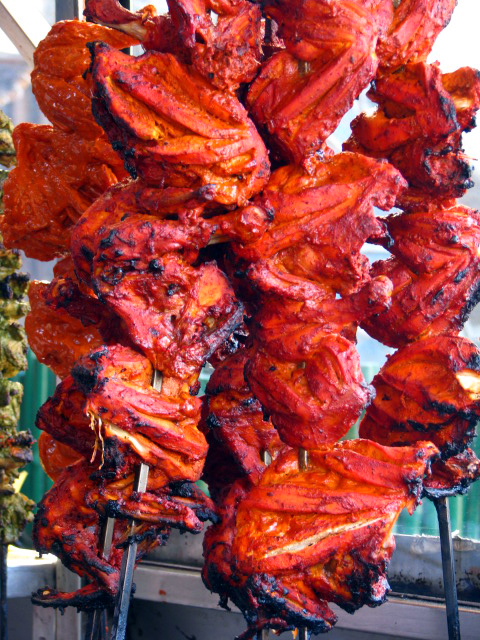
The magic of tandoori chicken lies in its preparation process, a symphony of marinades and high-heat cooking. Chicken pieces, typically bone-in cuts like legs and thighs for maximum flavor and moisture retention, are first coated in a potent marinade. This base usually includes thick yogurt, which tenderizes the meat and provides a medium for spices, along with a complex blend of ground spices such as cumin, coriander, ginger, garlic, garam masala, and turmeric. For its signature color and heat, paprika, cayenne pepper, or Kashmiri chili powder are essential. The chicken marinates for at least a few hours, ideally overnight, allowing the flavors to penetrate deeply. It is then skewered and placed vertically in a preheated tandoor, a cylindrical clay oven. The intense heat cooks the chicken rapidly, imparting a characteristic smoky char and succulent interior.
📊 Key Facts & Numbers
Tandoori chicken is a culinary powerhouse. The global market for Indian food, of which tandoori chicken is a significant component, is projected to reach $25 billion by 2027, growing at a compound annual growth rate of 7.5%. The spice blend can contain over 15 different ingredients, contributing to its complex flavor profile. The tandoor oven itself can reach temperatures exceeding 900°F (480°C), cooking the chicken in as little as 15 minutes.
👥 Key People & Organizations
The story of modern tandoori chicken is inextricably linked to the Moti Mahal restaurant in Delhi, founded by Kundan Lal Jaggi, Kundan Lal Gujral, and Thakur Dass. These three entrepreneurs are widely credited with popularizing the dish in the late 1940s and 1950s, establishing it as a signature offering that drew diners from across India and eventually the world. Their innovation was not just in the recipe but in the presentation and popularization of the tandoor as a cooking vessel for a wider audience. While many chefs and home cooks have since perfected their own versions, the legacy of Moti Mahal’s founders remains central to the dish’s narrative. The restaurant itself, which still operates, became a pilgrimage site for food lovers seeking authentic tandoori preparations.
🌍 Cultural Impact & Influence
Tandoori chicken's influence extends far beyond the dining table, permeating global food culture and inspiring countless culinary innovations. It became a gateway dish for many Westerners exploring South Asian cuisine, its familiar chicken format and bold flavors making it approachable. Its success paved the way for the widespread adoption of other tandoor-cooked items and Indian spices. The visual appeal of tandoori chicken—its vibrant red hue and charred edges—has also influenced food photography and presentation trends. Furthermore, the concept of marinating meats in yogurt and spices has been adapted into various fusion dishes and international cuisines, demonstrating a significant influence flow from Indian culinary traditions to global kitchens. The dish's ubiquity in Indian restaurants, from London to Los Angeles, solidifies its status as a cultural ambassador.
⚡ Current State & Latest Developments
In 2024, tandoori chicken remains a dominant force in the global culinary scene, a consistent bestseller in Indian restaurants and a popular choice for home cooks experimenting with ethnic flavors. Innovations continue, with chefs exploring new spice combinations and marinades, and adaptations for different cooking methods like oven-baking or grilling on stovetops. Plant-based versions, using ingredients like cauliflower or tofu marinated and cooked to mimic the tandoori style, are also gaining traction as vegetarian and vegan diets become more mainstream. The rise of food delivery platforms like Uber Eats and DoorDash has further increased accessibility, ensuring tandoori chicken reaches more tables than ever before. Discussions around sustainable sourcing of chicken and the environmental impact of traditional tandoor ovens also represent emerging developments.
🤔 Controversies & Debates
The primary debate surrounding tandoori chicken often centers on authenticity versus adaptation. Purists argue that true tandoori chicken can only be made in a traditional tandoor, lamenting the loss of smoky depth in oven-baked or grilled versions. Another point of contention is the coloring agent; while traditionally achieved with natural spices like Kashmiri chili, some commercial preparations may use artificial food colorings, leading to criticism from health-conscious consumers. The environmental impact of traditional tandoors, which rely on charcoal or wood and can contribute to air pollution in densely populated areas, is also a growing concern, prompting research into more sustainable cooking methods. Furthermore, discussions arise regarding the precise spice blend, with countless regional and family variations leading to differing opinions on the 'correct' flavor profile.
🔮 Future Outlook & Predictions
The future of tandoori chicken appears robust, driven by its enduring popularity and adaptability. We can anticipate further innovation in plant-based alternatives, potentially using advanced food science to replicate the texture and flavor profile more closely. The integration of smart kitchen technology might lead to more precise tandoor-like cooking in home ovens, democratizing the authentic experience. Expect to see more fusion applications, where tandoori chicken flavors are incorporated into sandwiches, salads, and even fusion pasta dishes. As global palates become more adventurous, there's also potential for exploring less common regional Indian spice blends within the tandoori chicken framework, offering new taste dimensions. The challenge will be balancing tradition with innovation, ensuring the dish retains its iconic status while appealing to evolving consumer preferences and sustainability concerns.
💡 Practical Applications
Tandoori chicken's primary application is as a beloved appetizer or main course in South Asian cuisine. Beyond restaurants, it's a popular dish for home cooking, often prepared in backyard grills or conventional ovens. It serves as a versatile ingredient, with shredded tandoori chicken being used in wraps, sandwiches, pizzas, and salads. Its distinctive flavor profile also lends itself to fusion dishes, appearing in tacos, quesadillas, and even as a topping for flatbreads. The marinade itself, or variations thereof, is frequently applied to other proteins like paneer (Indian cheese), fish, and vegetables, showcasing its broad applicability. It's also a common feature at parties and gatherings, valued for its vibrant presentation and crowd-pleasing taste.
Key Facts
- Category
- culture
- Type
- topic