
Contents
Overview
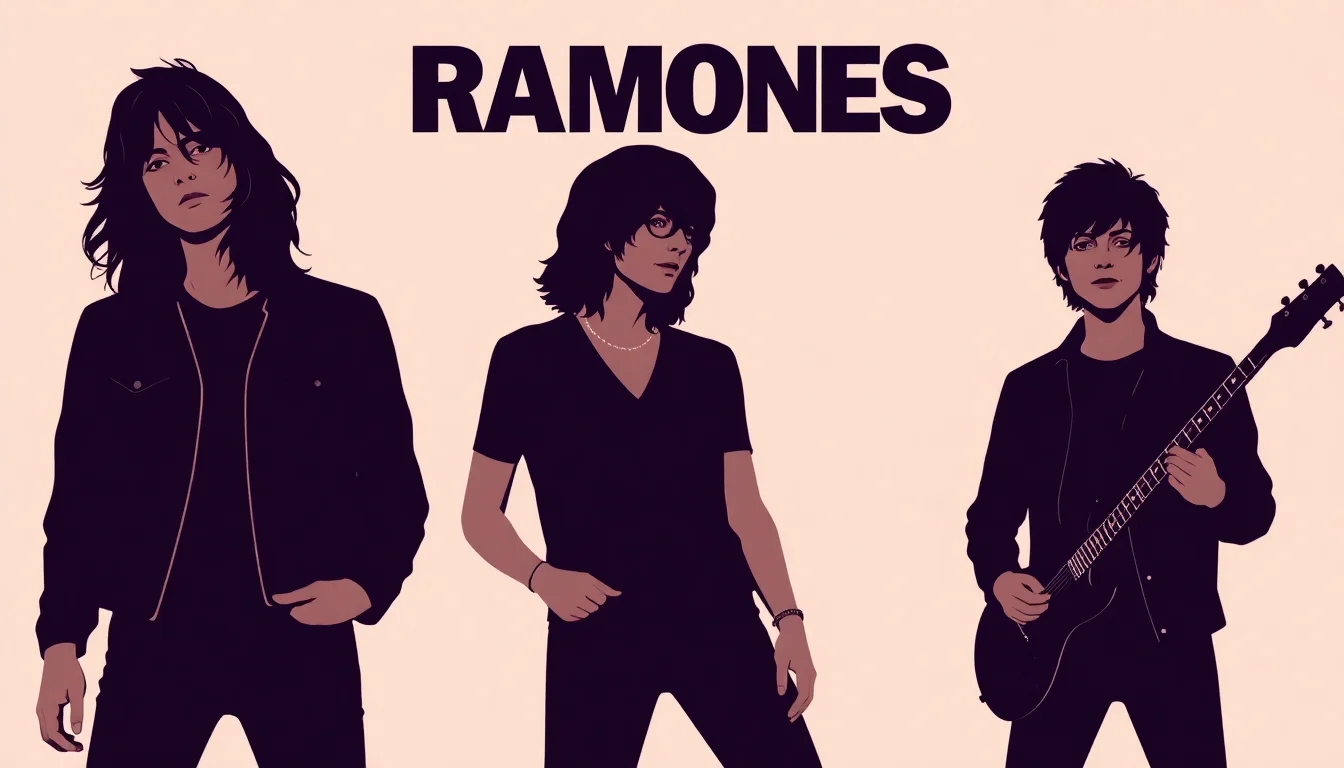
Formed in 1974, The Ramones pioneered punk rock with their fast songs, simple lyrics, and a sound that influenced countless bands. Their self-titled debut album, released in 1976, features classic tracks like 'Blitzkrieg Bop' and established their signature sound. The band's members included Joey Ramone, Johnny Ramone, Dee Dee Ramone, and Tommy Ramone, each contributing to their unique identity while embodying the spirit of the punk movement in New York City.
🎬 Behind the Scenes
The Ramones were formed in Forest Hills, Queens, and quickly garnered a following with their energetic performances and a distinctively stripped-down sound. Their influences ranged from The Beach Boys to The Velvet Underground, but they created a style that was uniquely theirs. The band's uniform of leather jackets and jeans became iconic, representing a rebellious attitude that resonated with youth across the globe.
📖 The Story
The band's music is characterized by short, fast-paced songs with catchy hooks and humorous lyrics. Their early albums, such as Rocket to Russia and Leave Home, solidified their status in the punk rock scene. Tracks like 'I Wanna Be Sedated' and 'Sheena Is a Punk Rocker' became anthems for a generation, showcasing not just their musical talent but also their ability to tap into the frustrations and desires of youth culture.
🏆 Reception & Impact
Despite never achieving massive commercial success, The Ramones received critical acclaim and influenced countless bands, from Green Day to Blink-182. They were inducted into the Rock and Roll Hall of Fame in 2002, highlighting their impact on music. Their legacy continues to resonate, as seen in documentaries like End of the Century and films featuring their music, such as The Wrestler.
✨ Legacy & Influence
The Ramones' influence extends beyond music, impacting fashion, art, and even film. Their stripped-down aesthetic and do-it-yourself approach inspired movements like grunge and pop-punk. Bands like The Clash and Sex Pistols not only drew inspiration from their sound but also their ethos of rebellion and nonconformity. The Ramones remain a benchmark in punk rock history, proving that simplicity and authenticity can leave a lasting mark.
Key Facts
- Year
- 1974-1996
- Origin
- United States
- Category
- videos
- Type
- youtube-creator
Frequently Asked Questions
What genre of music did The Ramones play?
They are primarily known for punk rock.
What was their most famous song?
'Blitzkrieg Bop' is often considered their signature track.
Did The Ramones win any major awards?
They were inducted into the Rock and Roll Hall of Fame in 2002.
Who were the original members of The Ramones?
The original lineup included Joey, Johnny, Dee Dee, and Tommy Ramone.
Are The Ramones still active?
No, the band disbanded in 1996, but their legacy continues.