
Contents
- 📍 The Thrill of the Hunt: What Exactly *Is* a Thrift Store?
- 🗺️ Navigating the Aisles: Who Should Be Shopping Here?
- 💰 The Price is Right (Usually): Understanding Value
- ⭐ The Vibe Check: Ratings and Reputation
- 🔍 Beyond the Bargain: The Deeper Impact
- 💡 Pro Tips for Peak Thrifting
- 🔄 What to Donate, What to Leave Behind
- 🚀 Getting Started: Your First Thrift Adventure
- Frequently Asked Questions
- Related Topics
Overview
Thrift stores are more than just discount shops; they are dynamic ecosystems of discarded goods, offering everything from vintage fashion and forgotten furniture to quirky collectibles and everyday essentials. Historically, they've served as vital economic engines for charities and a lifeline for budget-conscious consumers, while also fostering a subculture of treasure hunters and sustainability advocates. The thrill lies in the serendipity – the possibility of unearthing a rare gem or a perfectly functional item at a fraction of its original cost. However, the experience can be a gamble, with inventory constantly shifting and quality varying wildly. Understanding the ebb and flow of donations, the store's organizational logic (or lack thereof), and the unspoken etiquette of the hunt are key to maximizing your finds.
📍 The Thrill of the Hunt: What Exactly *Is* a Thrift Store?
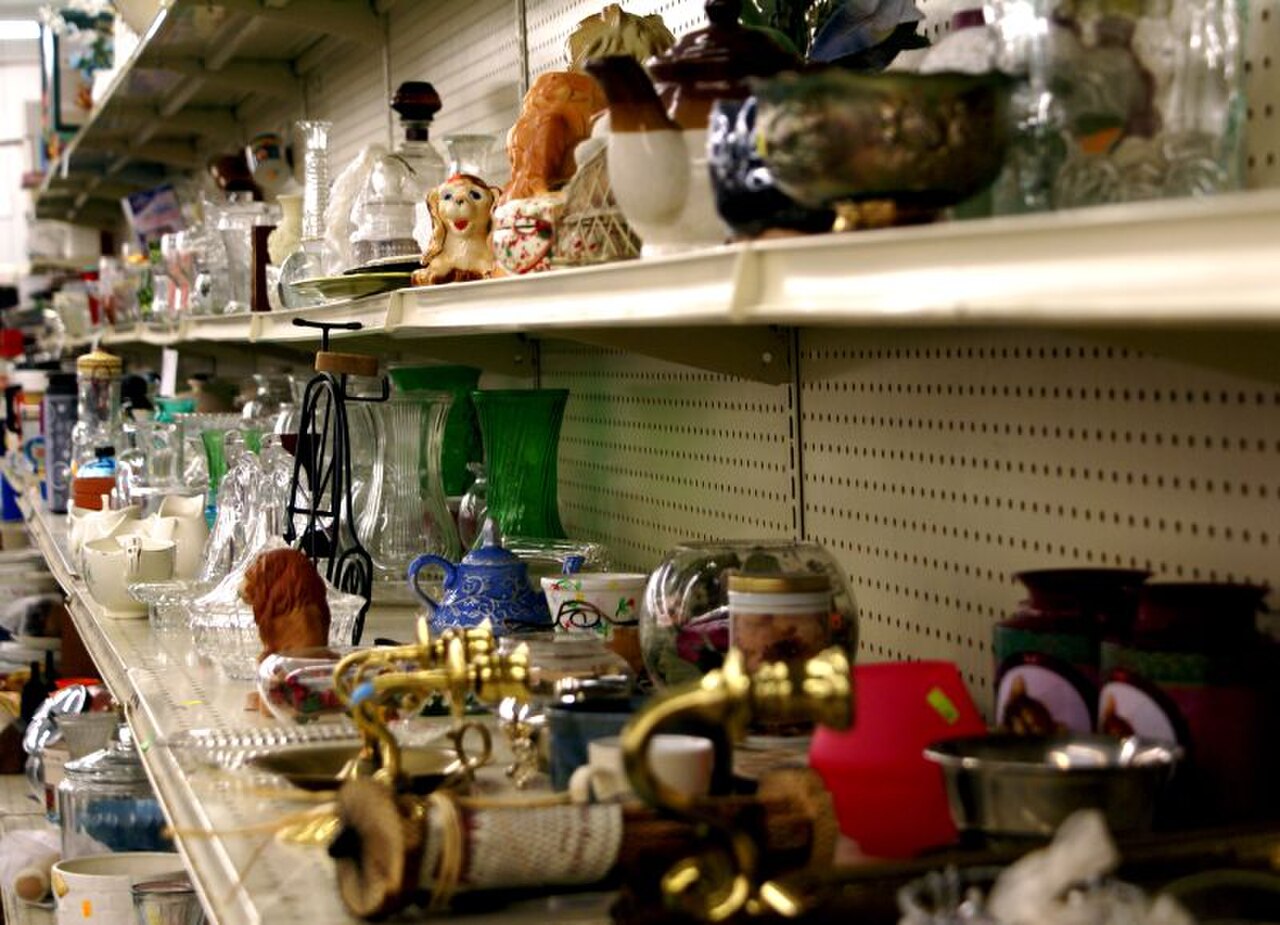
Thrift stores, often called charity shops or second-hand stores, are retail outposts where donated goods find new life. Think of them as curated bazaars powered by generosity and the promise of discovery. Unlike traditional retail, their inventory is a constantly shifting kaleidoscope of pre-loved clothing, forgotten books, quirky home decor, and sometimes, genuine treasures. These establishments are typically run by charitable organizations, with every purchase directly fueling their mission, whether it's supporting local animal shelters, funding medical research, or providing disaster relief. The appeal lies in the unpredictability; you never know what you'll find, making each visit a potential adventure in fashion and collectible hunting.
💰 The Price is Right (Usually): Understanding Value
Pricing in thrift stores is a fascinating blend of pragmatism and opportunity. Because the goods are donated, the primary cost is operational overhead. This allows for incredibly competitive prices, often pennies on the dollar compared to retail. You'll find racks of clothing for under $10, furniture for a song, and books for mere change. However, 'cheap' doesn't always mean 'low value.' A $5 vintage jacket could be a designer piece worth hundreds, and a $20 lamp might be a rare Art Deco find. Understanding item valuation is key, but the thrill is in the potential for exceptional value, making every purchase a calculated gamble with high potential rewards.
⭐ The Vibe Check: Ratings and Reputation
Thrift stores don't typically have formal rating systems like Yelp or Google Reviews, but they possess their own unique vibe scores (0-100) based on factors like inventory turnover, organization, cleanliness, and the general atmosphere. Some stores are meticulously organized, resembling small boutiques, while others are more chaotic, requiring a dedicated search. Customer satisfaction often hinges on managing expectations; you're not going to a department store. The 'rating' is more about the experience – the serendipity, the community feel, and the satisfaction of a good find. Look for local online forums or community groups for anecdotal reviews and tips on the best local spots.
🔍 Beyond the Bargain: The Deeper Impact
Beyond the immediate gratification of a bargain, thrift stores play a crucial role in the global economy and environmental sustainability. They divert millions of tons of textiles and goods from landfills annually, significantly reducing waste. By extending the lifespan of products, they lessen the demand for new manufacturing, which is often resource-intensive and polluting. Furthermore, the revenue generated directly supports vital charitable causes, creating a positive ripple effect in communities. Shopping at a thrift store is an act of conscious consumerism, aligning personal gain with broader social and environmental benefits.
💡 Pro Tips for Peak Thrifting
To maximize your thrift store success, go with a plan but remain open to serendipity. Visit during weekdays for fewer crowds and more time to browse. Wear comfortable shoes and be prepared to dig. Inspect items thoroughly for damage – stains, rips, missing buttons, or broken parts. Don't be afraid to try things on, even if there aren't fitting rooms; many shoppers use mirrors near the checkout. Familiarize yourself with brands known for quality and resale value. Finally, remember the purpose of donation – if you find something you love, buy it, as it might be gone tomorrow.
🔄 What to Donate, What to Leave Behind
When donating, ensure items are clean, in good repair, and genuinely useful. Clothing should be free of major stains, tears, or excessive wear. Furniture should be sturdy and free of significant damage. Books should be in readable condition, and toys should be complete and functional. Avoid donating broken electronics, heavily damaged items, or anything that would be unsellable. Most thrift stores have specific drop-off times and procedures; check their website or call ahead. Responsible donation ensures that the items you give can effectively support the charitable mission they are intended for.
🚀 Getting Started: Your First Thrift Adventure
Ready to embark on your thrifting journey? Start by identifying thrift stores in your local area. Many religious organizations and community centers operate their own. Check online maps or local directories for 'charity shops' or 'second-hand stores.' Plan your first visit during off-peak hours, perhaps a Tuesday or Wednesday morning. Bring a reusable bag, cash (some smaller stores may not accept cards), and an open mind. Explore the aisles, engage with the volunteers if you have questions, and enjoy the unique experience of finding treasures that tell a story. Your next great find is waiting just around the corner.
Key Facts
- Year
- 1940
- Origin
- The modern thrift store concept largely emerged from the charitable efforts of organizations like the Salvation Army and Goodwill in the early to mid-20th century, evolving from simple donation centers to complex retail operations.
- Category
- Retail & Consumerism
- Type
- Topic
Frequently Asked Questions
Are thrift stores always cheap?
While thrift stores are known for their low prices, 'cheap' doesn't always equate to low value. You can find incredibly valuable items for a fraction of their retail cost, especially designer clothing, rare books, or unique furniture. The pricing is driven by the donated nature of the goods and operational costs, not market value in the traditional sense. The real 'cheapness' is in the potential for exceptional value discovery.
How do I know if an item is worth buying?
This requires a bit of knowledge and intuition. For clothing, research brands known for quality and style. For furniture, check for solid construction and unique design elements. For collectibles, understand what makes an item rare or desirable. Inspect items for damage. Ultimately, if you love it and the price is right for you, it's worth buying, regardless of its potential resale value.
What's the difference between a thrift store and a consignment shop?
Thrift stores sell donated items, with proceeds going directly to a charity. Consignment shops sell items on behalf of individuals, taking a percentage of the sale price as commission. Thrift stores typically have lower prices and a more eclectic inventory, while consignment shops often have higher-end, curated selections and stricter quality control.
Can I negotiate prices at a thrift store?
Generally, no. Most thrift stores operate on a fixed-price model, especially larger chains. The prices are already significantly reduced due to the nature of the goods. While some very small, independent shops might be open to negotiation, it's not a common practice and should be approached with discretion.
What are the best days to go thrifting?
Weekdays, particularly mid-mornings or early afternoons, are often best. This is typically when stores have recently received new donations and before the weekend rush. Weekends can be crowded, but they also often feature new inventory. Check with your local store; some have specific 'restock' days.
Are all thrift stores run by charities?
No, not all. While the majority are run by charitable organizations (often called charity shops), some are privately owned businesses that specialize in second-hand goods. It's important to check the store's affiliation to understand where your money is going. Charitable thrift stores directly fund their respective causes.