
Contents
Overview
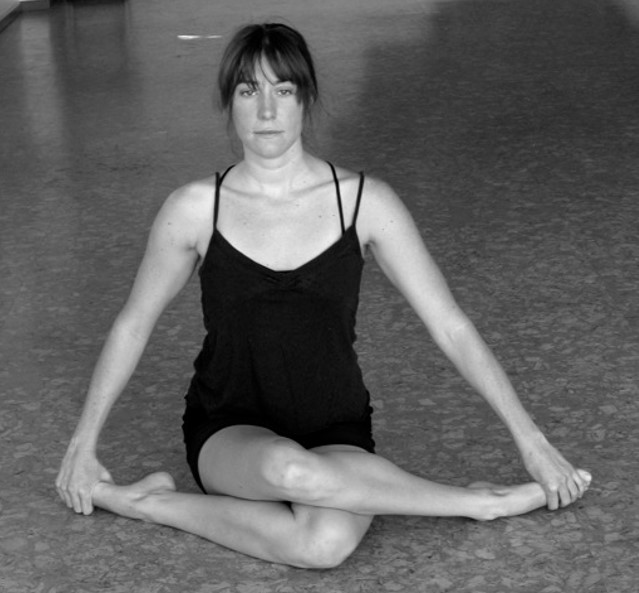
Yoga for flexibility is a practice that utilizes a variety of yoga postures to systematically increase the range of motion in joints and lengthen muscles. Far from being a singular style, it encompasses techniques from numerous yoga traditions, including Hatha, Vinyasa, and Yin Yoga. The core principle involves holding poses for sustained periods, allowing the body's connective tissues—fascia, ligaments, and tendons—to adapt and lengthen, thereby enhancing joint mobility and reducing stiffness. This practice is not merely about physical contortion; it's deeply intertwined with breath control (pranayama) and mindful awareness, aiming to cultivate a state of relaxed openness. Globally, millions engage in yoga specifically to improve flexibility, driven by benefits ranging from injury prevention and athletic performance enhancement to improved posture and stress reduction. The practice's accessibility means it's adapted for all ages and fitness levels, from beginner classes focusing on gentle stretches to advanced sequences challenging seasoned practitioners.
🎵 Origins & History
The pursuit of flexibility through movement practices has a long history. While the earliest yogic texts focused more on meditation and spiritual liberation, the physical postures (asanas) gradually evolved as a means to prepare the body for prolonged seated meditation. Over centuries, various schools and lineages developed distinct approaches to asana practice. Styles like Iyengar Yoga meticulously broke down poses to maximize their therapeutic and flexibility benefits, often using props like blocks and straps. Concurrently, Yin Yoga specifically targets deep connective tissues through long-held passive stretches, fundamentally altering the approach to flexibility training within the yoga sphere.
⚙️ How It Works
Yoga for flexibility operates by systematically stressing and then releasing the body's connective tissues and muscles. Unlike dynamic stretching, which involves bouncing or momentum, yoga often employs static and PNF (Proprioceptive Neuromuscular Facilitation) techniques. In Vinyasa or Ashtanga Yoga, sequences flow dynamically, building heat and preparing muscles for deeper stretches within the flow. In contrast, Yin Yoga targets the deeper fascia, ligaments, and joint capsules by holding poses passively, allowing gravity to do the work. This sustained pressure, combined with mindful breathing (pranayama), signals the nervous system to relax the targeted tissues, promoting gradual lengthening and increased joint range of motion. The practice also enhances proprioception, the body's awareness of its position in space, which is crucial for safe and effective stretching.
📊 Key Facts & Numbers
Globally, millions practice yoga, with a significant portion citing flexibility as a primary motivation. The global yoga market was valued at approximately $88.4 billion in 2021 and is projected to reach $110.4 billion by 2025, with flexibility-focused classes forming a substantial segment. Research published in the Journal of Strength and Conditioning Research has shown that static stretching, a core component of many flexibility-focused yoga practices, can improve flexibility by an average of 10-20%. A 2018 survey by the Yoga Journal found that 52% of practitioners reported improved flexibility as a key benefit, with 40% noting reduced muscle stiffness.
👥 Key People & Organizations
Key figures instrumental in shaping yoga for flexibility include B.K.S. Iyengar (1918-2014), whose meticulous approach to alignment and use of props revolutionized therapeutic yoga and flexibility training. Pattabhi Jois (1915-2009) popularized Ashtanga Yoga, a vigorous style that builds heat and flexibility through a set sequence of poses. Paulie Zink, a martial arts expert and Taoist yoga teacher, is credited with founding Yin Yoga in the late 1970s, emphasizing long-held passive stretches. Sarah Powers further developed and popularized Yin Yoga, integrating it with Buddhist philosophy and mindfulness. Contemporary instructors like Jennifer Aniston (though not a yoga teacher, her public advocacy for yoga has boosted its mainstream appeal) and organizations such as Yoga Journal and Yoga International play significant roles in disseminating information and promoting flexibility-focused practices worldwide.
🌍 Cultural Impact & Influence
Yoga's influence on flexibility training has permeated mainstream fitness culture, impacting athletic conditioning and physical therapy. Professional athletes across disciplines, from NFL players to Olympic athletes, now routinely incorporate yoga into their training regimens to enhance performance and prevent injuries. The widespread adoption of yoga for flexibility has also led to the development of specialized classes like "Yoga for Runners" or "Desk Yoga" aimed at counteracting the stiffness caused by sedentary lifestyles. Furthermore, the principles of mindful stretching and breathwork have been integrated into physical therapy protocols for rehabilitation and pain management, demonstrating yoga's profound impact beyond its spiritual origins. The aesthetic of the "bendy" yogi, while sometimes criticized, has also become a powerful visual metaphor for health and well-being in popular media.
⚡ Current State & Latest Developments
The current landscape of yoga for flexibility is characterized by diversification and specialization. Online platforms like Glo.com and Alo Moves offer thousands of classes specifically targeting flexibility, catering to diverse needs from beginner hip openers to advanced backbends. There's a growing trend towards "functional flexibility," which emphasizes mobility relevant to everyday movements and athletic performance, rather than extreme contortion. The integration of myofascial release techniques, often using foam rollers or massage balls alongside yoga poses, is also gaining traction. Furthermore, research into the neurological aspects of flexibility, exploring how the brain influences and controls muscle length and joint mobility, is informing new approaches to practice, moving beyond purely mechanical stretching.
🤔 Controversies & Debates
One significant debate revolves around the safety and efficacy of extreme flexibility. Critics argue that the pursuit of extreme ranges of motion, particularly in styles like Bikram Yoga or advanced Acroyoga, can lead to joint instability and injuries if not approached with proper technique and awareness. There's also a tension between the traditional, holistic goals of yoga and its modern commodification as a fitness trend focused solely on physical outcomes like flexibility. Some traditionalists lament the de-emphasis on meditation and philosophy in favor of asana-centric classes. Another point of contention is the appropriation of yoga by Western commercial interests, sometimes divorcing it from its cultural roots and leading to practices that prioritize aesthetics over substance.
🔮 Future Outlook & Predictions
The future of yoga for flexibility likely involves deeper integration with scientific research and technology. We can expect more personalized flexibility programs informed by biomechanics and wearable technology that tracks movement and recovery. The development of AI-powered yoga instructors offering real-time form correction and personalized pose recommendations is also on the horizon. Expect to see a continued blurring of lines between yoga, physical therapy, and athletic training, with yoga principles becoming even more embedded in mainstream health and wellness. There may also be a resurgence of interest in the more meditative and philosophical aspects of yoga as practitioners seek a more balanced approach beyond mere physical flexibility.
💡 Practical Applications
Yoga for flexibility has numerous practical applications. For athletes, it enhances performance by increasing power output and reducing the risk of muscle strains and tears. In rehabilitation settings, it aids recovery from injuries by restoring joint mobility and reducing scar tissue formation. For individuals wi
Key Facts
- Category
- culture
- Type
- topic