
Contents
- 🎵 Origins & History
- ⚙️ How It Works
- 📊 Key Facts & Numbers
- 👥 Key People & Organizations
- 🌍 Cultural Impact & Influence
- ⚡ Current State & Latest Developments
- 🤔 Controversies & Debates
- 🔮 Future Outlook & Predictions
- 💡 Practical Applications
- 📚 Related Topics & Deeper Reading
- Frequently Asked Questions
- Related Topics
Overview
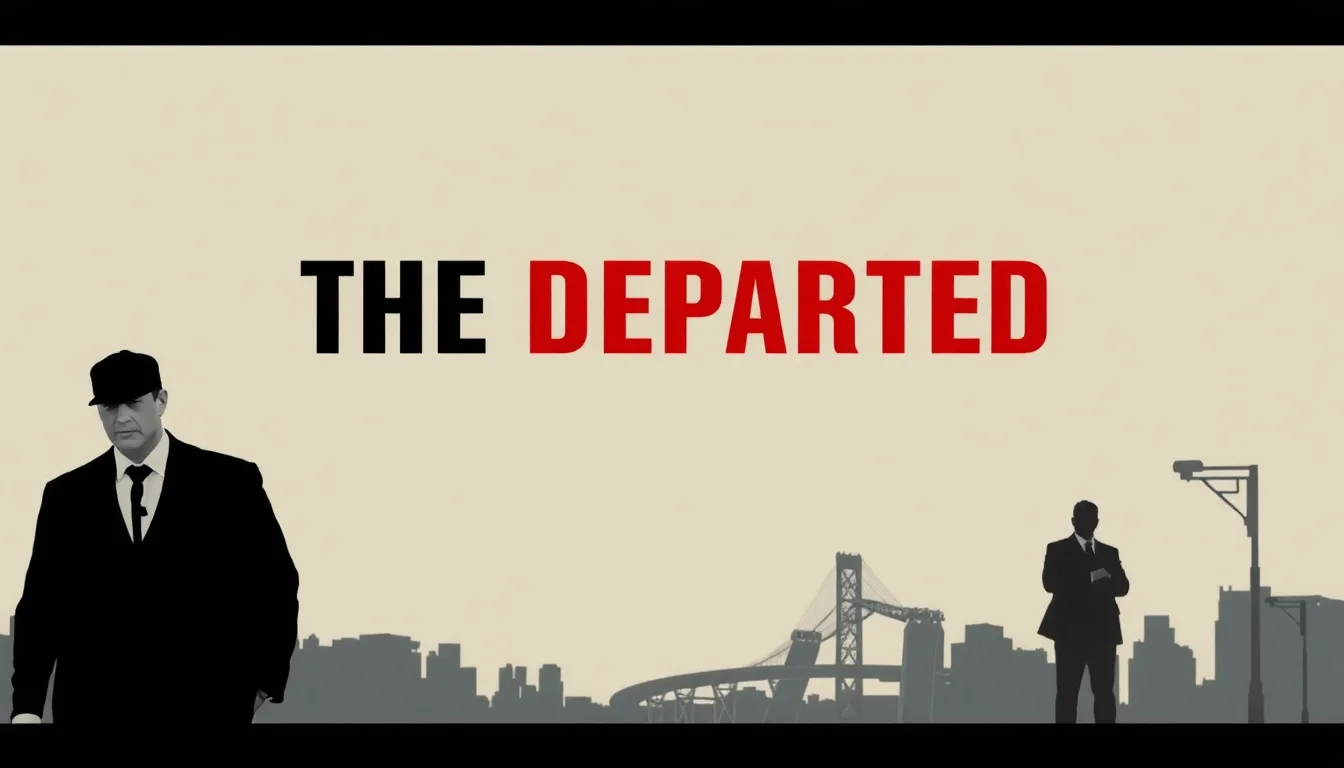
The genesis of The Departed lies not in original conception, but in a masterful reimagining. The 2002 Hong Kong film Infernal Affairs, directed by Andrew Lau and Alan Mak, provided the structural blueprint. Scorsese, initially hesitant to remake a foreign film, was convinced by the project's potential, particularly its thematic resonance with his own explorations of morality and identity. William Monahan penned the screenplay, adapting the intricate plot to the specific milieu of South Boston, drawing loose inspiration from real-life figures like the notorious Whitey Bulger and corrupt FBI agent John Connolly, figures deeply entrenched in the history of the Winter Hill Gang. The film's development saw a deliberate shift from Hong Kong's sleek urban setting to the gritty, working-class Irish-American neighborhoods of Boston, a choice that profoundly shaped its visual and thematic identity.
⚙️ How It Works
At its core, The Departed operates on a high-stakes game of cat and mouse, built upon the precarious foundation of deep cover. The narrative hinges on the parallel infiltration of two opposing forces: Billy Costigan, a state trooper with a troubled past, is tasked by Captain Queenan (Martin Sheen) and Staff Sergeant Dignam (Mark Wahlberg) to go deep undercover within Frank Costello's ruthless Irish mob. Simultaneously, Costello, a cunning and brutal crime lord, places Colin Sullivan, a promising young officer, within the Massachusetts State Police's Special Investigations Unit. Both moles are tasked with extracting information about the other's operation, creating a tense, symmetrical dynamic where discovery means certain death. The film meticulously details the psychological toll of living a lie, the constant paranoia, and the blurred lines between the identities they inhabit and the lives they are meant to protect.
📊 Key Facts & Numbers
The Departed achieved significant commercial and critical success, grossing $291.5 million against a production budget of $90 million. It secured a remarkable four Academy Awards out of five nominations, including Best Picture, Best Director for Martin Scorsese, Best Adapted Screenplay for William Monahan, and Best Film Editing for Thelma Schoonmaker. The film's ensemble cast was lauded, with Mark Wahlberg earning a Best Supporting Actor nomination for his abrasive portrayal of Staff Sergeant Dignam. The critical consensus was overwhelmingly positive, with Rotten Tomatoes reporting an 89% approval rating based on 260 reviews, and Metacritic assigning a score of 85 out of 100, indicating 'universal acclaim'.
👥 Key People & Organizations
The film's success is inextricably linked to its powerhouse cast and crew. Martin Scorsese, a titan of American cinema, directed with his signature visceral style, marking his first Best Director Oscar win. Leonardo DiCaprio delivered a career-defining performance as the tormented Billy Costigan, while Matt Damon portrayed the ambitious and conflicted Colin Sullivan. Jack Nicholson embodied the menacing Frank Costello with chilling charisma, and Mark Wahlberg's fiery performance as Dignam became a fan favorite. Behind the camera, William Monahan's sharp, profane screenplay earned him an Oscar, and editor Thelma Schoonmaker's kinetic pacing was crucial to the film's thrilling momentum. The Massachusetts State Police and the Boston Police Department provided logistical support, adding a layer of authenticity to the film's depiction of law enforcement.
🌍 Cultural Impact & Influence
The Departed left an indelible mark on the crime thriller genre, influencing countless subsequent films and television series with its intricate plotting and morally ambiguous characters. Its unflinching portrayal of corruption within law enforcement and organized crime resonated deeply with audiences and critics alike. The film's iconic dialogue, particularly Wahlberg's memorable rants, entered the cultural lexicon, and its gritty aesthetic became a benchmark for urban crime dramas. Its Best Picture Oscar win was particularly significant, marking a rare victory for a hard-R-rated crime film in a category often dominated by more conventional dramas, solidifying its place in cinematic history. The film's success also reignited interest in its predecessor, Infernal Affairs, introducing a wider global audience to its compelling narrative.
⚡ Current State & Latest Developments
While The Departed concluded its theatrical run in 2006, its legacy continues to be felt. The film remains a staple on streaming platforms and is frequently cited in discussions of modern crime cinema. Scorsese has occasionally hinted at potential spin-offs or sequels, though no concrete projects have materialized. The enduring popularity of the film's characters and themes suggests a continued interest in the world of South Boston's underworld and the complex morality of its inhabitants. Discussions about the film's impact and Scorsese's directorial prowess remain active within film criticism and academic circles.
🤔 Controversies & Debates
The primary controversy surrounding The Departed centers on its status as a remake. While widely praised for its own merits, some critics and cinephiles debated whether it surpassed or merely replicated the brilliance of Infernal Affairs. The film's depiction of Irish-American mobsters and its use of ethnic slurs also drew attention, though many defended it as an authentic reflection of the milieu depicted. Furthermore, the film's loose inspiration from real-life criminals like Whitey Bulger raised questions about the ethical boundaries of dramatizing contemporary criminal figures, particularly given Bulger's ongoing legal entanglements at the time of the film's release. The film's intense violence and profanity also placed it firmly in the R-rated category, sparking ongoing debates about censorship and artistic expression in mainstream cinema.
🔮 Future Outlook & Predictions
The future of The Departed likely lies in its continued influence rather than direct continuation. While Scorsese has expressed interest in revisiting the universe, the narrative felt remarkably self-contained, with several key characters meeting definitive ends. Any potential spin-off would likely need to explore new characters or delve deeper into the established lore, perhaps focusing on the broader network of corruption that Frank Costello represented or the lingering impact of the events on the surviving characters. The possibility of a television series adaptation, a common trend in modern media, remains a speculative but plausible avenue for expanding the narrative universe, allowing for a more in-depth exploration of the complex relationships and systemic corruption depicted.
💡 Practical Applications
The Departed serves as a potent case study in narrative structure, character development, and thematic exploration within the crime genre. Its intricate plot, featuring moles on both sides of the law, offers a blueprint for understanding the mechanics of undercover operations and the psychological pressures involved. The film's depiction of South Boston's criminal element and its entanglement with law enforcement provides a lens through which to examine real-world issues of organized crime, corruption, and the challenges of maintaining justice. For filmmakers and screenwriters, it stands as a masterclass in pacing, dialogue, and building suspense through character rather than mere action. Its success also highlights the viability of remaking foreign films with a distinct cultural adaptation.
Key Facts
- Year
- 2006
- Origin
- United States
- Category
- culture
- Type
- film
Frequently Asked Questions
What is the main plot of The Departed?
The Departed follows two parallel undercover operations in South Boston. State trooper Billy Costigan infiltrates the Irish mob led by Frank Costello, while Costello plants his own mole, Colin Sullivan, within the Massachusetts State Police. Both men are tasked with uncovering the other's identity, leading to a tense and violent game of deception with deadly consequences for both sides.
Who are the main actors in The Departed and who do they play?
The film features a star-studded cast. Leonardo DiCaprio plays the undercover trooper Billy Costigan, Matt Damon portrays the mob mole Colin Sullivan, and Jack Nicholson delivers a chilling performance as the ruthless mob boss Frank Costello. Mark Wahlberg plays the abrasive Staff Sergeant Dignam, and Martin Sheen is Captain Queenan, Costigan's superior.
What awards did The Departed win?
The Departed was a major awards contender, winning four Academy Awards: Best Picture, Best Director for Martin Scorsese, Best Adapted Screenplay for William Monahan, and Best Film Editing for Thelma Schoonmaker. It also received numerous other accolades, including the Amanda Award for Best Foreign Feature Film and the MTV Movie Award for Best Villain for Jack Nicholson.
Is The Departed based on a true story?
While not a direct biographical account, The Departed is loosely inspired by real-life figures and events in Boston's criminal underworld. The character of Frank Costello is loosely based on mob boss Whitey Bulger, and Colin Sullivan draws inspiration from corrupt FBI agent John Connolly, who was involved with Bulger's gang. The film captures the atmosphere and dynamics of the Winter Hill Gang's operations.
How does The Departed compare to its original film, Infernal Affairs?
The Departed is a remake of the 2002 Hong Kong film Infernal Affairs. While it follows the same core plot structure of moles on both sides of the law, Scorsese and screenwriter William Monahan adapted the story to the specific cultural and geographical context of South Boston. Many critics praise The Departed for its visceral energy and sharp dialogue, while others argue that Infernal Affairs possesses a more subtle and nuanced exploration of its themes. Both films are considered masterpieces in their own right.
What is the significance of the ending of The Departed?
The film's ending is notoriously abrupt and violent, with multiple key characters meeting their demise. The final scene sees Colin Sullivan, having survived the chaos, shot and killed by Sergeant Dignam. This brutal conclusion underscores the film's themes of inescapable fate, the corrosive nature of deceit, and the ultimate futility of Sullivan's ambition, leaving a lasting impact on the audience and reinforcing the film's dark tone.
What makes The Departed a classic crime film?
The Departed is considered a classic due to its masterful direction by Martin Scorsese, a sharp and compelling screenplay by William Monahan, and powerhouse performances from its ensemble cast, particularly Leonardo DiCaprio, Matt Damon, and Jack Nicholson. Its intricate plot, unflinching portrayal of violence and corruption, and exploration of moral ambiguity resonate deeply, making it a benchmark for modern crime thrillers and a significant achievement in cinematic storytelling.