
Contents
Overview
A tsunami is a series of ocean waves caused by the displacement of large volumes of water, often triggered by earthquakes, volcanic eruptions, or underwater explosions. These waves can have devastating effects on coastal communities, causing widespread destruction and loss of life. The study of tsunamis involves understanding the complex interactions between the ocean, the atmosphere, and the Earth's crust, as well as the role of National Oceanic and Atmospheric Administration (NOAA) and other organizations in monitoring and predicting these events.
🌊 Origins & History
The concept of a tsunami has been known for centuries, with the earliest recorded event dating back to 479 BC in Ancient Greece. The term 'tsunami' itself is derived from the Japanese words 'tsu' meaning 'harbour' and 'nami' meaning 'wave'. According to Japan Meteorological Agency, tsunamis can be triggered by a variety of events, including earthquakes, volcanic eruptions, and underwater explosions. For example, the 2011 Tohoku earthquake triggered a massive tsunami that caused widespread destruction in Japan.
⚙️ How It Works
Tsunami waves are distinct from normal ocean waves, which are generated by wind or tides. Instead, tsunamis are caused by the displacement of large volumes of water, often as a result of seismic activity. The United States Geological Survey (USGS) plays a crucial role in monitoring seismic activity and providing early warnings for potential tsunamis. The wavelength of a tsunami wave is typically much longer than that of a normal ocean wave, which can make it difficult to detect and predict. However, advances in technology, such as the use of deep learning algorithms and satellite imagery, have improved our ability to monitor and predict tsunamis.
🌍 Cultural Impact
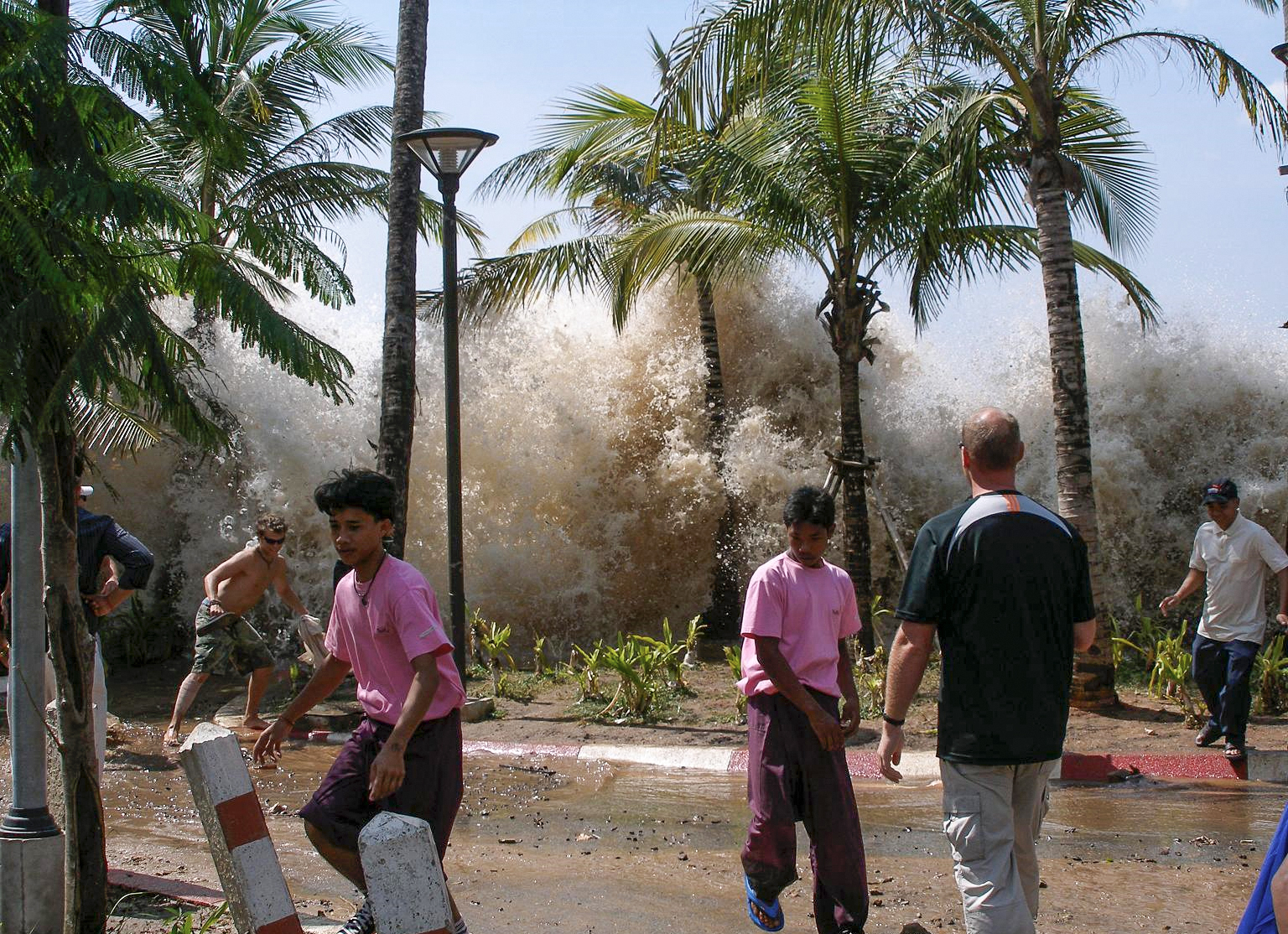
The cultural impact of tsunamis can be significant, with many coastal communities around the world vulnerable to these events. The Indian Ocean tsunami of 2004, which affected several countries including Thailand, Indonesia, and Sri Lanka, is a recent example of the devastating effects of a tsunami. The disaster led to a significant increase in awareness and preparedness, with organizations such as the International Federation of Red Cross and Red Crescent Societies playing a key role in disaster relief efforts. In addition, the development of early warning systems and disaster risk reduction strategies has become a major focus for many governments and organizations, including the United Nations.
🔮 Legacy & Future
The legacy of tsunamis is one of destruction and loss, but also of resilience and recovery. The study of tsunamis has led to significant advances in our understanding of the Earth's oceans and the complex interactions between the ocean, the atmosphere, and the Earth's crust. As we look to the future, it is clear that tsunamis will continue to pose a significant threat to coastal communities around the world. However, with continued advances in technology and our understanding of these events, we can work towards reducing the impact of tsunamis and saving lives. For example, the development of tsunami-resilient infrastructure and the implementation of evacuation plans can help to mitigate the effects of a tsunami.
Key Facts
- Year
- 2004
- Origin
- Japan
- Category
- nature
- Type
- phenomenon
Frequently Asked Questions
What is the difference between a tsunami and a normal ocean wave?
A tsunami is a series of ocean waves caused by the displacement of large volumes of water, often triggered by earthquakes, volcanic eruptions, or underwater explosions. Normal ocean waves, on the other hand, are generated by wind or tides. According to National Geographic, tsunamis can have wavelengths of up to 100 miles, which is much longer than normal ocean waves.
How can tsunamis be predicted?
Tsunamis can be predicted using a combination of seismic monitoring, ocean buoys, and satellite imagery. The Pacific Tsunami Warning Center plays a crucial role in monitoring seismic activity and providing early warnings for potential tsunamis. In addition, advances in technology, such as the use of machine learning algorithms, have improved our ability to predict tsunamis.
What are the cultural and economic impacts of tsunamis?
Tsunamis can have significant cultural and economic impacts on coastal communities, causing widespread destruction and loss of life. The World Bank has estimated that the economic impacts of tsunamis can be devastating, with the 2004 Indian Ocean tsunami causing over $10 billion in damages. In addition, tsunamis can also have significant cultural impacts, with many communities affected by these events experiencing long-term psychological trauma.
How can tsunamis be mitigated?
Tsunamis can be mitigated through a combination of early warning systems, evacuation plans, and tsunami-resilient infrastructure. The United Nations Office for Disaster Risk Reduction plays a crucial role in promoting disaster risk reduction and mitigation strategies. In addition, the development of tsunami evacuation routes and the implementation of emergency response plans can help to save lives and reduce the impact of tsunamis.
What is the role of climate change in increasing the frequency and severity of tsunamis?
The role of climate change in increasing the frequency and severity of tsunamis is still a topic of debate. However, some research suggests that climate change may be contributing to an increase in the frequency and severity of tsunamis, particularly in the Pacific Ocean. According to IPCC, climate change can lead to an increase in sea levels, which can exacerbate the impacts of tsunamis.